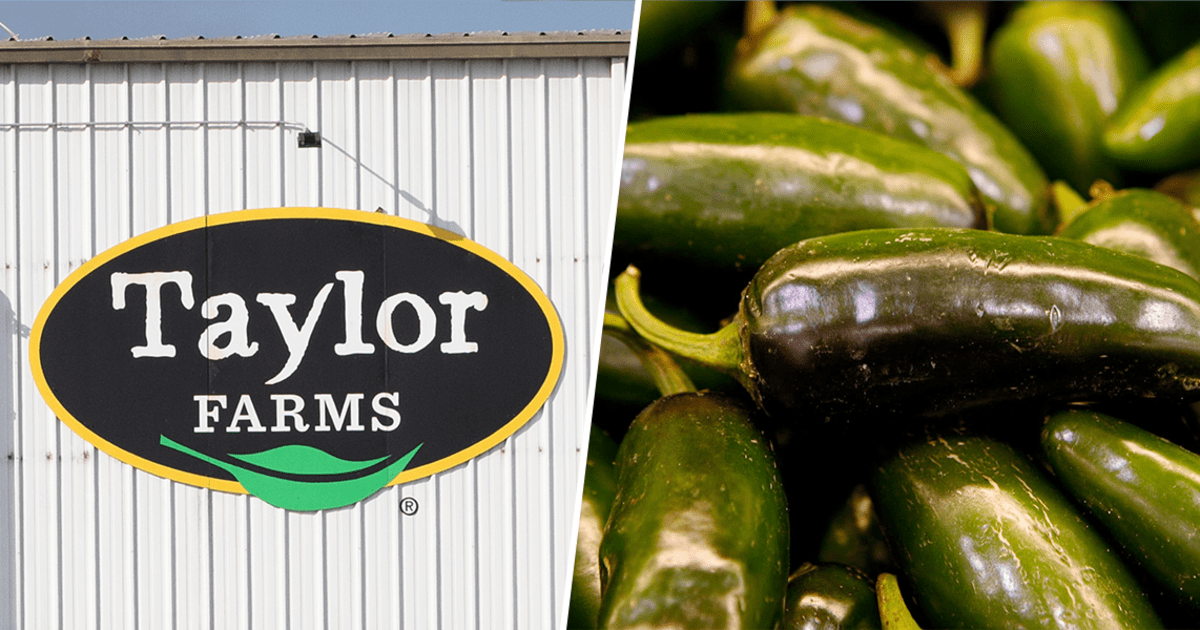
Taylor Farms recalls jalapeño salsa and guacamole over salmonella risk
Taylor Farms has issued a voluntary recall for over a dozen salsa and guacamole products distributed across 26 states following a multistate salmonella outbreak linked to Mexican jalapeños.

- Core Development: Taylor Farms has issued a voluntary recall for over a dozen salsa and guacamole products distributed across 26 states following a multistate salmonella outbreak linked to Mexican jalapeños.
- Beat Context: Categorized under Business with independent corroboration.
- Reporting Depth: 4 minute analytical read synthesized from verified newsroom sources.
On 8 August 2026 the California‑based supplier announced a voluntary recall of more than a dozen prepared foods that contain jalapeño peppers, including salsa and guacamole, after federal investigators linked fresh peppers from Sinaloa, Mexico, to a multistate salmonella outbreak. The move adds a fresh layer of uncertainty for shoppers at major grocery chains and for restaurants still pulling the same peppers from their menus.
The recall, which the company said it triggered after being notified that Coast Citrus Distributors was pulling the raw jalapeños, affects 20 distinct products sold through retailers such as Walmart, Kroger, Target, Whole Foods, Trader Joe’s, Hannaford and Stop & Shop. Distribution centers in 26 states – from Alabama to Wisconsin – have been instructed to remove the items from shelves.
Media additions
“Taylor Fresh Foods is no longer sourcing products from this farmer and will be filling orders from alternative suppliers,” the company explained in its FDA‑filed notice. The statement also emphasized that Taylor Farms was unaware of any illnesses directly tied to the recalled finished goods.
Why the recall matters now
The salmonella outbreak linked to the jalapeños has already sickened 345 people across 27 states and led to 36 hospitalizations, according to the CDC and the FDA. While the agency has not confirmed that the specific Taylor Farms products caused any of those cases, the traceback to the same pepper source has prompted a precautionary sweep of ready‑to‑eat items that incorporate the spice.
This precaution arrives on the heels of a separate, larger food‑borne crisis that has dominated headlines for weeks. In early July, a cyclospora parasite outbreak – later tied to iceberg lettuce supplied by Taylor Farms from central Mexico – was estimated to have affected roughly 20,000 people, resulted in hundreds of hospitalizations and claimed at least two lives. The lettuce saga has already dented consumer confidence in fresh produce and forced fast‑casual chains such as Sweetgreen, Chipotle and QDOBA to remove the implicated lettuce and jalapeños from their menus.
“The recalls have stoked fears of how consolidation in the food industry can raise the odds of outbreaks,” one analyst noted in a recent coverage piece, pointing to the ripple effect on earnings for salad‑focused restaurants.
What retailers and restaurants are doing
Major chains have responded in kind. Chipotle and QDOBA, both flagged earlier by the CDC for receiving jalapeños from Coast Citrus, have pulled the peppers from hundreds of outlets, while Taco Bell, the only national restaurant shown to be linked to the cyclospora outbreak, completed its own recall and is now promoting its refreshed product lines.
Retailers have been swift to communicate the recall through store signage and online alerts. Today reported that Walmart, Kroger, Target, Whole Foods, Trader Joe’s and Hannaford‑parent Ahold Delhaize did not immediately respond to a Reuters request for comment, underscoring the speed at which the notice has been circulated.
Consumer safety steps
Public health officials advise anyone who has one of the recalled items to either discard it or return it to the point of purchase for a refund. If the package has already been opened, consumers should clean and sanitize any surfaces or containers that came into contact with the food to prevent cross‑contamination.
The FDA list specifies that several products bear “Best If Used By” dates extending through 16 August 2026, meaning they could still be in home refrigerators. Shoppers are urged to verify the product name, UPC and best‑if‑used‑by date rather than assuming every version of a brand’s salsa or guacamole is affected.
Typical salmonella symptoms – diarrhea, fever and stomach cramps – can appear within hours to several days after exposure. The CDC advises seeking medical care for severe signs such as bloody diarrhea, a fever above 102 °F, persistent vomiting or signs of dehydration, especially among young children, older adults and those with weakened immune systems.
Timeline of key events
- 5 August 2026 – FDA reports that cyclospora testing on Taylor Farms lettuce is inconclusive, but the company voluntarily suspends iceberg lettuce sourcing from central Mexico.
- 9 August 2026 – Taylor Farms announces recall of 20 jalapeño‑containing products after Coast Citrus begins recalling the peppers.
- 10 August 2026 – Major retailers receive recall notices; news outlets publish details of the recall and the broader salmonella outbreak.
- Mid‑August 2026 – Ongoing investigations by CDC and FDA continue; restaurants adjust menus and supply chains in response.
What to watch next
Regulators have said the investigation remains active, and officials warned that the true number of salmonella cases could rise as more people seek testing. The next steps to monitor include:
- Any additional product categories added to the recall, especially if further testing of the jalapeño supply chain reveals contamination.
- Updates from the CDC or FDA on whether the 345 illnesses are definitively linked to the recalled finished foods.
- Potential legal actions or settlements stemming from the cyclospora and salmonella outbreaks, which could affect Taylor Farms’ supply agreements.
- Changes in retail sourcing policies, as grocers may demand more transparent traceback for fresh produce.
For a broader look at how this recall fits into the ongoing challenges facing fresh‑produce distributors, see our Business coverage. The coming weeks will reveal whether the precautionary sweep restores consumer confidence or if further alerts emerge from the same supply chain.
How significant is this development?
Contribute your assessment to the aggregated reader sentiment ledger.
Frequently Asked Questions
Key questions answered in this reportWhat is the key development in: Taylor Farms recalls jalapeño salsa and guacamole over salmonella risk?
Taylor Farms has issued a voluntary recall for over a dozen salsa and guacamole products distributed across 26 states following a multistate salmonella outbreak linked to Mexican jalapeños.
Why is this Business development significant for the UK?
This report covers critical events in our Business beat. Independent reporting monitors related UK statements, regulatory shifts, and public responses as further verified details emerge.
How was this reporting corroborated and verified?
Newsarchy UK compiles and cross-references reporting from primary reporting from ibtimes.sg and cross-checked wire reports. All coverage adheres to published editorial standards.
When was this report published?
This briefing was published on August 10, 2026 and is permanently cataloged in the Newsarchy UK Business archives.