Andy Burnham pledges £340m to end long-term rough sleeping as first policy
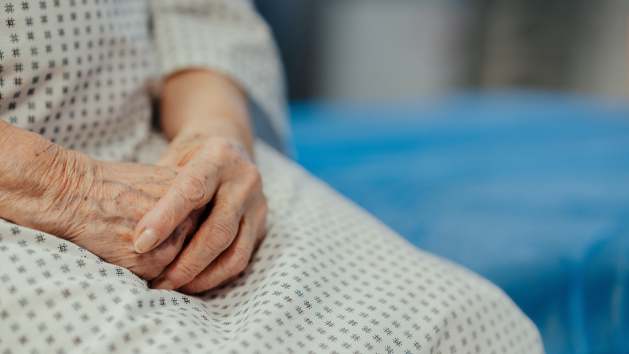
Prime Minister Andy Burnham has pledged £340m to provide 1,200 homes and intensive support for at least 3,000 people in England to help end rough sleeping.
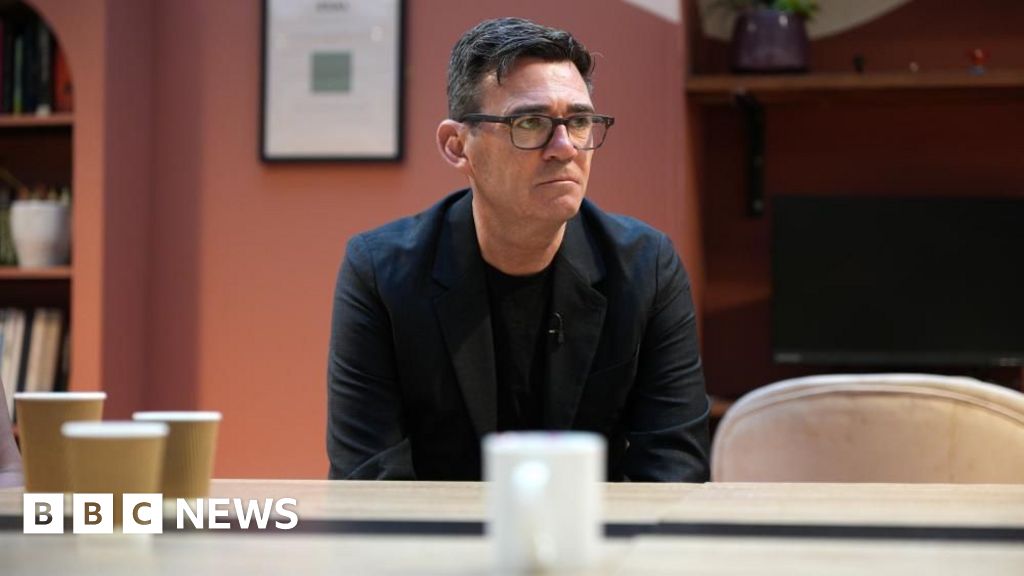
- Core Development: Prime Minister Andy Burnham has pledged £340m to provide 1,200 homes and intensive support for at least 3,000 people in England to help end rough sleeping.
- Beat Context: Categorized under Cost of Living with independent corroboration.
- Reporting Depth: 3 minute analytical read synthesized from verified newsroom sources.
Andy Burnham has made the commitment to end long-term rough sleeping across the United Kingdom his first policy pledge as Prime Minister. The Prime Minister announced that the government will provide £340m to support a five-year programme. This initiative aims to provide 1,200 homes and supply "intensive support" to at least 3,000 people in England. The strategy represents a move away from what the government described as "paying for failure" toward investing in individual success.
The policy focuses on assisting those who have been sleeping rough for long periods to secure housing, a process that includes the acquisition of suitable properties. The principle holds that the security of a permanent, Independent home provides a foundation for life.
Media additions

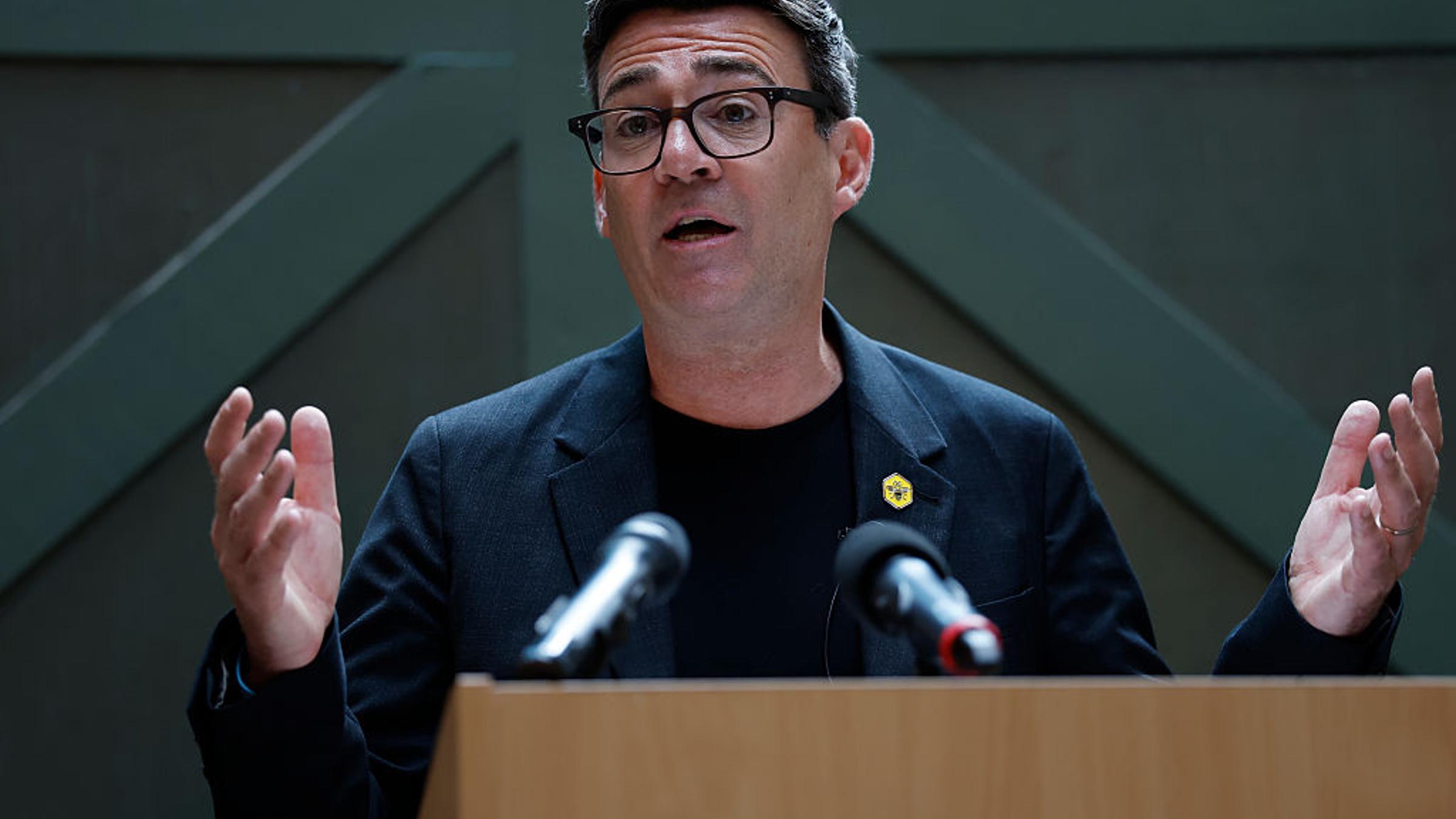
The Prime Minister’s emphasis on this issue follows official statistics published by the Westminster government in February this year, which estimated that 4,793 people were sleeping rough on a single night in autumn 2025. This figure marked a new record high and the fourth consecutive annual increase.
A Strategy Rooted in Previous Tenure
The new policy builds upon Burnham’s experiences as the Mayor of Greater Manchester. In 2017, he pledged to end rough sleeping in the region by 2020. During his time as mayor, he established the "A Bed Every Night" (ABEN) scheme, to which he donated 15 per cent of his salary. The programme provided accommodation for individuals who would otherwise be on the streets. However, the number of rough sleepers in Greater Manchester fluctuated, recorded at 268 in 2017, 149 in 2023, 154 in autumn 2024, and 197 in 2025, according to the Greater Manchester Combined Authority and reports from The Manchester Mill.
Burnham previously attributed high numbers to factors beyond mayoral control, such as a national housing shortage, cost-of-living pressures, and the eviction of refugees from government-provided hotels. He also noted that the "Everyone In" scheme, implemented during the pandemic, served as an example of national and local governments working in unison.
Political Reception and Implementation
The pledge has received a mixed response from the political opposition. Conservative shadow housing secretary Sir James Cleverly stated there was "precious little detail" regarding how the policy would be funded and questioned if other projects had been "salami-sliced" to provide the capital. He further criticised Burnham's previous record in Manchester, claiming he failed to execute the necessary work. Robert Jenrick, the Treasury spokesman for Reform UK, also questioned the Prime Minister’s record, stating he was not the first person he would contact for advice on the issue.
Conversely, Matt Downie, chief executive of the homelessness charity Crisis, described the pledge as "absolutely fantastic." He argued that the proposal signals a shift away from managing homelessness, which costs the public purse billions of pounds.
Implementation will involve a new governance structure, with the Prime Minister planning to utilize "No. 10 North," a secondary base in Manchester designed to coordinate national and local government efforts. The initiative follows a £3.6bn national plan to end homelessness published by the government of former Prime Minister Sir Keir Starmer in December.
Upcoming Electoral Context
The policy announcement comes shortly before a significant electoral test for the new government. On 30 July, the Greater Manchester Mayoral by-election will take place. The vacancy was created by Burnham’s resignation from the mayoral office to take his seat in the House of Commons and pursue the leadership of the Labour Party. While Reform UK initially hoped to challenge for the seat, recent polling suggests the Labour candidate is leading by a significant margin.
How significant is this development?
Contribute your assessment to the aggregated reader sentiment ledger.
Frequently Asked Questions
Key questions answered in this reportWhat is the key development in: Andy Burnham pledges £340m to end long-term rough sleeping as first policy?
Prime Minister Andy Burnham has pledged £340m to provide 1,200 homes and intensive support for at least 3,000 people in England to help end rough sleeping.
Why is this Cost of Living development significant for the UK?
This report covers critical events in our Cost of Living beat. Independent reporting monitors related UK statements, regulatory shifts, and public responses as further verified details emerge.
How was this reporting corroborated and verified?
Newsarchy UK compiles and cross-references reporting from primary reporting from inews.co.uk and cross-checked wire reports. All coverage adheres to published editorial standards.
When was this report published?
This briefing was published on July 20, 2026 and is permanently cataloged in the Newsarchy UK Cost of Living archives.