South East Water hosepipe ban to affect 2.4 million people
A regional hosepipe ban for Sussex, Surrey, Hampshire, and Berkshire begins Saturday as South East Water addresses low water levels and financial uncertainty.
- Core Development: A regional hosepipe ban for Sussex, Surrey, Hampshire, and Berkshire begins Saturday as South East Water addresses low water levels and financial uncertainty.
- Beat Context: Categorized under News with independent corroboration.
- Reporting Depth: 3 minute analytical read synthesized from verified newsroom sources.
South East Water will enforce a regional hosepipe ban beginning at 00:01 BST on Saturday. The restrictions cover Sussex, Surrey, Hampshire, and Berkshire, impacting 2.4 million customers in addition to existing measures in Kent that have been in place since 3 July. While the formal start is set for the weekend, the company has asked residents to cease using hosepipes for gardens, cars, patios, boats, or swimming pools immediately.
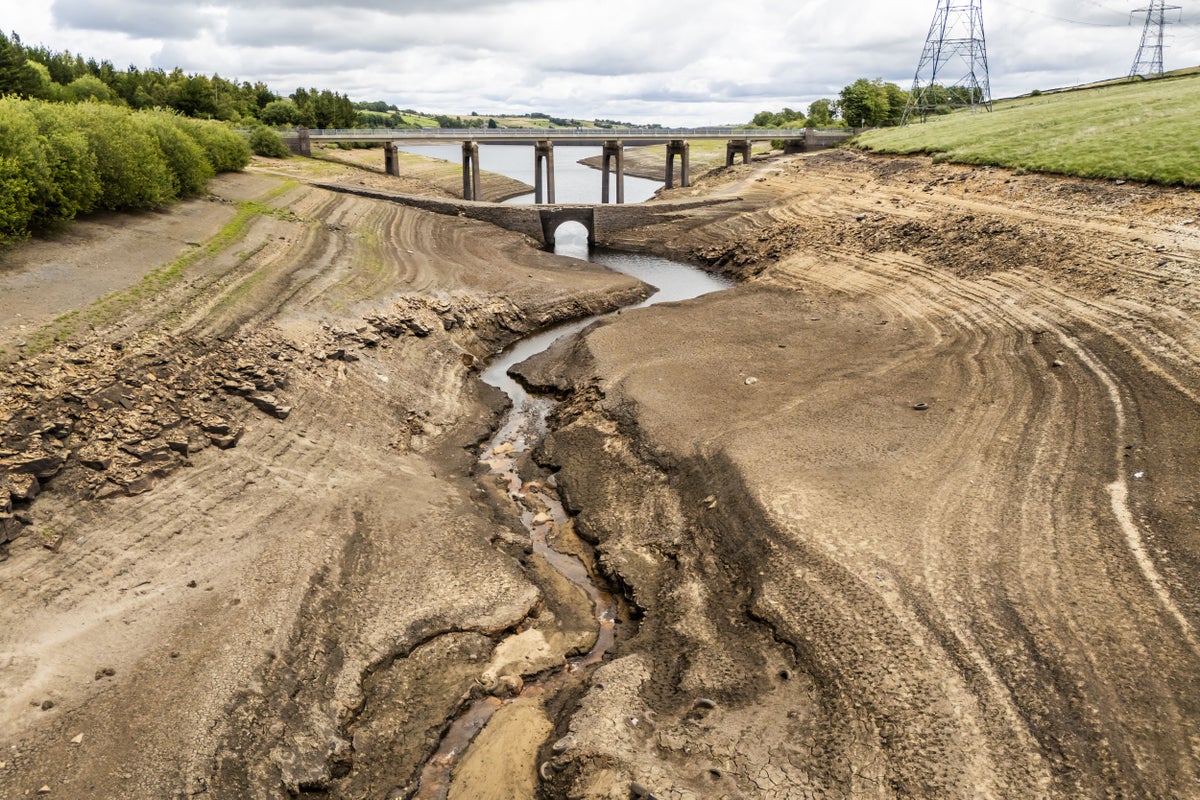
The utility provider attributed the move to declining river levels and the necessity of protecting groundwater sources. According to the company, the region has received 55 percent of its average rainfall since March. Met Office data indicates that south-east England experienced an unbroken 17-day period of zero rainfall from 2 July to 18 July 2026, marking the longest such spell in the region since a 17-day period in March and April 1995. Other suppliers, including Anglian Water, Cambridge Water, Southern Water, and Affinity Water, have also introduced restrictions due to increased demand and lack of rainfall.
Media additions


"Our absolute priority has to be making sure there is always enough water for everyone’s essential daily needs: drinking, cooking and hygiene. To safeguard our shared resource and help prevent any homes from facing a sudden loss of water, we sadly need to ask our communities to not use their hosepipes immediately."
Douglas Whitfield, water supply director, South East Water, via Yahoo News
The announcement follows a challenging period for the supplier, which is currently subject to a £30.5m redress package ordered by the regulator, Ofwat, following service outages during the previous winter. An annual report released on Friday disclosed “material uncertainty” regarding the company’s ability to continue operations beyond July 2027 without securing new loan facilities. While shareholders injected £200m in May 2025 and £75m in December 2024, the company reported widening losses of £33m.
Local businesses have reported significant operational disruptions. Toby Cooper, the landlord of The Bull in Tunbridge Wells, stated that water supply issues forced him to close his pub, resulting in estimated losses between £5,000 and £6,000.
"It’s getting very frustrating especially for a small business where every penny counts. Being closed – especially on weekends – really hits us hard."
Toby Cooper, publican, via Yahoo News
Eastbourne MP Josh Babarinde expressed strong criticism of the utility's performance, stating the situation is the result of years of underinvestment in upgrading infrastructure and building resilience. Mike Keil, chief executive of the Consumer Council for Water, added that customers are tired of living under a constant state of uncertainty regarding their water supply.
"People in the area are sick to death of living under a constant cloud of uncertainty as to whether their taps will keep running and it also undermines customers' own motivation to save water."
Mike Keil, chief executive, Consumer Council for Water, via Yahoo News
Environment Agency data from Friday shows that national reservoir storage levels are at 79%, five percentage points below the long-term average for this time of year. Six reservoirs are currently classified as having notably low levels.
Greenpeace UK’s chief scientist, Dr Doug Parr, criticised the industry for its handling of network maintenance.
"It’s galling to be told to put away the hose while water companies are losing nearly three billion litres every day through leaks."
Dr Doug Parr, chief scientist, Greenpeace UK, via The Mirror
How significant is this development?
Contribute your assessment to the aggregated reader sentiment ledger.
Frequently Asked Questions
Key questions answered in this reportWhat is the key development in: South East Water hosepipe ban to affect 2.4 million people?
A regional hosepipe ban for Sussex, Surrey, Hampshire, and Berkshire begins Saturday as South East Water addresses low water levels and financial uncertainty.
Why is this News development significant for the UK?
This report covers critical events in our News beat. Independent reporting monitors related UK statements, regulatory shifts, and public responses as further verified details emerge.
How was this reporting corroborated and verified?
Newsarchy UK compiles and cross-references reporting from primary reporting from mirror.co.uk and cross-checked wire reports. All coverage adheres to published editorial standards.
When was this report published?
This briefing was published on July 20, 2026 and is permanently cataloged in the Newsarchy UK News archives.


