Burnham to ban fake discounts and curb subscription traps
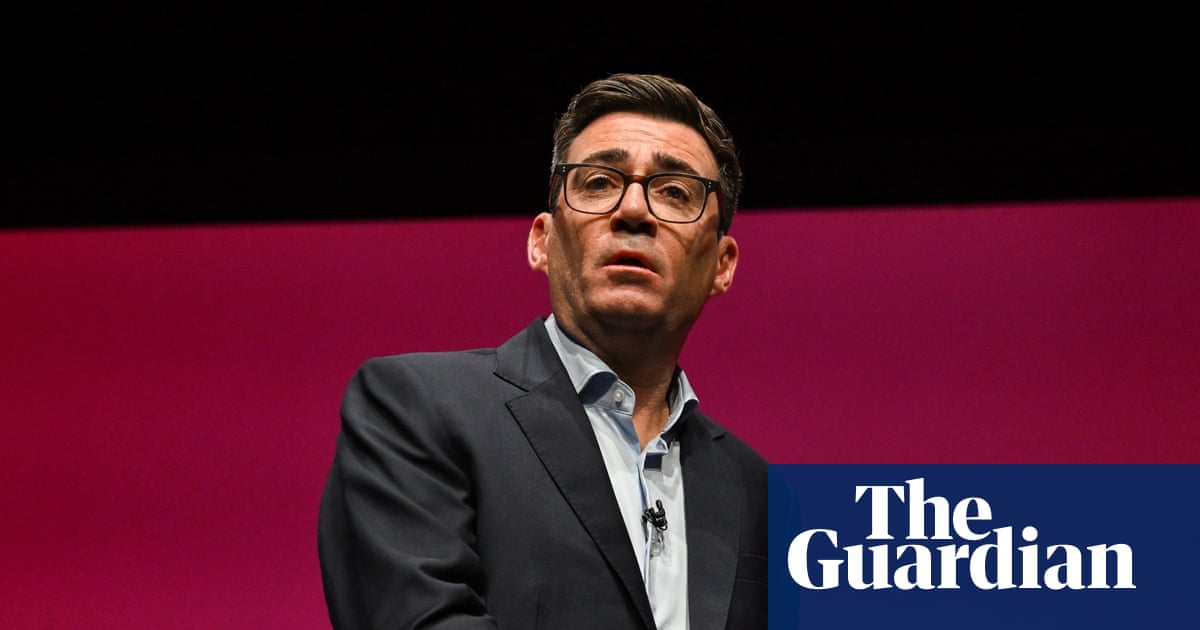
Prime Minister Andy Burnham announced a dual crackdown to outlaw deceptive was-price sales and fast-track new rules on recurring subscriptions.
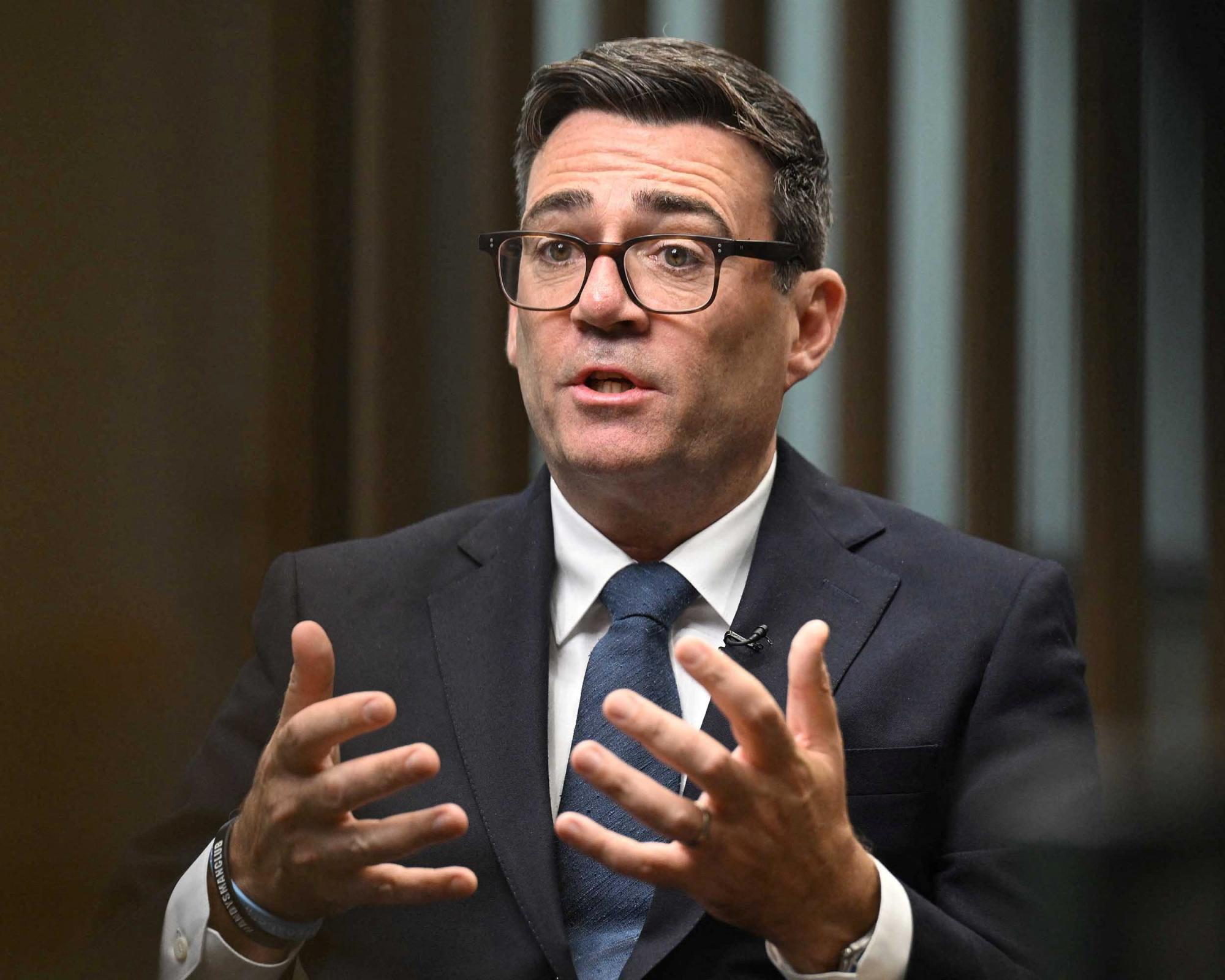
- Core Development: Prime Minister Andy Burnham announced a dual crackdown to outlaw deceptive was-price sales and fast-track new rules on recurring subscriptions.
- Beat Context: Categorized under Politics with independent corroboration.
- Reporting Depth: 3 minute analytical read synthesized from verified newsroom sources.
From Aol and The Guardian, the prime minister announced a dual crackdown that will outlaw deceptive “was‑price” sales and fast‑track new rules on recurring subscriptions. The measures are pitched as the first “everyday fixes” that could return roughly £400 million a year to household budgets – a welcome bite of relief as families struggle with soaring living costs.
The fake‑discount ban
Retailers will soon be barred from inflating original prices to make a sale look larger than it is. Burnham insists the move is simple: “If something is advertised as half price, it should actually be half price.”
Media additions

“If something is advertised as half price, it should actually be half price. We’ll make sure that when families snatch a deal, they can be confident they’re actually saving.”
Andy Burnham, prime minister, via AOL
The ban targets “fake ‘was’ prices, invented reductions and misleading recommended retail prices,” according to the government brief. Ministers plan an autumn consultation to nail down the exact practices and the secondary legislation that will enforce them. Downing Street hopes the process will be swift and not demand a prolonged parliamentary debate.
Subscription‑trap reforms
At the same time, the government is pulling forward a set of consumer‑protection rules that were slated for next spring. The new regime, due in January 2027, will force businesses to:
- Provide clear information at sign‑up, including ongoing costs.
- Send regular reminders about active subscriptions.
- Offer a 14‑day cooling‑off period after a trial ends or a contract renews.
- Require explicit consent before any automatic renewal.
Burnham framed the changes as a balance of “making it as easy to leave a subscription as it is to join.” The Treasury estimates that the average consumer could save about £14 a month for each unwanted subscription they ditch, translating into a national saving of roughly £1.6 billion a year.
“Too many companies want you to sign up in seconds but then make it feel impossible to leave. It’s exhausting.”
Andy Burnham, prime minister, via The Guardian
Citizens Advice welcomed the proposals but warned they “can’t be the end of the story,” underscoring that broader pricing pressures remain.
“Citizens Advice welcomed the changes but said they ‘can’t be the end of the story’.”
Citizens Advice, via AOL
Why the timing matters
The announcement arrives as the prime minister tours the country, seeking to reconnect with voters in regions where Labour has made recent gains. Burnham’s summer itinerary, detailed on Newsarchy UK, will feed directly into the “everyday fixes” agenda, giving the government a feedback loop for future consumer legislation.
With the cost‑of‑living crisis still biting, the promise of concrete savings on everyday purchases offers a tangible political payoff. As Burnham put it, “every single unexpected payment, rip‑off or hidden catch chips away at hope.” The government hopes the visible impact of these measures will reinforce its claim of being a “cost‑of‑living government”.
Implementation timeline
| Milestone | Expected date |
|---|---|
| Autumn consultation on fake‑discount definitions | Autumn 2026 |
| Secondary legislation drafted | Late 2026 |
| Subscription‑trap rules come into force | January 2027 |
| First wave of “everyday fixes” reviewed | Mid‑2027 |
What to watch next
- Consultation feedback – retailers and consumer groups will submit responses in the autumn; the government’s final ban language will hinge on this input.
- Parliamentary scrutiny – while Downing Street expects a fast track, MPs may raise amendments, especially from opposition parties.
- Public reaction – the summer tour will surface complaints that could shape additional fixes beyond discounts and subscriptions.
- Impact assessments – the Treasury will publish early‑year data on household savings once the subscription rules are live.
All eyes are on whether the promised £400 million in annual consumer relief materialises without unintended side‑effects for retailers. If the rollout proceeds as planned, the ban on misleading discounts and the tightened subscription regime could become the first of a series of consumer‑focused reforms that Burnham hopes will restore confidence in a government “united on” easing everyday financial pressure.
How significant is this development?
Contribute your assessment to the aggregated reader sentiment ledger.
Frequently Asked Questions
Key questions answered in this reportWhat is the key development in: Burnham to ban fake discounts and curb subscription traps?
Prime Minister Andy Burnham announced a dual crackdown to outlaw deceptive was-price sales and fast-track new rules on recurring subscriptions.
Why is this Politics development significant for the UK?
This report covers critical events in our Politics beat. Independent reporting monitors related UK statements, regulatory shifts, and public responses as further verified details emerge.
How was this reporting corroborated and verified?
Newsarchy UK compiles and cross-references reporting from primary reporting from aol.co.uk and cross-checked wire reports. All coverage adheres to published editorial standards.
When was this report published?
This briefing was published on August 10, 2026 and is permanently cataloged in the Newsarchy UK Politics archives.