Andy Burnham insists defence uplift can’t come at expense of welfare
Prime Minister Andy Burnham has clashed with Conservative leader Kemi Badenoch at PMQs, ruling out sweeping welfare cuts to fund military expansion.
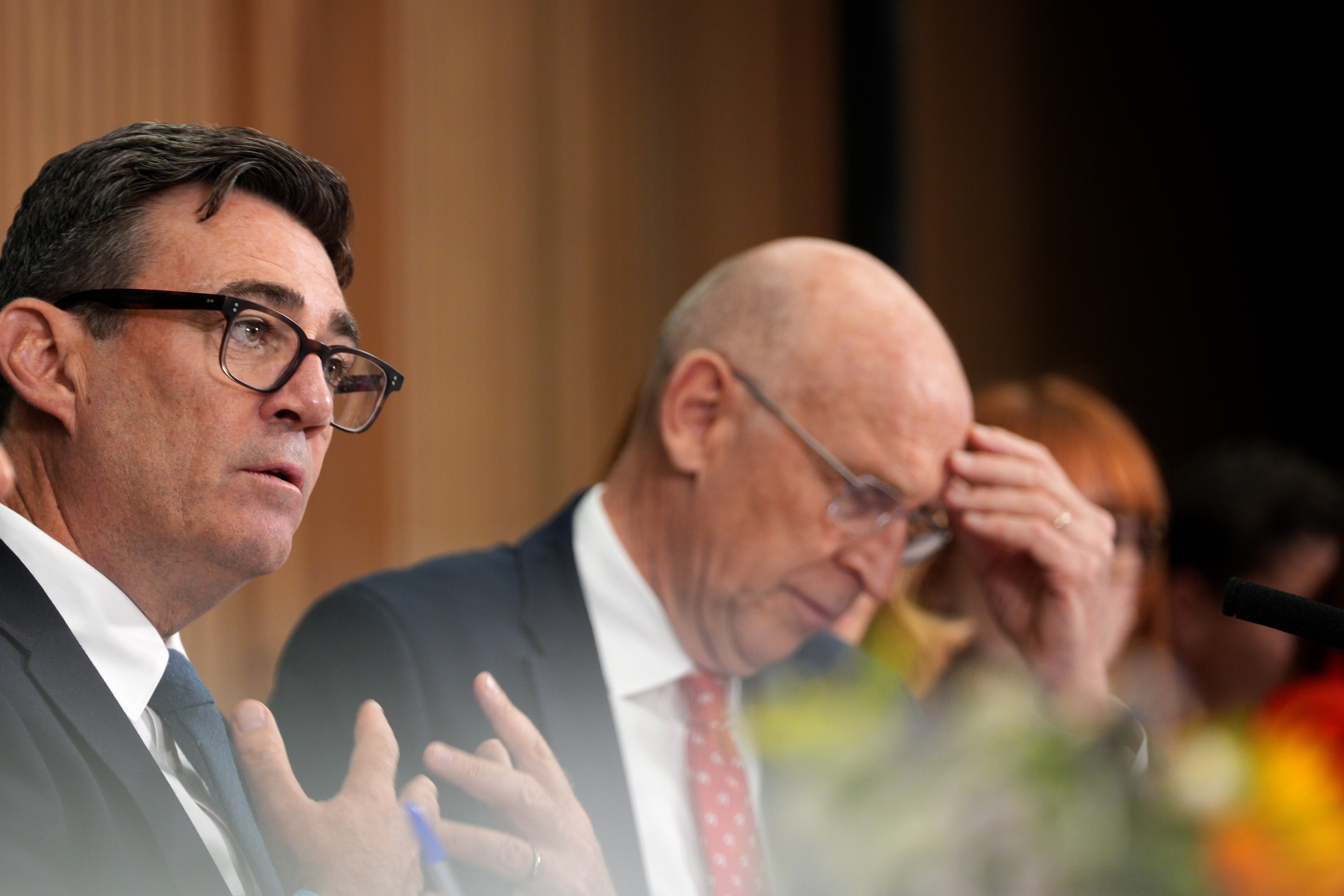
- Core Development: Prime Minister Andy Burnham has clashed with Conservative leader Kemi Badenoch at PMQs, ruling out sweeping welfare cuts to fund military expansion.
- Beat Context: Categorized under Politics with independent corroboration.
- Reporting Depth: 3 minute analytical read synthesized from verified newsroom sources.
Prime Minister Andy Burnham has rejected calls to finance military expansion by cutting support for low-income households, drawing a sharp parliamentary dividing line over national priorities via Cityam. The confrontation unfolded during Prime Minister's Questions, where the premier faced intense pressure from Conservative leader Kemi Badenoch regarding military expenditure timetables and the ballooning welfare bill via BBC.
The debate ignited when The Spectator and other outlets reported on the prime minister's parliamentary defence of community safety nets. Burnham criticized an opposition proposal to strip £4bn from housing benefit to fund armed forces upgrades via Dailymail. He warned that reducing local housing allowances and altering social sector rents would generate homelessness on an unprecedented scale, pushing hundreds of thousands of children into temporary accommodation via Cityam. We do everything to support our national security, but it can’t come at the expense of social security
, Burnham told the Commons, insisting that robust national defence depends fundamentally on resilient local communities via The Independent.
Media additions

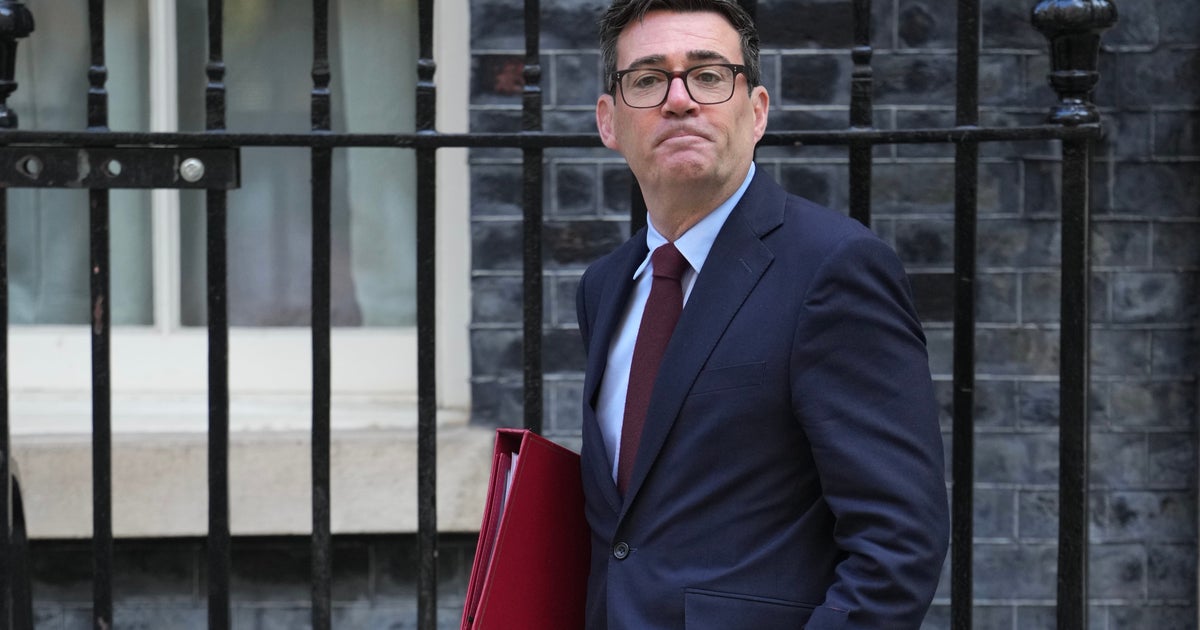

Opposition figures were swift to condemn the remarks. Badenoch accused the prime minister of treating defence as an afterthought, pointing to geopolitical tensions in the North Sea and the Falkland Islands as urgent justifications for immediate funding via AOL.com. A Conservative spokesperson characterized the stance as prioritizing a ballooning benefits bill over the defence of the realm via BBC. Tory strategists defended their proposed housing benefit adjustments, arguing they merely required individuals on benefits to make the same economic choices as working taxpayers via The Independent.
| Budgetary Metric | Current / Projected Figures | Context & Source Details |
|---|---|---|
| Welfare Bill (Total) | Rising to £408.6bn (2030/31) / 11.1% of GDP in 2030 | Projected via Department for Work and Pensions and Office for Budget Responsibility figures via BBC, via The Solihull Observer |
| Pensioner Spending | Rising from £169.2bn to £187.5bn | Highlighted in fiscal projections via Cityam |
| Disability Benefits | Increasing from £50.2bn to £61.1bn | Cited alongside broader welfare tracking via Cityam |
| Defence Investment Plan | Reaching 2.7% of GDP next year (2.7% by 2027-28) | Prioritised under current schedules via Cityam, via Dailymail |
| Nato Target | 3.5% of GDP by 2035 | Government commitment reaffirmed for upcoming spending review via BBC |
The fiscal backdrop involves significant pressure on public finances, with the broader welfare budget expanding considerably while ministers weigh how to meet long-term Nato obligations. Chancellor John Healey faced scrutiny over defence timelines, having previously resigned from a past administration over military funding disagreements via Cityam. Although the government has reaffirmed its commitment to the 3.5 percent of GDP target by 2035, specific milestones for reaching intermediate thresholds like 3 percent remain deferred via The Solihull Observer.
Downing Street emphasized that the administration remains determined to reduce overall welfare spending, pointing to structural reforms rather than abrupt cuts. Officials highlighted ongoing policy work targeting economic inactivity, including reviews into young people classified as Neets—those not in education, employment, or training—led by former minister Alan Milburn via BBC. Additional evaluations regarding disability payment frameworks are also underway via Cityam.
External housing and poverty experts have echoed warnings regarding the impact of proposed benefit reductions. Analysts from housing organizations noted that tampering with local housing allowances risks transferring financial burdens directly onto local councils and health services as homelessness rises via The Mirror. Meanwhile, political debate in Westminster continues to traverse intersecting domestic challenges, spanning from anti-social fireworks regulations via BBC to contentious foreign policy decisions via The Solihull Observer.
The government intends to set out more detailed funding paths and fiscal targets during the upcoming spending review via BBC. Further policy announcements concerning youth employment strategies and disability benefit reviews are expected following the publication of independent advisory reports via Cityam.
How significant is this development?
Contribute your assessment to the aggregated reader sentiment ledger.
Frequently Asked Questions
Key questions answered in this reportWhat is the key development in: Andy Burnham insists defence uplift can’t come at expense of welfare?
Prime Minister Andy Burnham has clashed with Conservative leader Kemi Badenoch at PMQs, ruling out sweeping welfare cuts to fund military expansion.
Why is this Politics development significant for the UK?
This report covers critical events in our Politics beat. Independent reporting monitors related UK statements, regulatory shifts, and public responses as further verified details emerge.
How was this reporting corroborated and verified?
Newsarchy UK compiles and cross-references reporting from primary reporting from bbc.co.uk and cross-checked wire reports. All coverage adheres to published editorial standards.
When was this report published?
This briefing was published on September 9, 2026 and is permanently cataloged in the Newsarchy UK Politics archives.