Mike Huckabee accuses UK government of discrimination over Israel sanctions plan
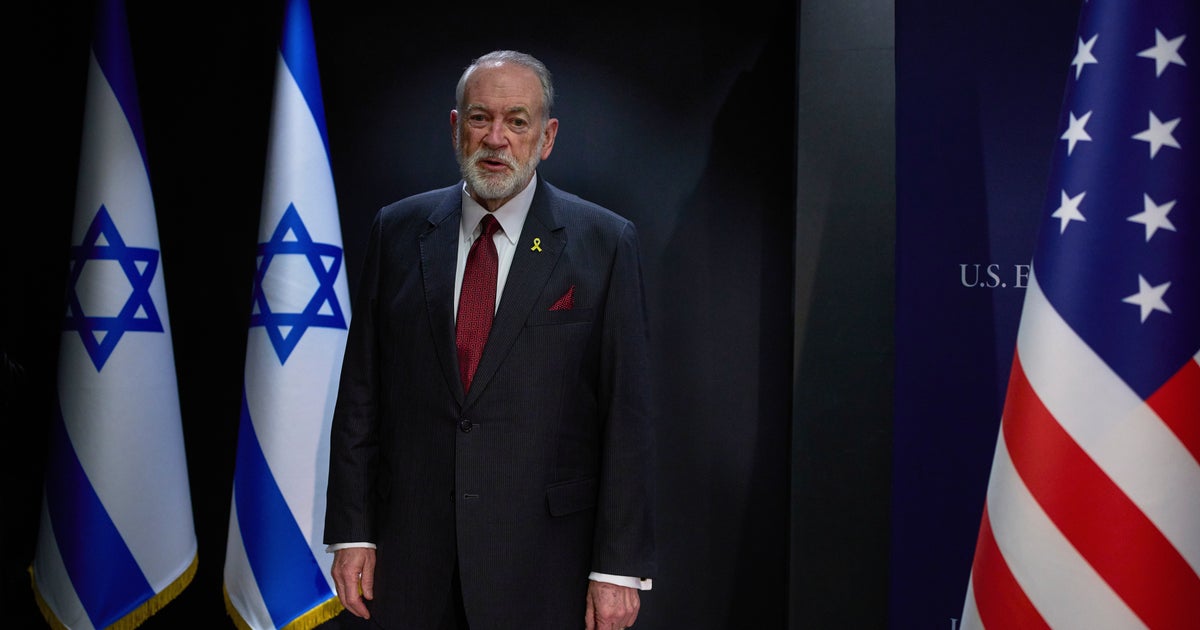
US Ambassador to Israel Mike Huckabee criticized planned UK trade restrictions on West Bank settlements, accusing the government of discrimination.
- Core Development: US Ambassador to Israel Mike Huckabee criticized planned UK trade restrictions on West Bank settlements, accusing the government of discrimination.
- Beat Context: Categorized under Politics with independent corroboration.
- Reporting Depth: 4 minute analytical read synthesized from verified newsroom sources.
A diplomatic and political firestorm is engulfing Westminster as the British government prepares to implement a controversial package of trade restrictions targeting Israeli settlements in the occupied West Bank, drawing fierce international condemnation and domestic warnings over national security and community safety.
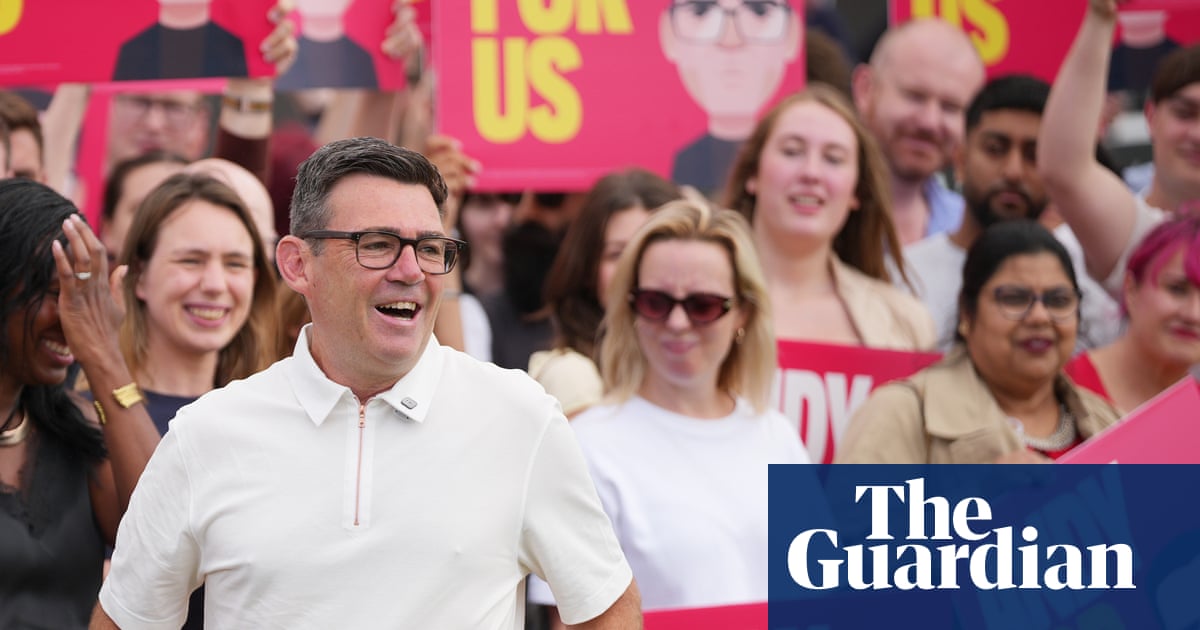
The impending announcement is a notable pivot in British government policy under Prime Minister Andy Burnham, whose administration has faced intense domestic pressure over the Middle East conflict. The policy shift comes in direct response to Israel's advancing plans for the E1 settlement bloc, a contentious project that critics and international observers warn will divide the West Bank and render a viable, contiguous Palestinian state impossible. According to reporting compiled across major outlets, ministers intend to restrict the import of agricultural and other goods produced within these settlements, framing the intervention as a necessary defense of the two-state solution.
Media additions



Yet the backlash has been swift and severe. Writing in international coverage and broadcasting on the Bbc, US Ambassador to Israel Mike Huckabee launched an extraordinary broadside against London. He accused the UK government of irrational behavior, asserting that the policy amounted to "discrimination against the Jewish people." Huckabee further warned that the sanctions could trigger immediate economic retaliation from the United States, pointing specifically to states like Florida where local legislation bans commercial ties with entities or nations enforcing boycotts against Israel.
Meanwhile, the Israeli government responded with furious diplomatic pushback. Foreign Minister Gideon Saar warned that “If Britain acts against Israel, Israel will act against Britain.” More provocatively, hard-line public security minister Itamar Ben-Gvir urged Prime Minister Benjamin Netanyahu to formally recognise Argentine sovereignty over the Falkland Islands and impose retaliatory sanctions on London.
Domestic opposition has proved equally vociferous. Conservative shadow foreign secretary Tom Tugendhat warned that the measures threaten vital intelligence-sharing agreements. He noted that past counter-terrorism operations relied heavily on intelligence supplied by Israel, emphasizing that safeguarding British citizens must remain the paramount objective of foreign policy according to reporting by The Jewish Chronicle. Echoing these security concerns, Jonathan Hall KC, the independent reviewer of terrorism legislation, cautioned that isolating Israel risks stoking domestic tensions and painting a dangerous target on the backs of British Jewish communities.
Within the governing Labour Party itself, unease is palpable. Labour MP Peter Prinsley, vice-chair of Labour Friends of Israel, voiced grave fears that political opponents would fail to differentiate between Israeli state policy and British Jews, thereby amplifying the risk of hate crimes.
| Official / Figure | Affiliation / Role | Position on Proposed Sanctions |
|---|---|---|
| Mike Huckabee | US Ambassador to Israel | Condemned the plan as irrational and discriminatory against Jewish people, warning of US state-level trade reprisals. |
| Gideon Saar | Israeli Foreign Minister | Warned of direct diplomatic and economic retaliation against the UK. |
| Tom Tugendhat | Shadow Foreign Secretary | Warned the measures could imperil vital intelligence cooperation and British national security. |
| Peter Prinsley | Labour MP | Expressed fear that the policy risks increasing threats and attacks against the British Jewish community. |
Cabinet ministers have mounted a robust defence of the forthcoming strategy. Work and Pensions Secretary Pat McFadden insisted that the measures are narrowly tailored to penalize unlawful settlement expansion rather than enacting a blanket boycott of the Israeli state, maintaining that Israel remains a valued trading and security partner.
As Westminster braces for the Foreign Secretary’s formal statement, attention turns to how the government intends to practically distinguish settlement goods from mainland Israeli products without fracturing wider commercial accords. Observers are also watching for the official White House reaction, following Prime Minister Burnham’s late-night telephone consultation with US President Donald Trump.
Readers seeking broader political developments can follow ongoing updates via our dedicated Politics coverage.
How significant is this development?
Contribute your assessment to the aggregated reader sentiment ledger.
Frequently Asked Questions
Key questions answered in this reportWhat is the key development in: Mike Huckabee accuses UK government of discrimination over Israel sanctions plan?
US Ambassador to Israel Mike Huckabee criticized planned UK trade restrictions on West Bank settlements, accusing the government of discrimination.
Why is this Politics development significant for the UK?
This report covers critical events in our Politics beat. Independent reporting monitors related UK statements, regulatory shifts, and public responses as further verified details emerge.
How was this reporting corroborated and verified?
Newsarchy UK compiles and cross-references reporting from primary reporting from BBC and cross-checked wire reports. All coverage adheres to published editorial standards.
When was this report published?
This briefing was published on September 8, 2026 and is permanently cataloged in the Newsarchy UK Politics archives.