UK bans West Bank settlement goods and accuses settlers of ethnic cleansing
The UK has implemented a comprehensive ban on imports from West Bank settlements while accusing Israeli settlers of ethnic cleansing.
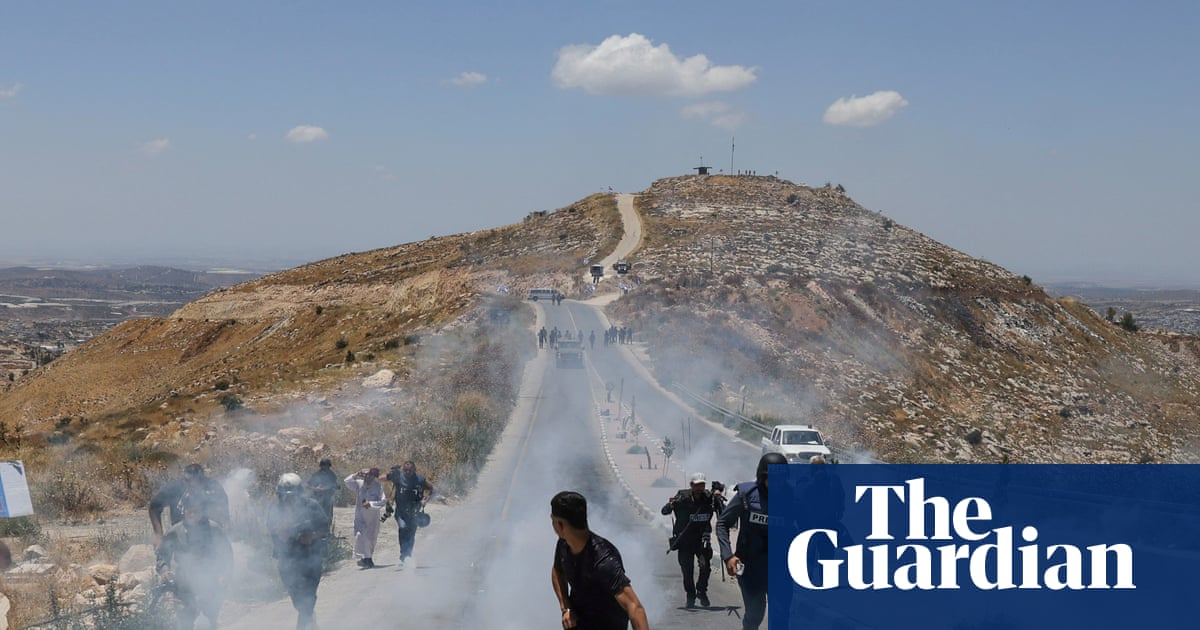
- Core Development: The UK has implemented a comprehensive ban on imports from West Bank settlements while accusing Israeli settlers of ethnic cleansing.
- Beat Context: Categorized under Politics with independent corroboration.
- Reporting Depth: 4 minute analytical read synthesized from verified newsroom sources.
The United Kingdom has implemented a comprehensive ban on imports of goods produced in Jewish settlements across the Israeli-occupied West Bank, while formally accusing Israeli settlers of ethnic cleansing. In a major escalation of diplomatic rhetoric and economic policy, British officials declared that the nation’s longstanding position on the territory has shifted entirely. London now views Israel's occupation of the West Bank as unlawful in its entirety, marking one of the most severe diplomatic ruptures between the two governments in decades.
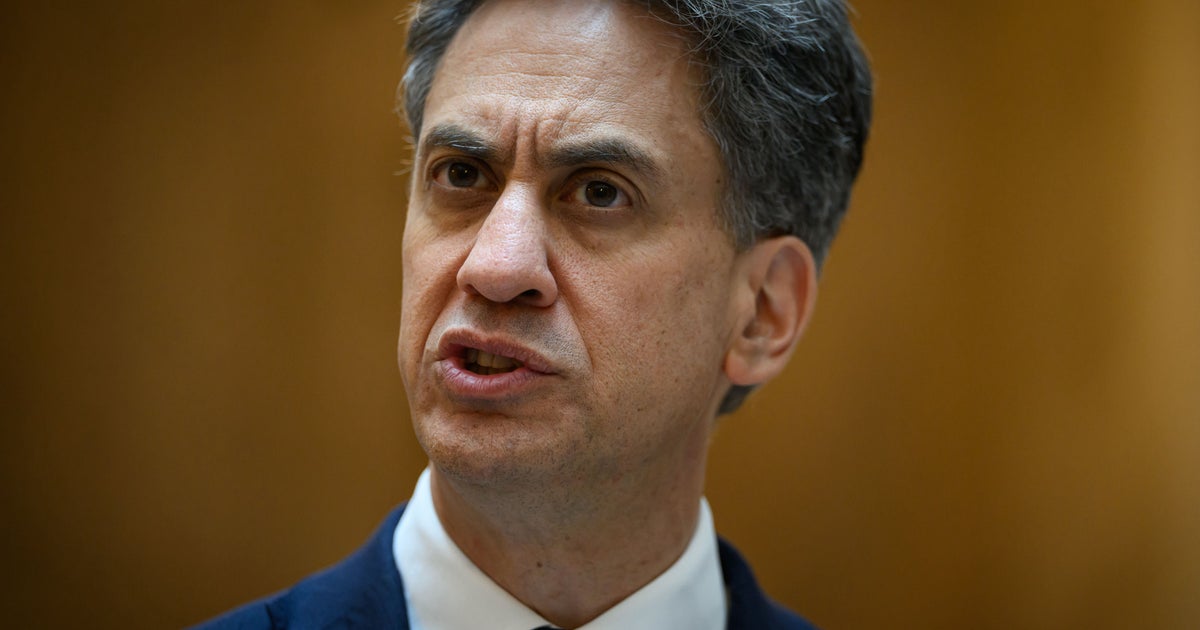
Announcing the measures in the House of Commons, British Foreign Secretary Ed Miliband stated that the government now formally agrees that ethnic cleansing of Palestinians is occurring in specific areas of the West Bank, perpetrated by individuals he described as settler terrorists. Miliband emphasized that the administration's dispute is strictly directed at government policies rather than citizens, asserting that "our argument is not with the people of Israel, with whom the U.K. Has unshakeable bonds, our argument is with the conduct of its government."
Media additions
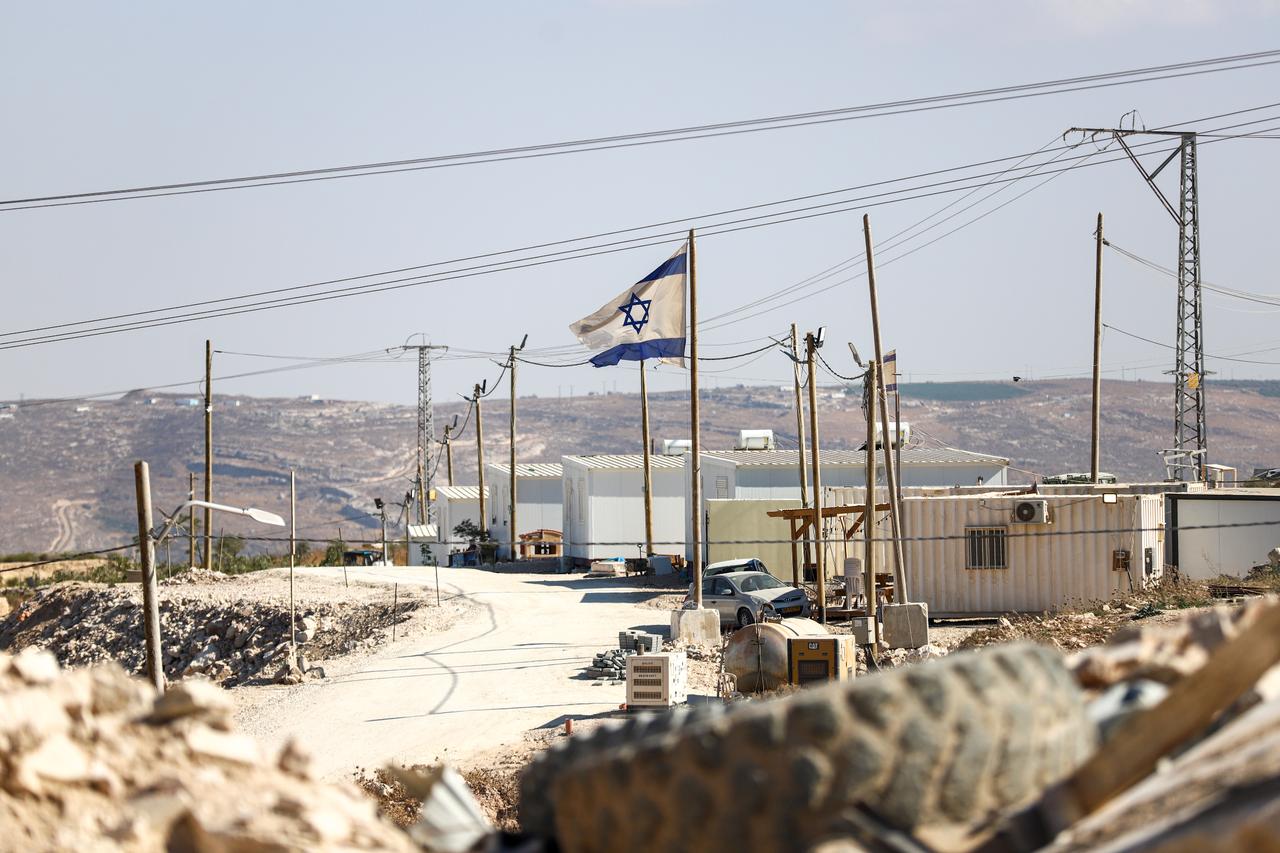
The newly unveiled package extends far beyond a simple import prohibition. According to detailed policy breakdowns reported by The Guardian, the UK government is instituting a sweeping sanctions regime targeting financial services, construction, and infrastructure development linked to the settlements. Furthermore, the state will prohibit property advertising for illegal settlements within British borders, apply targeted personal sanctions against key individuals accused of fueling violence, and enforce a strict double-lock on arms export licenses. Any military or dual-use export license application that materially contributes to the occupation will be permanently refused for as long as the occupation persists.
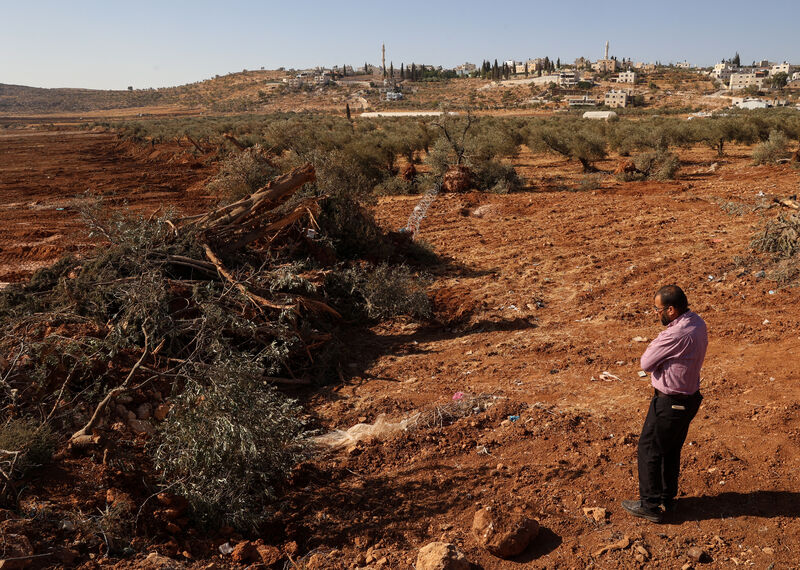
The British policy pivot arrives amid mounting documented evidence regarding demographic engineering and displacement in the occupied territories. Research published by human rights organizations, including Amnesty International, details an exponential rise in state-backed settler violence designed to uproot Palestinian Bedouin and herding communities, particularly across Area C of the West Bank. These findings align with broader international assessments, including reports from UN bodies highlighting severe violations of humanitarian law.
International reactions to London's announcement have exposed deep global fractures. France and Canada issued joint declarations implementing parallel bans, joining a coalition of countries including Denmark, Finland, Iceland, Ireland, Norway, Poland, Portugal, Spain, and Sweden in targeting settlement commerce. Conversely, the diplomatic fallout with Washington and Jerusalem has been immediate. US Ambassador to Israel Mike Huckabee condemned the move as irrational, raising the possibility of retaliatory actions from American states bound by anti-boycott, divestment, and sanctions statutes.
| Country / Entity | Policy Action on West Bank Settlements | Official Stance & Statements |
|---|---|---|
| United Kingdom | Comprehensive import ban, service restrictions, advertising ban, and arms export double-lock. | Declared occupation unlawful; accused settlers of ethnic cleansing. |
| France & Canada | Parallel import bans announced in joint statements with the UK. | Advocating for broader international and European Union-wide trade restrictions. |
| United States | Condemned UK measures through diplomatic channels. | Warned of potential repercussions for British businesses under state-level anti-BDS laws, as reported by Wlrn and Türkiye Today. |
| Israel | Threatened immediate diplomatic and economic retaliation. | Rejected accusations as interference; far-right ministers called for expelling the British ambassador and closing the UK consulate in East Jerusalem. |
Israeli leadership responded with intense fury to the UK's policy shift. Foreign Minister Gideon Sa'ar warned of reciprocal measures against Britain, while Finance Minister Bezalel Smotrich demanded the expulsion of the British ambassador. Security Minister Itamar Ben-Gvir went further, urging Prime Minister Benjamin Netanyahu to shutter the British consulate in East Jerusalem. Meanwhile, American officials expressed profound skepticism regarding the strategic rationale behind London's trade penalties.
Despite fierce pushback from domestic critics who argue the measures may inadvertently harm Palestinian labourers integrated into regional economic networks, the Foreign Office remains resolute. The statutory framework and precise regulatory definitions required to execute the trade prohibitions and economic sanctions are currently being drafted. Government officials anticipate that the comprehensive legislative mechanisms will take between six to nine months to be finalized and fully enacted into law.
How significant is this development?
Contribute your assessment to the aggregated reader sentiment ledger.
Frequently Asked Questions
Key questions answered in this reportWhat is the key development in: UK bans West Bank settlement goods and accuses settlers of ethnic cleansing?
The UK has implemented a comprehensive ban on imports from West Bank settlements while accusing Israeli settlers of ethnic cleansing.
Why is this Politics development significant for the UK?
This report covers critical events in our Politics beat. Independent reporting monitors related UK statements, regulatory shifts, and public responses as further verified details emerge.
How was this reporting corroborated and verified?
Newsarchy UK compiles and cross-references reporting from primary reporting from Amnesty International and cross-checked wire reports. All coverage adheres to published editorial standards.
When was this report published?
This briefing was published on September 8, 2026 and is permanently cataloged in the Newsarchy UK Politics archives.