London Underground drivers launch 24-hour strike over four-day week plans
RMT union drivers on the London Underground have initiated a series of 24-hour strikes protesting Transport for London's proposed four-day working week.

- Core Development: RMT union drivers on the London Underground have initiated a series of 24-hour strikes protesting Transport for London's proposed four-day working week.
- Beat Context: Categorized under Transport with independent corroboration.
- Reporting Depth: 4 minute analytical read synthesized from verified newsroom sources.
London Underground drivers represented by the Rail, Maritime and Transport (RMT) union have launched a series of 24-hour walkouts in opposition to proposals for a voluntary four-day working week, triggering widespread travel disruption across the capital. The industrial action, which has seen services severely curtailed on multiple corridors according to reporting from Metro, centers on a dispute between transport authorities and union executives over condensed shift patterns, mandatory rest periods, and potential safety implications for commuters and staff.
The dispute escalated after Transport for London (TfL) proposed a revised working pattern where drivers would compress full-week hours into four days. According to TfL, the initiative is designed to improve operational reliability, offer drivers an additional day off, and align the London Underground with other train operating companies without incurring additional costs. Transport officials have maintained that the changes are voluntary, contractual hours will not be reduced, and staff wishing to retain a traditional five-day schedule are free to do so.
Media additions
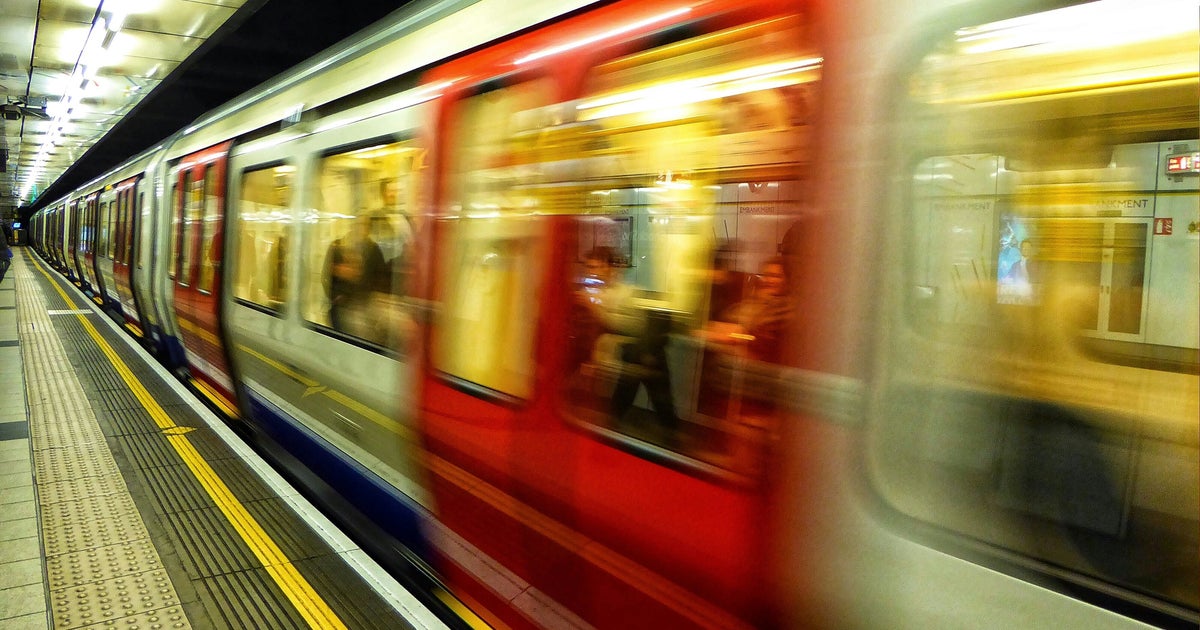
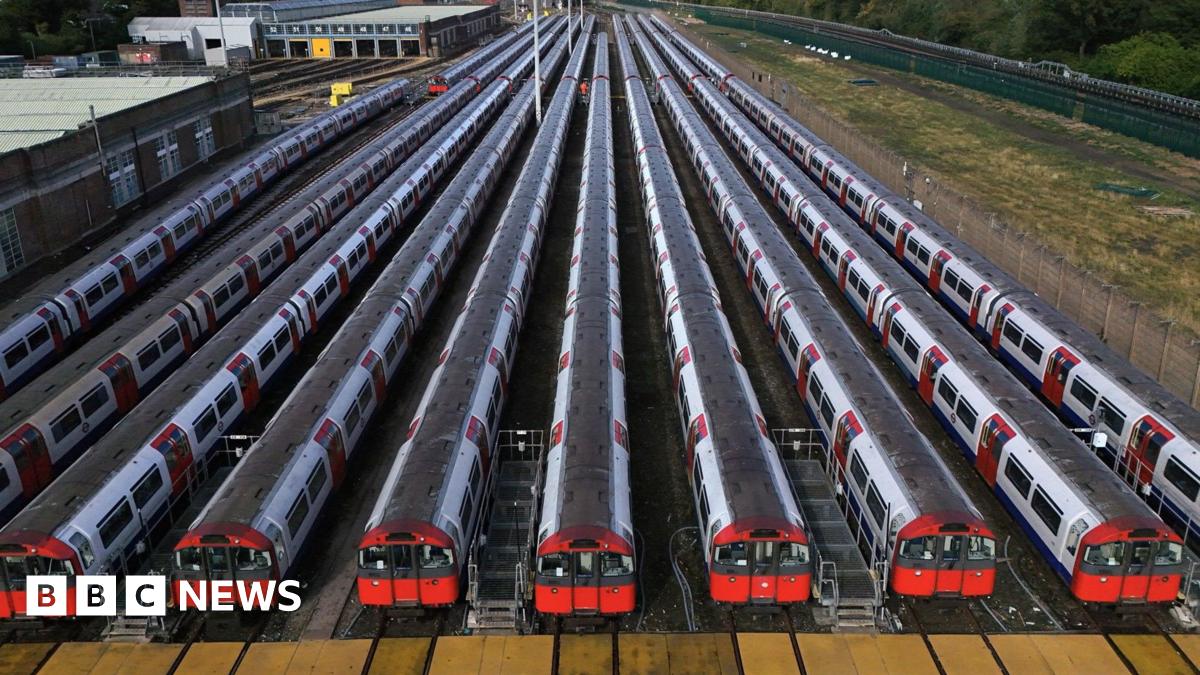
The RMT union has fiercely contested these assurances. Union representatives argue that condensing hours creates excessively long working days that heighten the risk of driver fatigue and compromise passenger safety. Furthermore, union officials have raised concerns that drivers could face short-notice shift allocations and have demanded written guarantees regarding schedule protections. RMT general secretary Eddie Dempsey stated that proposals had been rejected by members over severe concerns regarding work-life balance and safety, noting that industrial action was pursued only after attempts to reach a negotiated settlement stalled.
The conflict has exposed a division within the workforce. The Aslef union, which represents a slightly higher share of Tube drivers, accepted the voluntary proposals and opted to work through the strike periods. Aslef representatives expressed surprise at the RMT's opposition, characterizing the agreement as a welcome modernization that provides participating operators with substantial additional rest days annually. Consequently, only about half of the network's drivers—those belonging to the RMT—participated in the walkouts, allowing roughly sixty per cent of drivers to report for duty during recent action.
Network operations experienced severe strain during the industrial action. TfL reported that lines such as the Circle and Waterloo and City suffered complete suspensions, while major disruptions affected the Piccadilly, Metropolitan, and Central lines. In contrast, the Jubilee line maintained high operational capacity. Commuters adapted by shifting toward alternative modes of transit. TfL data indicated that passenger numbers dropped significantly on the Tube, while usage surged across the Elizabeth line, London Overground, DLR, and bus networks, alongside a notable increase in cycling and busier roadways across London.
Business groups have voiced strong concern over the ongoing friction. BusinessLDN deputy chief executive Muniya Barua warned that repeated strikes damage visitor confidence and hinder retail, hospitality, and cultural sectors that rely heavily on in-person footfall. Compounding the travel challenges, separate industrial action by Unite union members operating Stagecoach buses affected multiple local routes, adding to passenger delays across the city.
| Network / Transport Mode | Operational Impact During Strikes | Alternative Passenger Shift |
|---|---|---|
| London Underground (RMT-affected lines) | Complete or partial suspensions on lines including Circle, Piccadilly, and Central | Significant reduction in overall Tube journeys |
| Elizabeth Line & London Overground | Ran normally or operated busier than usual | Absorbed displaced passengers with notable traffic increases |
| DLR & Bus Services | Maintained regular services, though impacted locally by separate bus strikes | Experienced increased rider demand as commuters sought alternative routes |
| Cycling & Roads | Increased demand for active travel | Significant rises in cycling volume and busier road traffic |
Discussions between union leaders and transport officials have continued through conciliation services such as Acas. While certain planned strike dates were suspended following eleventh-hour negotiations, regional organizers from the RMT have warned that further industrial action remains under immediate consideration if negotiations fail to yield concessions. The union currently retains a strike mandate extending through the summer months.
Passengers and commuters navigating transport coverage across the capital are advised to monitor live travel updates as talks between TfL and union representatives progress.
How significant is this development?
Contribute your assessment to the aggregated reader sentiment ledger.
Frequently Asked Questions
Key questions answered in this reportWhat is the key development in: London Underground drivers launch 24-hour strike over four-day week plans?
RMT union drivers on the London Underground have initiated a series of 24-hour strikes protesting Transport for London's proposed four-day working week.
Why is this Transport development significant for the UK?
This report covers critical events in our Transport beat. Independent reporting monitors related UK statements, regulatory shifts, and public responses as further verified details emerge.
How was this reporting corroborated and verified?
Newsarchy UK compiles and cross-references reporting from primary reporting from My London and cross-checked wire reports. All coverage adheres to published editorial standards.
When was this report published?
This briefing was published on September 7, 2026 and is permanently cataloged in the Newsarchy UK Transport archives.