Rain Helps Contain Belgium's Record Wildfire as Firefighters Press On
Rain and cooler temperatures have brought relief to crews battling Belgium's largest wildfire on record, which has scorched 3,000 hectares of moorland, peat and woods.
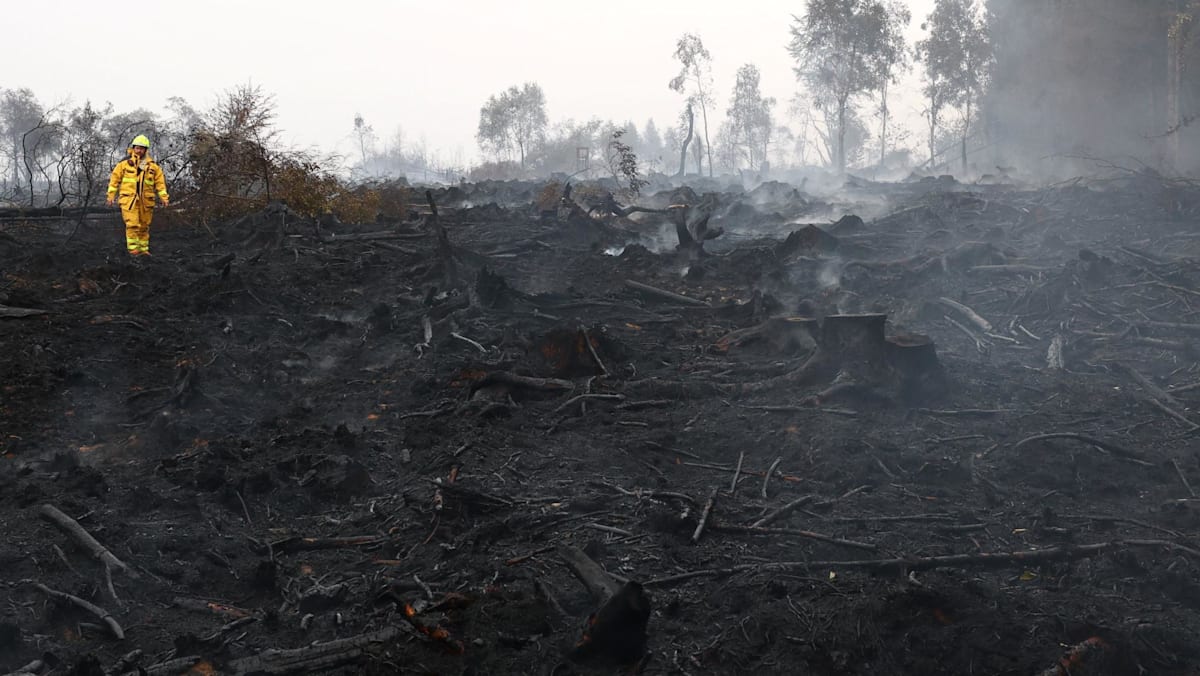
- Core Development: Rain and cooler temperatures have brought relief to crews battling Belgium's largest wildfire on record, which has scorched 3,000 hectares of moorland, peat and woods.
- Beat Context: Categorized under World with independent corroboration.
- Reporting Depth: 3 minute analytical read synthesized from verified newsroom sources.
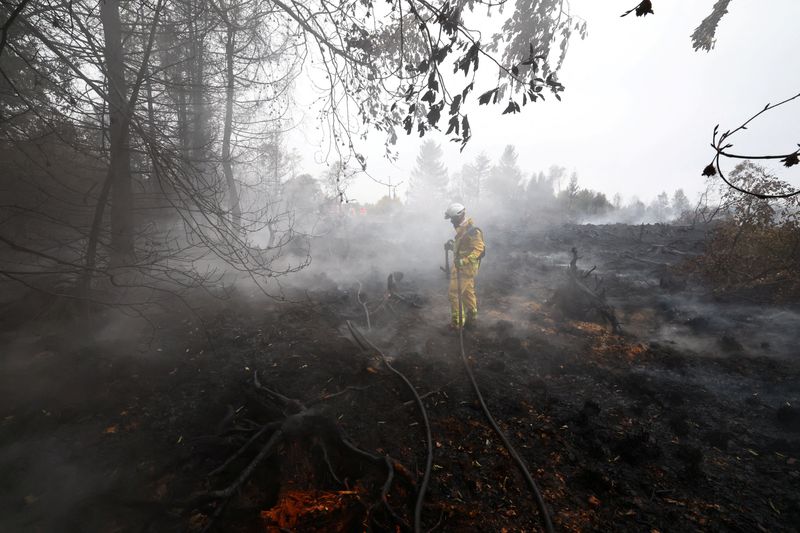
Rain falling over eastern Belgium on Monday, 17 August 2026, brought vital relief to emergency crews working to contain the largest wildfire in the country's recorded history, according to reports from the High Fens nature reserve. The precipitation arrived just as the massive blaze threatened to push across the border into Germany, following days of extreme heat that saw parts of Belgium reach 37 °C.
According to forecasts from the Belgian weather agency IRM, between 5 mm and 9 mm of rain was expected over the eastern reserve on Monday. Temperatures were simultaneously projected to drop to roughly 20 °C, providing a sharp contrast to the previous week's highs above 30 °C. Fire department captain Olivier Guist described the meteorological shift to Belgian radio station RTBF, stating:
Media additions

"This will change everything; in addition to the water associated with rainfall, there will also be an increase in humidity levels."
Olivier Guist, fire department captain, via RTBF
The fire has ravaged approximately 3,000 hectares of moorland, woods, and peat since igniting on Friday. This footprint dwarfs Belgium's previous record-setting blaze in 2011, which consumed close to 1,400 hectares. To combat the disaster, officials deployed an international coalition of roughly 500 firefighters hailing from Belgium, neighbouring Germany, and Luxembourg. Soldiers, farmers, and the army also joined the lines, while the European Union dispatched emergency assistance beginning Saturday, providing three helicopters and two water-bombing aircraft.
Nicolas Yernaux, a spokesperson for the Wallonia region administration, underscored the severity of the crisis to Reuters, noting:
"This is the biggest ecological disaster in terms of forest fires, that's clear, for Belgium."
Nicolas Yernaux, spokesperson for Wallonia, via Reuters
Despite the cooling weather and partial containment reported by Belgian officials, evacuated residents remain barred from returning to their homes. Yernaux cautioned that the threat is far from over, explaining to Reuters: We can't say that the fire is contained. It flares up all the time.
Furthermore, the fire has successfully penetrated metres-deep peat bogs within the reserve, creating underground smouldering that lacks visible flames and can potentially persist for months.
A continent gripped by summer infernos
The catastrophe in the High Fens forms part of a broader wave of destruction sweeping across Europe. Data compiled by the European Forest Fire Information System (EFFIS) indicate that fires have scorched 576,000 hectares across the continent this year — an area roughly twice the size of Luxembourg. Successive heatwaves driven by climate change have intensified droughts and left vegetation tinder-dry, compounding long-standing vulnerabilities such as rural abandonment, which leaves untended land to accumulate flammable underbrush. Authorities note that approximately 90% of wildfires are sparked by human actions, including campfires and discarded cigarettes, prompting Belgian prosecutors to open an investigation into the ignition source of the High Fens blaze.
Other regions have faced severe devastation. Over the weekend, an elderly couple died on the Greek island of Salamina as gale-force winds drove flames into residential neighbourhoods, forcing 500 people to evacuate by ferry. In Spain, firefighters tackled a massive blaze in Andalusia that had burned nearly 40,000 hectares since August 6, alongside fires in Aragon and a firefighter fatality reported on Sunday in the northeastern part of the country. In Croatia, a fire near the tourist town of Omis forced 1,000 residents to flee. Meanwhile, across the border from Belgium, German fire crews monitored a separate fire front burning 1.5 km away from buildings in the evacuated village of Ruitzhof, with local authorities describing that situation as static.
Discontent has also boiled over in France, where more than a million hectares burned during last year's record-setting season. On Monday, dozens of residents in Le Porge — where a megafire destroyed hundreds of homes last month, booed French Prime Minister Sebastien Lecornu during his visit, accusing the government of favouring wealthier areas.
How significant is this development?
Contribute your assessment to the aggregated reader sentiment ledger.
Frequently Asked Questions
Key questions answered in this reportWhat is the key development in: Rain Helps Contain Belgium's Record Wildfire as Firefighters Press On?
Rain and cooler temperatures have brought relief to crews battling Belgium's largest wildfire on record, which has scorched 3,000 hectares of moorland, peat and woods.
Why is this World development significant for the UK?
This report covers critical events in our World beat. Independent reporting monitors related UK statements, regulatory shifts, and public responses as further verified details emerge.
How was this reporting corroborated and verified?
Newsarchy UK compiles and cross-references reporting from primary reporting from freemalaysiatoday.com and cross-checked wire reports. All coverage adheres to published editorial standards.
When was this report published?
This briefing was published on August 17, 2026 and is permanently cataloged in the Newsarchy UK World archives.