Hurricane Lala lashes Hawaii's Big Island with heavy rain, strong winds
Hurricane Lala skirted Hawaii's Big Island without a direct landfall, lashing the region with torrential downpours and severe winds.
- Core Development: Hurricane Lala skirted Hawaii's Big Island without a direct landfall, lashing the region with torrential downpours and severe winds.
- Beat Context: Categorized under World with independent corroboration.
- Reporting Depth: 3 minute analytical read synthesized from verified newsroom sources.
Hurricane Lala skirted Hawaii’s Big Island on Saturday, avoiding a direct landfall while lashing the region with torrential downpours, strong winds, and surging coastal waters, according to international reporting. Earlier tracking and forecasts by the Central Pacific Hurricane Center had raised the possibility that the system could become the first hurricane to directly strike the Big Island in more than a century and a half. Instead, the eye of the storm passed near the southern tip of the state's largest island, intensifying into a Category 1 hurricane with maximum sustained winds reaching 120 km/h (75 mph) early Saturday.
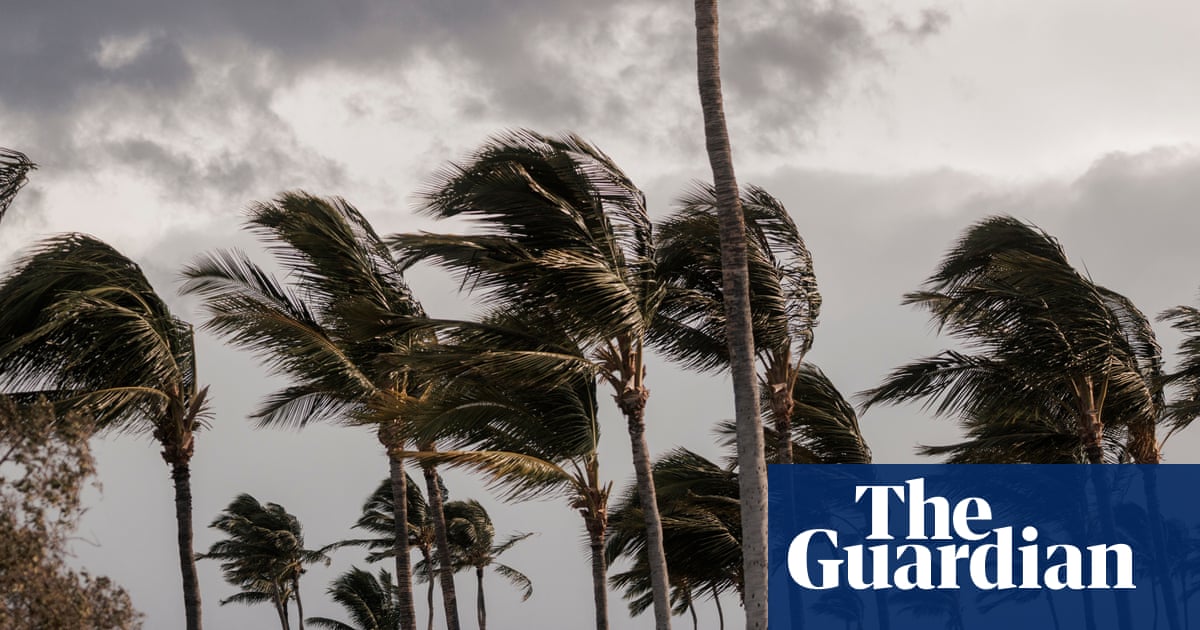
According to Cbc reporting and The Guardian, the storm forced flight postponements and damaged local infrastructure, leaving numerous households temporarily without power across the region. Hawaii Governor Josh Green confirmed that at least one fatality occurred in a car accident within the South Point area of the Big Island. Officials across the island chain urged residents to remain sheltered as emergency services monitored conditions. Whitecap surf slammed ashore nonstop, howling winds whipped the tops of palm trees, and waterways swelled with fast-moving run-off from relentless rain that blew nearly sideways.
Weather authorities reported maximum sustained winds near the centre of the storm, while forecasters warned that gusts atop mountainous terrain and higher elevations could reach significantly higher speeds. Prior to the storm's closest approach, Yahoo News detailed warnings from the Central Pacific Hurricane Center regarding life-threatening surf, potential storm surges, and extensive rainfall totals expected to trigger dangerous flash floods and mudslides, particularly in steep, mountainous areas. Higher elevations dominated by the towering Mauna Kea volcano could receive as much as 63.5 centimetres (25 inches) of rain, threatening people living off the grid in improvised housing.
Preparedness and Local Impacts
Communities across the island braced for the severe weather by stocking up on emergency supplies, securing property, and preparing backup power generators. Longtime residents emphasized a culture of self-reliance honed by previous storms. Bobby Camara, a 75-year-old lifelong resident just outside Hilo, noted that gas stations were exceptionally busy as people sought fuel for chainsaws and vehicles. Meanwhile, ranchers were advised to leave cattle in open pastures rather than vulnerable outbuildings that risked collapse under heavy winds, and local shelters were opened while events were cancelled.
Emergency preparations extended well beyond the Big Island. Tropical storm warnings and flood watches blanketed neighboring islands including Maui, Molokai, Lanai, Kahoolawe, Oahu, Kauai, and Niihau as the storm moved west. Municipal authorities in Honolulu activated round-the-clock non-emergency call lines to assist residents with weather updates and shelter information as the severe weather system advanced through the archipelago. Many Hawaii residents were already dealing with the aftermath of devastating floods from March.
Historical comparisons highlighted the rarity and potential danger of the event. Meteorologists noted that the last hurricane to make landfall in the Hawaiian islands was Hurricane Iniki in 1992, a destructive Category 4 storm that struck Kauai and caused billions of dollars in damage and multiple fatalities. Direct hits to the Big Island are rarer still, with researchers pointing to historical records from 1871 as previous benchmark events.
What to Watch Next
- Gradual weakening of Hurricane Lala as its circulation continues to interact with the terrain of the Big Island.
- Continued heavy rainfall and potential life-threatening mudslides across higher elevations and steep slopes through Sunday.
- Persistent high surf, dangerous rip currents, and coastal flooding along east- and south-facing shores as the system tracks westward away from the main Hawaiian islands.
- The progressive lifting of tropical storm warnings for western islands as the core of the storm moves further out to sea.
Additional background on regional weather patterns and ongoing emergency responses can be found via CBC, The Guardian, and Yahoo News.
How significant is this development?
Contribute your assessment to the aggregated reader sentiment ledger.
Frequently Asked Questions
Key questions answered in this reportWhat is the key development in: Hurricane Lala lashes Hawaii's Big Island with heavy rain, strong winds?
Hurricane Lala skirted Hawaii's Big Island without a direct landfall, lashing the region with torrential downpours and severe winds.
Why is this World development significant for the UK?
This report covers critical events in our World beat. Independent reporting monitors related UK statements, regulatory shifts, and public responses as further verified details emerge.
How was this reporting corroborated and verified?
Newsarchy UK compiles and cross-references reporting from primary reporting from cbc.ca and cross-checked wire reports. All coverage adheres to published editorial standards.
When was this report published?
This briefing was published on August 16, 2026 and is permanently cataloged in the Newsarchy UK World archives.