New Zealand makes 'English' an official language, drawing nationwide criticism
The New Zealand Parliament has officially enacted the English Language Bill, granting statutory recognition to English alongside existing official languages.

- Core Development: The New Zealand Parliament has officially enacted the English Language Bill, granting statutory recognition to English alongside existing official languages.
- Beat Context: Categorized under World with independent corroboration.
- Reporting Depth: 4 minute analytical read synthesized from verified newsroom sources.
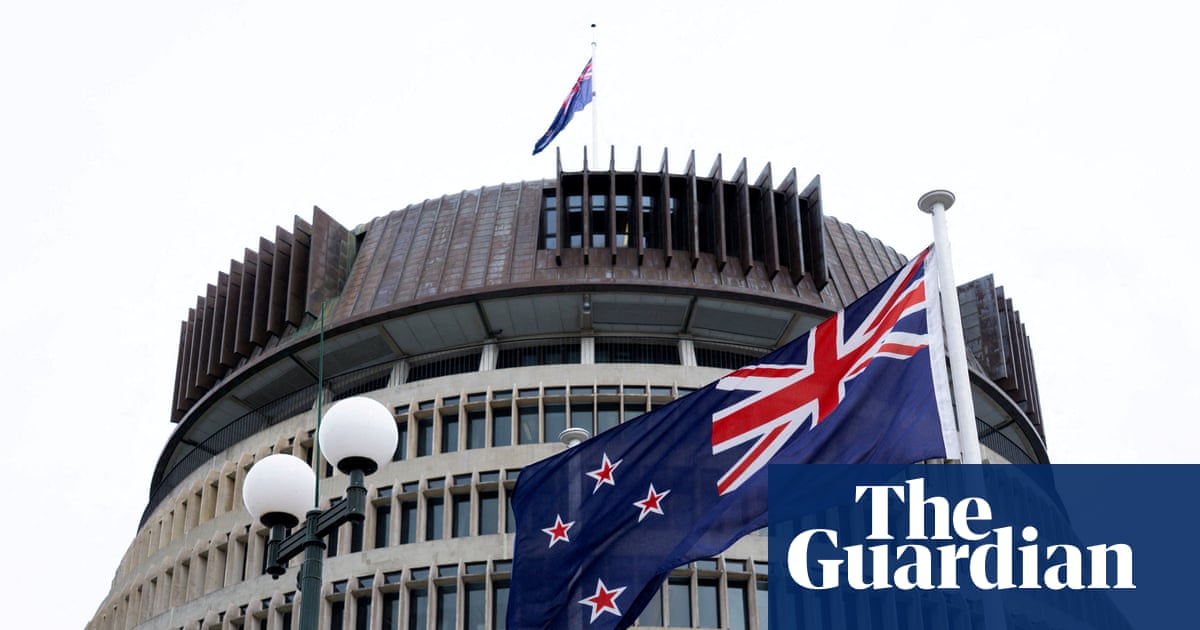
The New Zealand Parliament has formally enacted the English Language Bill, giving English official status for the first time. As detailed in reporting by The News and further explored by The Guardian, the legislation became law on 30 July, 2026. While English has long functioned as New Zealand’s primary de facto language, spoken by roughly 95% of the country, it previously lacked explicit statutory recognition. The new law places English alongside the country’s existing official languages: te reo Māori, which is recognised under the Māori Language Act 1987, and New Zealand Sign Language, which was recognised in 2006.
The legislation originated as part of a coalition deal between the centre-right National party and the minor populist New Zealand First party. To govern, the National party needed to strike deals with both New Zealand First and another minor party, Act. New Zealand First is led by Winston Peters, who also serves as the foreign affairs minister and has long opposed affirmative initiatives for Māori. Peters has previously argued that the bill was necessary because the use of Māori in public services was causing confusion.
Media additions
Before the law was passed, Ministry of Justice officials had recommended that lawmakers reject the bill. According to officials, there was “no evidence to support concerns about the use or status of English as an official language”. They noted that te reo Māori and New Zealand Sign Language had originally been given official status to protect linguistic minorities.
Despite these official recommendations, the coalition government and the major opposition Labour party voted in favour of the bill. Minor opposition parties, including the Green Party and Te Pāti Māori, voted against it. Labour previously stated that it was against the law, but ultimately voted for it in order to move on from a “needless culture war”. Proponents of the legislation argued that it provides legal clarity and honours a democratic commitment to a broad base of citizens.
The legislative process featured sharp clashes among parliamentarians. During the debate, Green MP Tamatha Paul delivered a speech criticising the measure that generated millions of views online. Paul called the bill a pathetic waste of the responsibility of this house
and described the coalition government as snowflakes
who saw the word Aotearoa—the Māori name for New Zealand—and shiver in their boots
.
Speaking on behalf of New Zealand First during the final reading, MP Casey Costello defended the measure against accusations that it was trivial or unnecessary.
"This is a practical measure. It aligns the statute book with longstanding practice, and provides a clear statement about the status of English within New Zealand’s official framework"
Casey Costello, MP, via The Guardian
Linguists and legal experts have heavily criticized the law, labeling the English language legislation as pathetic
and a pointless exercise
. Dr Sidney Wong, a linguist and post-doctoral fellow at the crown research centre Te Pūnaha Matatini, noted that official language status is typically reserved for languages in need of protection and services, whereas English faces no such threat.
"The main reason why this bill was put in place was based on ideology – there was this perception that English was under threat, that it doesn’t have the prestige, and it needs that sort of legislative protection. But it doesn’t need that"
Dr Sidney Wong, linguist and post-doctoral fellow at Te Pūnaha Matatini, via The Guardian
Dr Wong added that if the government genuinely wanted to protect English, it would fund research into how New Zealanders speak the language, rather than enacting a short measure that benefits no one. Dr Dean Knight, a law professor at Victoria University of Wellington, similarly described the statute as a pointless exercise that makes no legal or practical difference because English is already the dominant language. According to Dr Knight, individuals excited by the performative law-making will be disappointed to discover it does not mandate priority for English in government communications.
The legislation itself consists of a brief statement declaring, English is an official language of New Zealand.
The text specifies that the measure does not impose new operational mandates on public agencies or courts, nor does it alter the legal protections or status afforded to Te reo Māori or New Zealand Sign Language.
Key Elements of the New Official Language Law
- Passage Date: Enacted on 30 July, 2026, sparking a new wave of criticism.
- Demographic Context: English functions as New Zealand’s primary de facto language, spoken by roughly 95% of the population.
- Political Origin: Formed as part of a coalition agreement between the National party and New Zealand First, led by Winston Peters.
- Legal Effect: Places English alongside te reo Māori and New Zealand Sign Language without altering existing legal protections or adding new operational mandates for public agencies and courts.
How significant is this development?
Contribute your assessment to the aggregated reader sentiment ledger.
Frequently Asked Questions
Key questions answered in this reportWhat is the key development in: New Zealand makes 'English' an official language, drawing nationwide criticism?
The New Zealand Parliament has officially enacted the English Language Bill, granting statutory recognition to English alongside existing official languages.
Why is this World development significant for the UK?
This report covers critical events in our World beat. Independent reporting monitors related UK statements, regulatory shifts, and public responses as further verified details emerge.
How was this reporting corroborated and verified?
Newsarchy UK compiles and cross-references reporting from primary reporting from theguardian.com and cross-checked wire reports. All coverage adheres to published editorial standards.
When was this report published?
This briefing was published on August 3, 2026 and is permanently cataloged in the Newsarchy UK World archives.