Russia and North Korea open first road bridge over Tumen River
Russia and North Korea have opened their first road bridge across the Tumen River, a project officials say will boost trade but which analysts fear may serve military logistics.
- Core Development: Russia and North Korea have opened their first road bridge across the Tumen River, a project officials say will boost trade but which analysts fear may serve military logistics.
- Beat Context: Categorized under World with independent corroboration.
- Reporting Depth: 3 minute analytical read synthesized from verified newsroom sources.
Russia and North Korea opened their first road bridge across the Tumen River on Monday, 7 September 2026, creating a new physical link between the two heavily sanctioned nations. The opening ceremony on 7 September 2026 featured flag-adorned trucks crossing the structure while crowds applauded, an event captured by the Government of Primorsky Krai Region and reported by AP News.
The bridge links Khasan in Russia’s Far East to Tumangang in North Korea, spanning a remote stretch of borderland. It sits adjacent to the Friendship Bridge, a rail crossing commissioned in 1959 that had served as the sole border link between the two countries for decades. Before the completion of the new road bridge, border officials had relied on laying makeshift planks over the rail tracks to move vehicles across. The newly opened structure is approximately 1 kilometre long, features two lanes, and is designed to accommodate up to 300 vehicles daily while connecting directly to Russia’s federal road network, according to the Russian government, TASS, and Al Jazeera.
Media additions
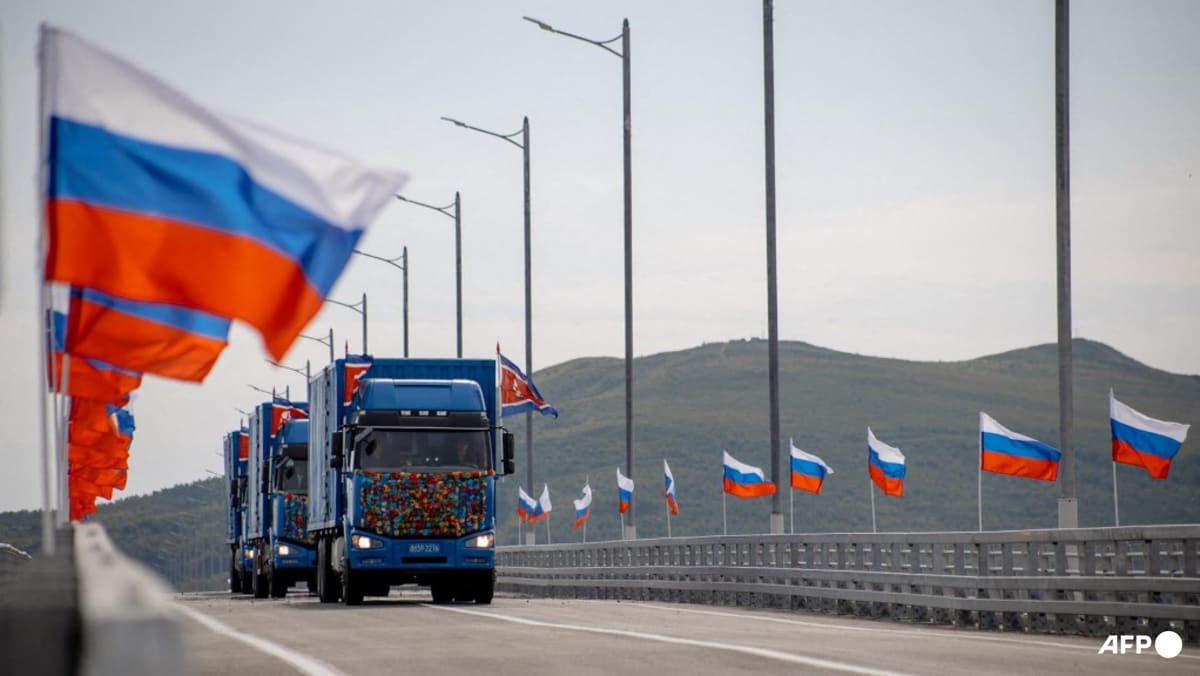
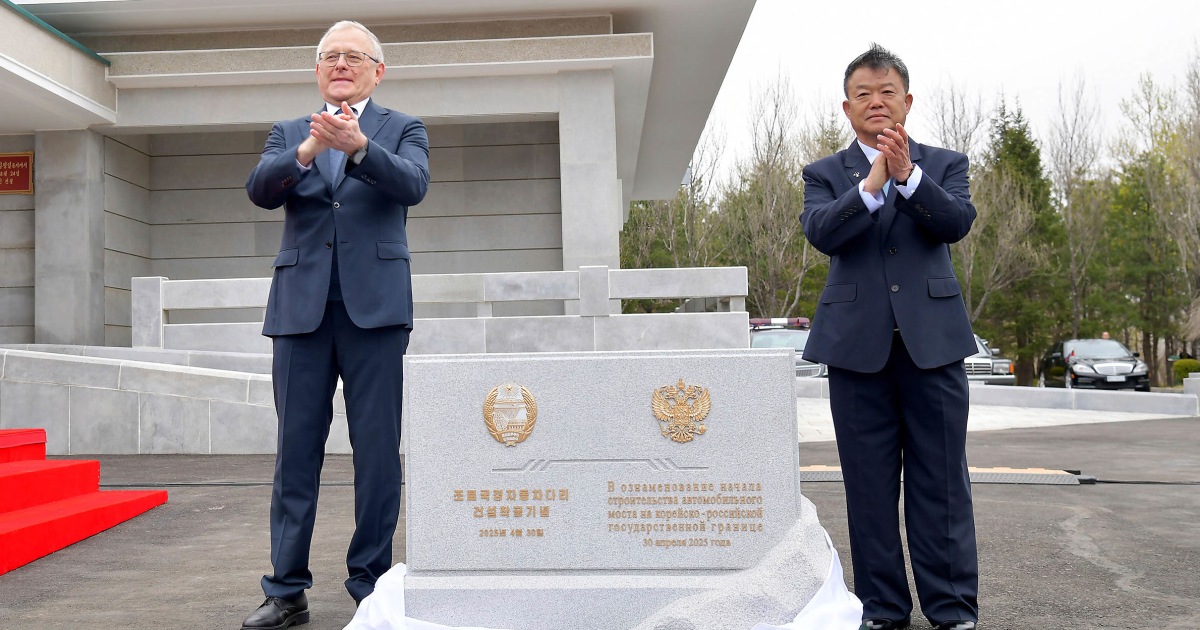
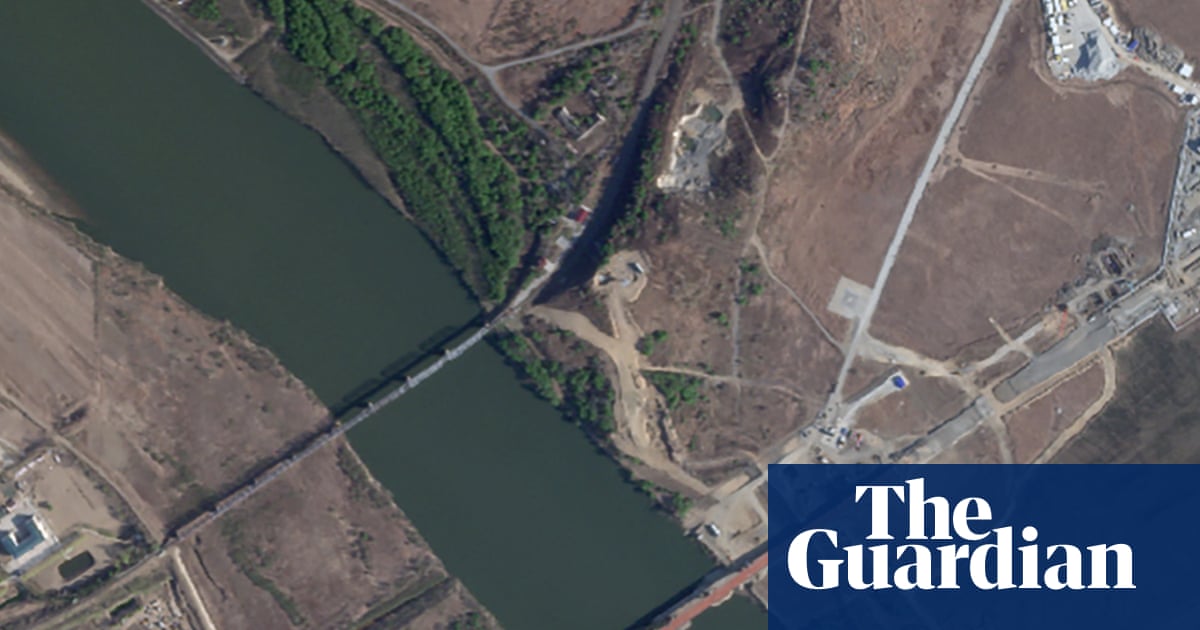
Construction on the bridge began in April last year following an agreement reached during President Vladimir Putin’s visit to Pyongyang in 2024. In addition to the main span, the infrastructure includes approach roads and a helicopter landing pad on the Russian side.
Russian Prime Minister Mikhail Mishustin, who participated in the opening ceremony via video link, stated that the project would bolster trade, economic, scientific, technological, and cultural cooperation, while also creating new jobs and boosting tourism. Mishustin remarked during the ceremony, as cited by TASS:
Mishustin further alluded to military ties during his address, referring to the Korean soldiers who recently fought alongside Russian forces to defend Russian soil. North Korea’s Premier Pak Thae Song, who also addressed the event remotely, stated that the bridge would further cement bilateral cooperation to fulfill the aspirations of both peoples, according to TASS and Al Jazeera."I am convinced that the expansion of cross-border transport infrastructure will provide a powerful impetus for the further development of trade, economic, scientific, technological and cultural cooperation."
Mishustin, via TASS
The bridge has been named after Yakov Novichenko, a Red Army officer whom Pyongyang credits with saving North Korea’s founding leader, Kim Il-sung, by intercepting a grenade in 1946. Outlets including Al Jazeera, SCMP, and Modern Diplomacy have described the crossing as a new symbol of friendship.
Both governments have publicly emphasized the commercial and tourism benefits of the crossing. Cargo transport began immediately on opening day, and passenger traffic is scheduled to become fully operational by the end of the year, according to Al Jazeera. Russian tourism to North Korea has been permitted since February 2024 amid easing pandemic restrictions.
However, analysts and open-source researchers have raised concerns that the infrastructure may serve a military purpose. According to an investigation by the Ukrainian human rights group Truth Hounds, shared with The Guardian, the bridge’s economic rationale appears weak when compared against its construction cost—estimated at over $100 million—and bilateral trade figures reported at $34 million for 2024. Nazar Myhun, who led the research at Truth Hounds, stated that the road crossing makes it significantly easier to evade Western satellite monitoring compared to rail networks, pointing out that trucks are harder to identify in imagery than railcars and can be loaded at arbitrary locations rather than fixed hubs. The investigation suggests the corridor is intended to facilitate the movement of North Korean troops, construction brigades, military officials, and Russian technology.
The opening of the road bridge arrives amid a dramatic deepening of ties since Russia launched its offensive in Ukraine in 2022. North Korea has supplied artillery ammunition, missiles, and thousands of troops to support Russian forces, including a deployment to the Kursk region in 2024 following a Ukrainian incursion. The two nations also signed a comprehensive strategic partnership and defense treaty in 2024 that provides for mutual support if either country is attacked.
What happens next: Cargo transport is already underway, and passenger traffic across the bridge is projected to become fully operational by the end of 2026. Researchers and analysts will continue to monitor satellite imagery and trade volumes to determine whether the corridor is utilized primarily for civilian commerce or military logistics.
How significant is this development?
Contribute your assessment to the aggregated reader sentiment ledger.
Frequently Asked Questions
Key questions answered in this reportWhat is the key development in: Russia and North Korea open first road bridge over Tumen River?
Russia and North Korea have opened their first road bridge across the Tumen River, a project officials say will boost trade but which analysts fear may serve military logistics.
Why is this World development significant for the UK?
This report covers critical events in our World beat. Independent reporting monitors related UK statements, regulatory shifts, and public responses as further verified details emerge.
How was this reporting corroborated and verified?
Newsarchy UK compiles and cross-references reporting from primary reporting from apnews.com and cross-checked wire reports. All coverage adheres to published editorial standards.
When was this report published?
This briefing was published on September 8, 2026 and is permanently cataloged in the Newsarchy UK World archives.