Air India pilot tests positive for drugs in AAIB Phuket flight probe
An Aircraft Accident Investigation Bureau report reveals that the pilot-in-command of an Air India flight tested positive for a psychoactive substance following a sudden altitude drop.
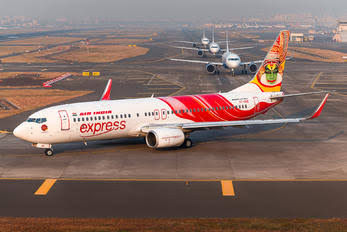
- Core Development: An Aircraft Accident Investigation Bureau report reveals that the pilot-in-command of an Air India flight tested positive for a psychoactive substance following a sudden altitude drop.
- Beat Context: Categorized under Business with independent corroboration.
- Reporting Depth: 3 minute analytical read synthesized from verified newsroom sources.
An investigation into a sudden altitude drop aboard an Air India flight has revealed that the pilot-in-command tested positive for a psychoactive substance in a confirmatory test, according to a preliminary report released on Friday, September 4, 2026, by the Aircraft Accident Investigation Bureau.
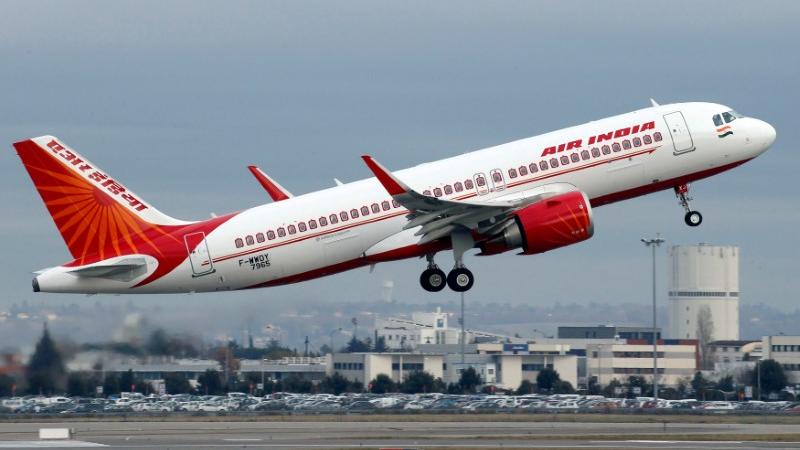
The event, which was initially classified as severe turbulence before being reclassified as an accident due to multiple injuries and cabin damage, took place on August 4, 2026. Flight AI-2379 — an Airbus A320-251N registered as VT-EXO — was carrying 145 people, including 137 passengers, six cabin crew, and two pilots, according to reporting. The aircraft was cruising at Flight Level 360 in the Kolkata FIR at 04:02 UTC when it experienced a sequential failure of its primary systems.
Media additions

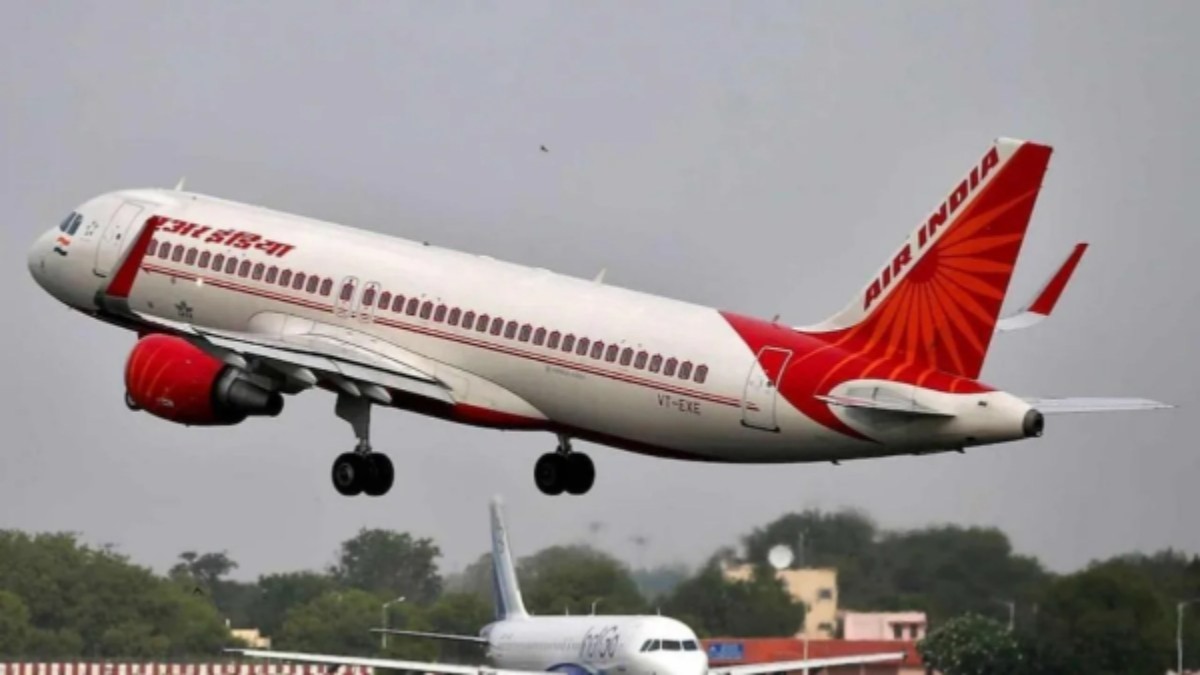
According to the AAIB preliminary report, the flight control system detected a loss of the green hydraulic system, followed within four seconds by the loss of the blue and yellow systems. The autopilot disengaged, a continuous repetitive chime sounded, and a stall warning triggered for two seconds. The co-pilot, who was acting as the pilot flying, initially responded before the pilot-in-command took over. During the altitude upset, the aircraft gained 372 feet before dropping 292 feet.
Within seconds, hydraulic pressure recovered, restoring flight control surfaces and allowing the aircraft to return to normal operations. The crew chose to continue to Delhi rather than divert, requesting medical priority and landing safely on Runway 11L at Indira Gandhi International Airport at 11:07 AM IST. Prior to departure from Phuket, the aircraft had been operating under a Minimum Equipment List item concerning an inoperative Power Transfer Unit invoked on July 28, 2026. The investigation notes that an A320 possesses three independent hydraulic systems, green, blue, and yellow, while the Power Transfer Unit provides an additional power source for the green and yellow systems when required without transferring hydraulic fluid between them. No adverse weather conditions were reported at the time of the incident, though forecasts had indicated the possibility of thunderstorms later.
Because the flight originated outside India, both flight crew members underwent mandatory post-flight medical screening upon arrival in Delhi under Para 4.2.3 of DGCA CAR Section 5, Series F Part III. Breath-analyser examinations for alcohol were satisfactory for both crew members. However, subsequent screening using a psychoactive substance detection kit returned a non-negative result for the pilot-in-command, while the co-pilot tested negative. Blood samples sent to a pathological laboratory confirmed the non-negative result for the captain, while the co-pilot's sample remained negative in both tests.
The AAIB flagged the confirmation of psychoactive substance use as a serious concern and recommended that the Directorate General of Civil Aviation take appropriate action on priority to prevent abuse. At the same time, the preliminary report does not establish that the captain's test result caused the hydraulic failure or the altitude upset. Investigators have not yet concluded that the substance played a role in the aircraft's sudden altitude loss.
The sudden altitude fluctuation occurred while the seat-belt sign was switched off, resulting in 24 individuals receiving medical attention upon arrival. Twenty passengers and four cabin crew members suffered injuries mainly caused by impact with overhead storage bins and ceiling panels. Four people were hospitalised with serious injuries, while twenty were discharged after initial treatment for minor injuries. The cabin sustained significant non-structural damage, including cracked or dislodged stowage bins, dislocated ceiling panels, broken handrails, damaged Passenger Service Units, an uprooted lavatory commode, and damaged crew seats. No overall airframe structural damage was reported.
In response to the findings, Air India stated that it is cooperating with the investigation and has begun voluntary testing of all its pilots. The airline emphasized that safety remains its highest priority and maintains zero tolerance for breaches of safety, fitness, or regulatory requirements.
Investigation and Next Steps
- Investigators have downloaded data from the Solid-State Flight Data Recorder and Solid-State Cockpit Voice Recorder.
- Technical experts from Airbus and France's Bureau d'Enquêtes et d'Analyses inspected the aircraft between August 13 and August 15.
- Hydraulic components and fluid samples have been removed for laboratory testing.
- The AAIB technical investigation remains active, with a final report expected to determine the root cause, contributing factors, and operational or human factors of the triple hydraulic failure.
How significant is this development?
Contribute your assessment to the aggregated reader sentiment ledger.
Frequently Asked Questions
Key questions answered in this reportWhat is the key development in: Air India pilot tests positive for drugs in AAIB Phuket flight probe?
An Aircraft Accident Investigation Bureau report reveals that the pilot-in-command of an Air India flight tested positive for a psychoactive substance following a sudden altitude drop.
Why is this Business development significant for the UK?
This report covers critical events in our Business beat. Independent reporting monitors related UK statements, regulatory shifts, and public responses as further verified details emerge.
How was this reporting corroborated and verified?
Newsarchy UK compiles and cross-references reporting from primary reporting from theshillongtimes.com and cross-checked wire reports. All coverage adheres to published editorial standards.
When was this report published?
This briefing was published on September 4, 2026 and is permanently cataloged in the Newsarchy UK Business archives.