Boom in weight-loss drugs could lead to drop in beer sales, Heineken warns British pubs
Heineken has warned British hospitality clients that popular weight-loss medications like Ozempic and Wegovy could reduce traditional beer sales by dampening alcohol cravings.
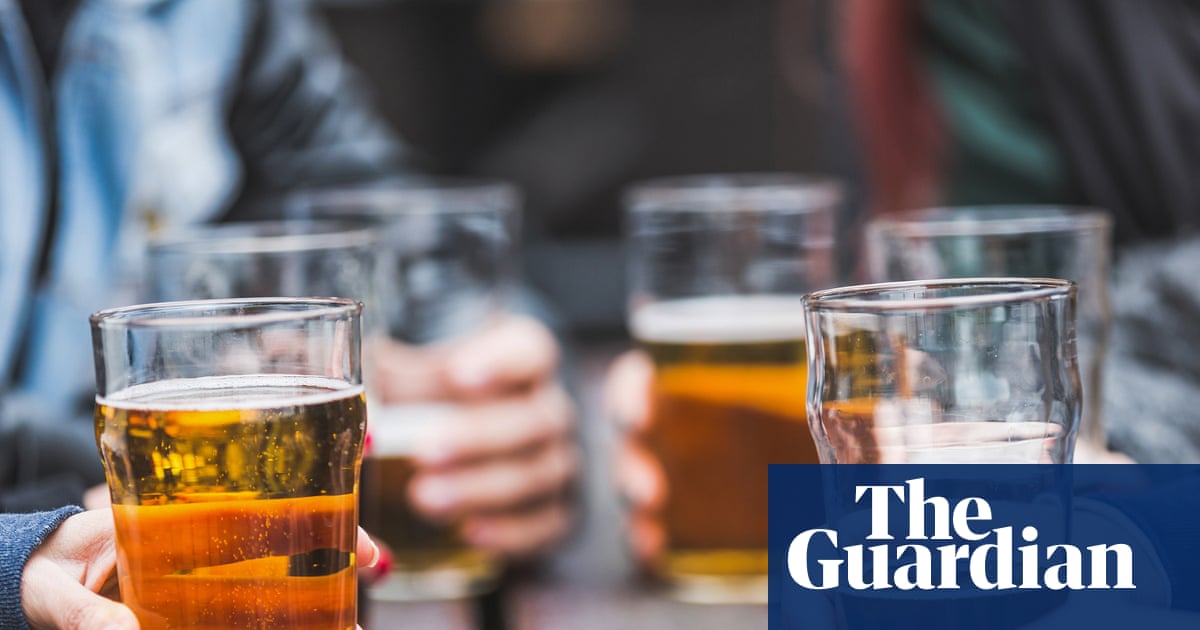
- Core Development: Heineken has warned British hospitality clients that popular weight-loss medications like Ozempic and Wegovy could reduce traditional beer sales by dampening alcohol cravings.
- Beat Context: Categorized under Business with independent corroboration.
- Reporting Depth: 3 minute analytical read synthesized from verified newsroom sources.
The rapid rise of weight-loss medications is casting a long shadow over the British pub trade, as Heineken warns that treatments such as Ozempic and Wegovy could permanently alter traditional drinking habits. According to reporting highlighted by Devdiscourse and ET BrandEquity, the world's second-largest brewer distributed an internal presentation to British hospitality clients advising venues to adapt their product offerings or risk significant revenue drops. The medications, which mimic the GLP-1 hormone, are reshaping consumer appetites across multiple sectors, but their potential to dampen alcohol cravings poses a direct challenge to the time-honoured multi-pint pub session.
The core of the brewer's concern stems from how GLP-1 receptor agonists interact with the human body. As detailed by Whalesbook, academic research indicates these drugs can fundamentally alter the brain’s reward system, dampening the motivation to drink. Users frequently report that alcohol leaves them feeling uncomfortably full or physically unwell. Market research from Circana indicates that US households with a GLP-1 user reduced their monthly alcohol expenditure compared to non-using households, spending roughly 13.5 percent less on beer after two years on the medication. This shift arrives at a delicate time for the UK hospitality market, where beer sales reached nearly £14bn in British pubs, bars, and restaurants in the year leading up to February 2026, with low- and no-alcohol options accounting for less than £300m of that total, according to Heineken UK data cited by The Guardian.
Media additions

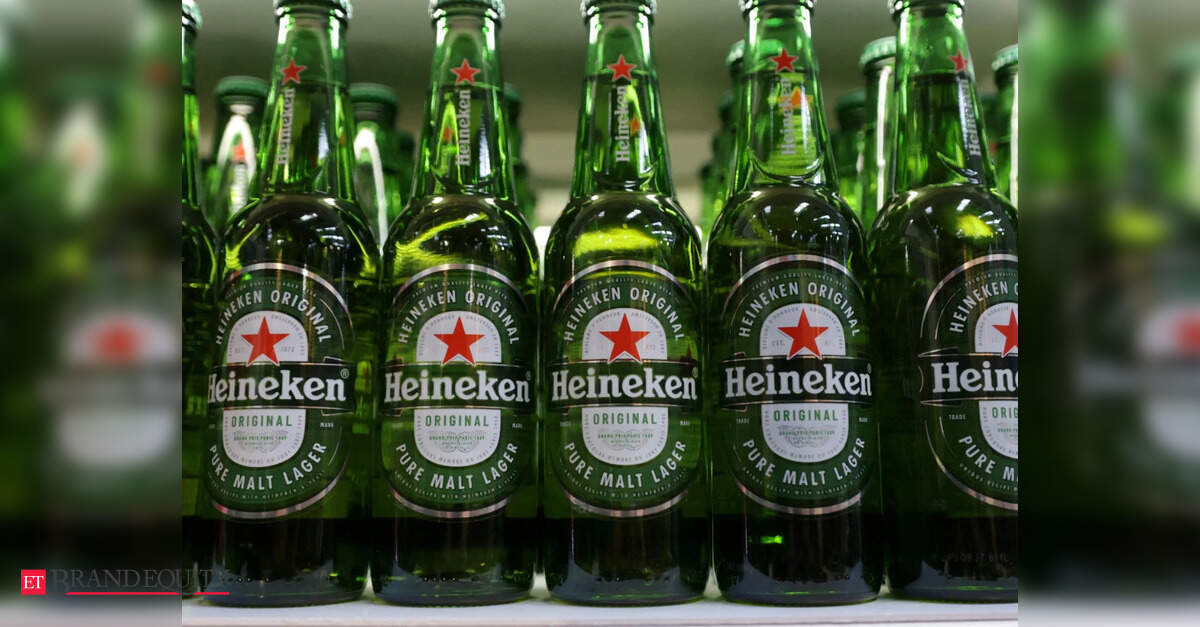
To help venue operators navigate this evolving landscape, Heineken has outlined specific tactical adjustments. The brewer recommends that pubs prioritize smaller serving sizes, such as half-pints, expand their selections of low- and zero-alcohol beverages, and pair drinks with small plates of food. A Heineken spokesperson noted that consumer habits are shifting toward moderation, health, and intentional consumption, mirroring broader trends observed across global markets. At the same time, the wider beverage industry exhibits a range of responses to the phenomenon. While spirits giant Diageo has informed investors that any disruptions from mainstream GLP-1 usage should remain manageable, Carlsberg has maintained that current data does not yet substantiate the claim that weight-loss drugs are a primary driver behind falling beer consumption trends.
| Industry Player | Stance on GLP-1 Impact | Proposed Strategic Response |
|---|---|---|
| Heineken | High concern; warns of reduced beer volumes and "fullness and fewer serves" | Promote half-pints, non-alcoholic options, and small plates |
| Diageo | Views potential impacts as manageable even with widespread adoption | Monitor investor relations and portfolio balance |
| Carlsberg | Skeptical; argues existing data does not support a clear trend | Maintain standard data tracking and market observation |
Beyond the hospitality sector, the pharmacological boom is rewriting dietary rules across the consumer goods landscape. As reported by Kelo, the muscle-wasting side-effects of GLP-1 medications have triggered an unprecedented demand for high-protein foods, spanning protein-infused bottled waters, snack items, and specialized coffees. Yet, this surge in nutritional products is increasingly met with consumer skepticism. Marketing research from NielsenIQ reveals that a growing share of shoppers are utilizing scanning apps to scrutinize nutritional labels and question inflated protein claims made by major food manufacturers. Medical experts quoted in industry surveys caution that the commercialization of protein-heavy snacks has occasionally crossed into ultra-processed territory, pushing consumers to demand greater transparency from brands.
For British pub owners and global beverage executives alike, the immediate future hinges on monitoring how consumer choices mature. As The Guardian notes, Heineken plans to closely track how these consumption behaviours evolve through 2027. Stakeholders across the business sector will be watching closely to see if non-alcoholic portfolios can successfully bridge the revenue gap left by declining traditional alcohol volumes, or if the hospitality industry must fundamentally reinvent the traditional British pub experience.
How significant is this development?
Contribute your assessment to the aggregated reader sentiment ledger.
Frequently Asked Questions
Key questions answered in this reportWhat is the key development in: Boom in weight-loss drugs could lead to drop in beer sales, Heineken warns British pubs?
Heineken has warned British hospitality clients that popular weight-loss medications like Ozempic and Wegovy could reduce traditional beer sales by dampening alcohol cravings.
Why is this Business development significant for the UK?
This report covers critical events in our Business beat. Independent reporting monitors related UK statements, regulatory shifts, and public responses as further verified details emerge.
How was this reporting corroborated and verified?
Newsarchy UK compiles and cross-references reporting from primary reporting from theguardian.com and cross-checked wire reports. All coverage adheres to published editorial standards.
When was this report published?
This briefing was published on October 23, 2026 and is permanently cataloged in the Newsarchy UK Business archives.