Alternative battery tech including sand and sweat trials gain momentum
Innovative energy storage projects using sand, molten salt, and enzymatic patches are gaining momentum as alternatives to lithium-ion batteries. These technologies aim to address renewable energy intermittency and decarbonize industrial heating.
- Core Development: Innovative energy storage projects using sand, molten salt, and enzymatic patches are gaining momentum as alternatives to lithium-ion batteries. These technologies aim to address renewable energy intermittency and decarbonize industrial heating.
- Beat Context: Categorized under Business with independent corroboration.
- Reporting Depth: 3 minute analytical read synthesized from verified newsroom sources.
Developers globally are scaling alternative energy storage technologies to address the inherent intermittency of solar and wind power, moving beyond standard lithium-ion limitations. From desert-based molten salt thermal reservoirs to Finnish sand batteries and Japanese enzymatic patches, these diverse approaches aim to provide long-duration grid stability and specialized power applications without reliance on critical, supply-constrained minerals like lithium, cobalt, and nickel.
Grid-Scale Innovations
In the deserts of the United Arab Emirates, a project spanning an area comparable to 12,600 football fields currently integrates 5.2GW of solar capacity with 19GWh of battery storage. This initiative is designed to provide clean power to roughly 500,000 homes throughout the night, according to reports from The Guardian and Newsdive.
Media additions

Closer to home, the Carrington “liquid air” cryobattery project in Trafford, Greater Manchester, is preparing for operations slated for the end of the year. Developed by Highview Power, the facility cools air to -196C to reduce its volume, storing the liquid until energy demand spikes. Upon release, the rapidly expanding gas drives a turbine to generate electricity, providing 300MWh of storage and a 50MW output.
The Role of Molten Salt
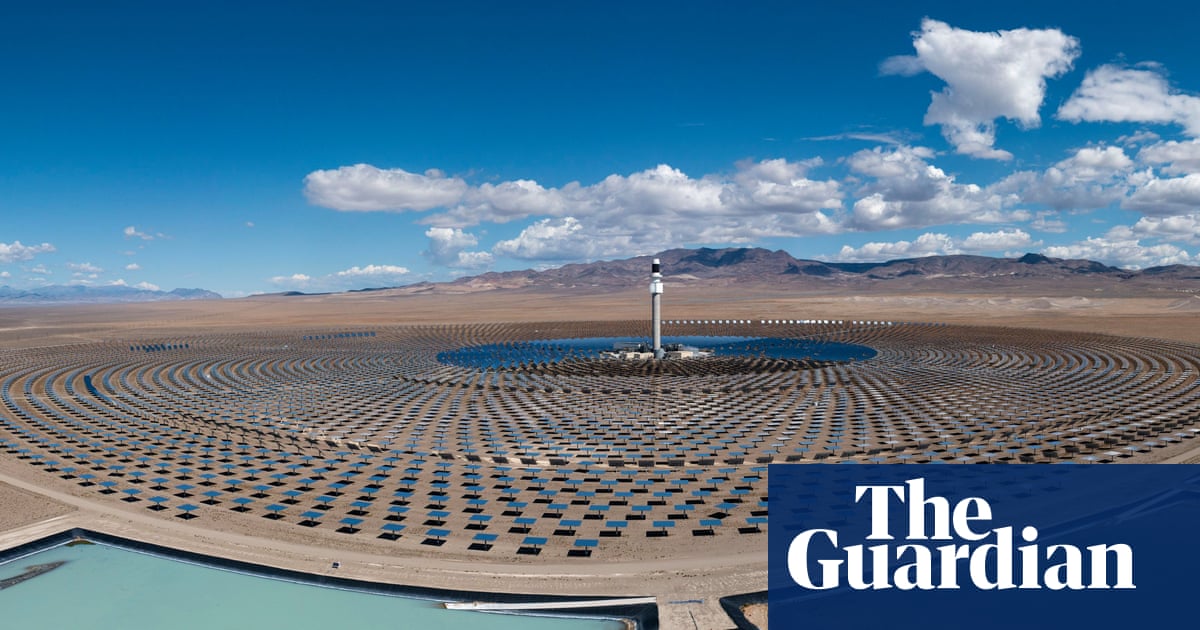
Molten salt storage has gained traction as a method to decarbonize industrial heat and balance electrical grids. The Crescent Dunes scheme in the Nevada desert has for 10 years utilized 10,000 solar panels to heat a potassium and sodium nitrate reservoir to 560C, maintaining thermal energy for up to 10 hours post-sunset. Similarly, a 1GWh project in Denmark, developed by Hyme Energy and Sulzer, demonstrated the capability to store energy for up to two weeks by heating salts to 600C, providing high-temperature steam for industrial clients such as Arla Foods.
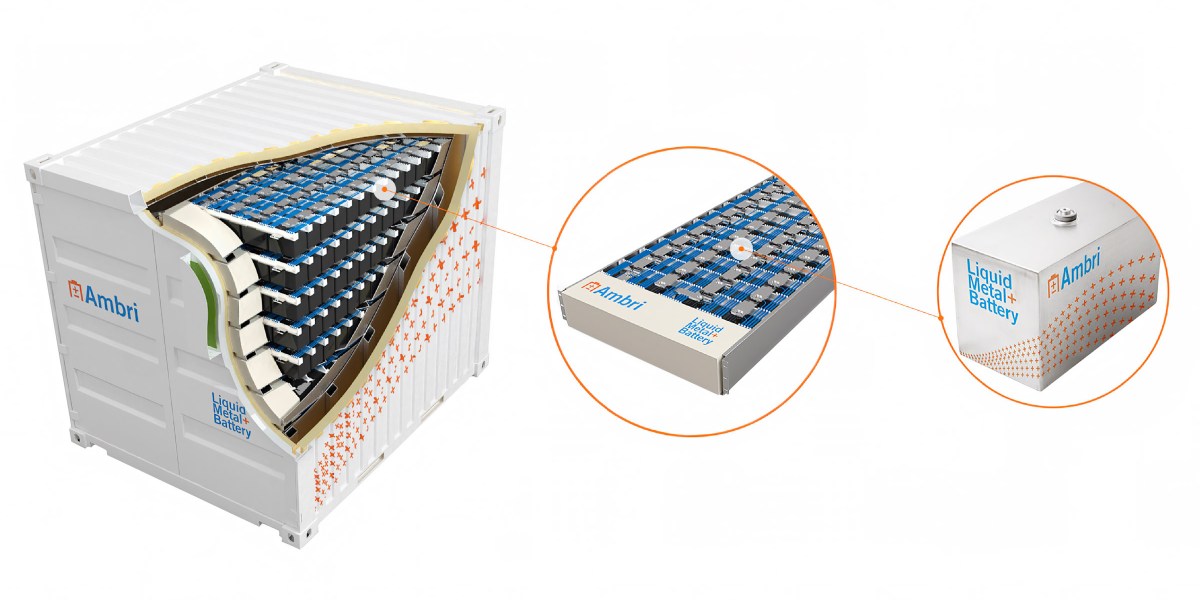
While advocates highlight these systems’ 20-year service life and material abundance, Flashbattery experts note that molten salt technology—often categorized as sodium metal chloride (SMC) batteries—is not without challenges. These batteries require constant heating to 250C–300C to remain operational. If left disconnected, they experience significant self-discharge, consuming their own energy to maintain internal temperatures. Consequently, industry analysts suggest they are best suited for 2-to-10-hour backup windows rather than automotive or short-duration uses where lithium-ion chemistry maintains higher efficiency.
Small-Scale and Novel Storage
Efforts are also underway to miniaturize energy storage for specialized use. Researchers at the National Renewable Energy Laboratory in Colorado are developing batteries intended to power electronic tags for tracking juvenile salmon and eel species, measuring approximately 3 inches in length. In Japan, scientists at the Tokyo University of Science are investigating thin wearable patches that utilize enzymatic biofuel cells to convert lactate in human sweat into electricity, aiming to power sensors without bulky, conventional batteries.
Meanwhile, in Pornainen, Finland, a thermal storage system using 2,000 tonnes of crushed soapstone acts as a large-scale sand battery. Standing 13 metres tall, the unit stores 100MWh of heat, allowing the town to significantly reduce reliance on oil and wood chips for district heating.
Comparison of Storage Technologies
| Technology | Primary Material | Common Use Case | Key Characteristic |
|---|---|---|---|
| Lithium-ion | Lithium, Cobalt, Nickel | Portable, EVs, Grid | High power density |
| Molten Salt (MSB) | Sodium, Salts, Ceramics | Grid-scale, Industrial heat | High thermal stability |
| Sand/Thermal | Soapstone, Sand | District heating | Long-duration storage |
| Cryobattery | Air | Grid-scale | Emissions-free expansion |
What to Watch Next
Industry observers are monitoring the following developments:
- Industrial Integration: Construction of the 200MWh site in Holstebro, Denmark, continues as a key test for replacing natural gas in large-scale food processing.
How significant is this development?
Contribute your assessment to the aggregated reader sentiment ledger.
Frequently Asked Questions
Key questions answered in this reportWhat is the key development in: Alternative battery tech including sand and sweat trials gain momentum?
Innovative energy storage projects using sand, molten salt, and enzymatic patches are gaining momentum as alternatives to lithium-ion batteries. These technologies aim to address renewable energy intermittency and decarbonize industrial heating.
Why is this Business development significant for the UK?
This report covers critical events in our Business beat. Independent reporting monitors related UK statements, regulatory shifts, and public responses as further verified details emerge.
How was this reporting corroborated and verified?
Newsarchy UK compiles and cross-references reporting from primary reporting from theguardian.com and cross-checked wire reports. All coverage adheres to published editorial standards.
When was this report published?
This briefing was published on July 19, 2026 and is permanently cataloged in the Newsarchy UK Business archives.