assistant We need to produce a single headline, max 75 characters, specific (subject + development), front-load…
U.S. diesel prices surged to a record $5.85 per gallon amid the Iran conflict, driven by supply chain disruptions, production cuts, and bottlenecks in the Strait of Hormuz.
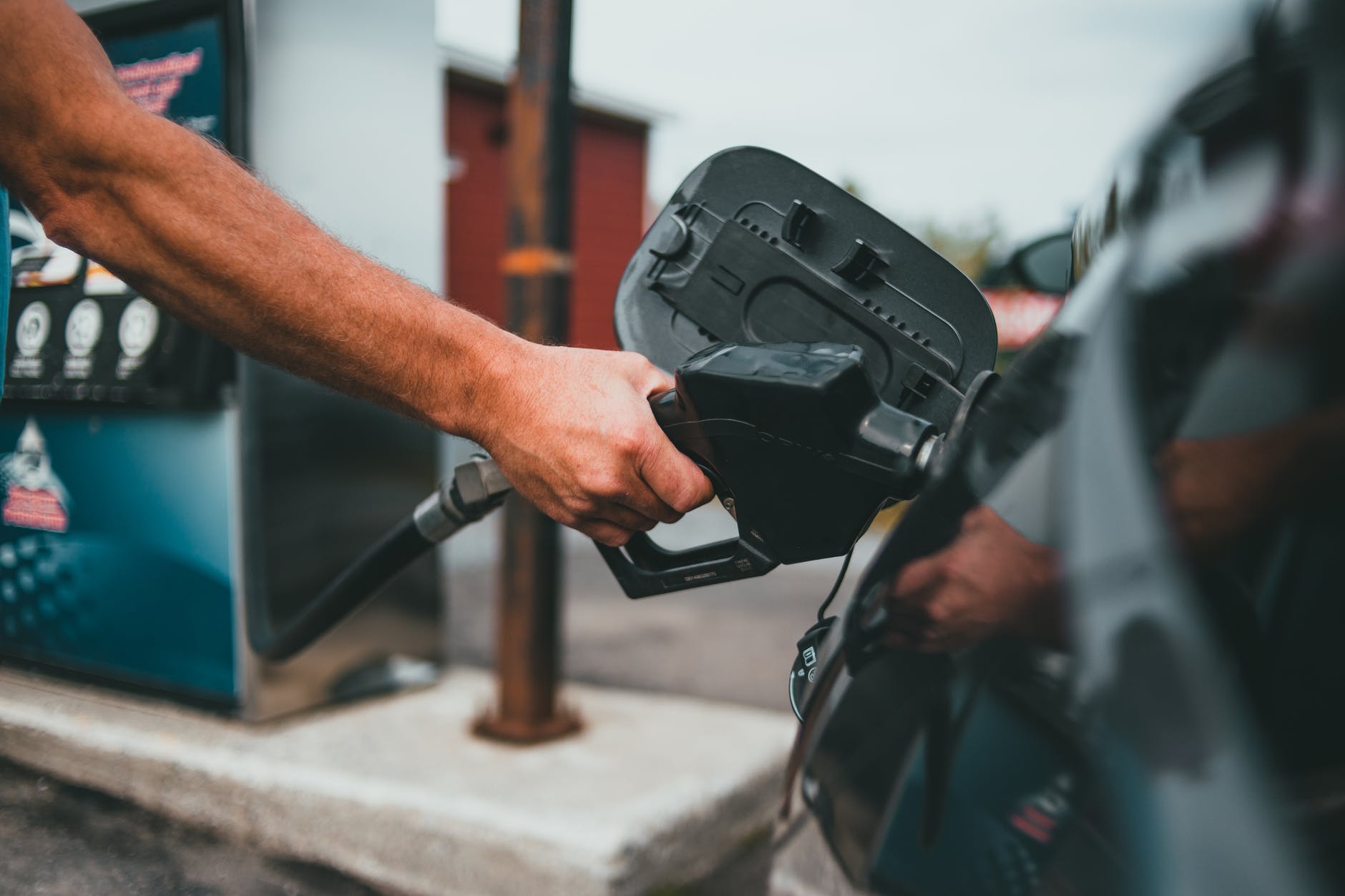
- Core Development: U.S. diesel prices surged to a record $5.85 per gallon amid the Iran conflict, driven by supply chain disruptions, production cuts, and bottlenecks in the Strait of Hormuz.
- Beat Context: Categorized under Business with independent corroboration.
- Reporting Depth: 4 minute analytical read synthesized from verified newsroom sources.
US Diesel Hits Record $5.85 a Gallon as Iran War Drives Fuel Prices
On Friday, April 7, 2026, diesel prices in the United States surged to an average of $5.85 per gallon, the highest level ever recorded.
According to the Associated Press and Whdh, the average diesel price climbed from about $3.76 per gallon before the war to $5.85 after the latest flare‑up. The surge is largely attributed to supply chain disruptions, production cuts across the Middle East, and bottlenecks in the Strait of Hormuz, which has historically been a critical artery for tanker traffic.
Brent crude, the international benchmark for oil, was trading above $95 a barrel on the day diesel hit its peak, up from roughly $70 before the conflict. Gasoline prices followed suit, reaching an average of $4.15 per gallon, well below the $5.02 peak seen in June 2022 but still higher than the $2.98 average before the war.
Diesel powers a vast array of transportation modes — trucks, trains, ships, and even some public transit buses — making it a linchpin of the supply chain. Fuel accounts for roughly 15 % to 30 % of the total cost of food, according to the Independent Grocers Alliance, a grouping of 7,500 global supermarkets. As a result, higher diesel costs are already starting to push up prices for perishable items such as produce, meat, and seafood. In July, overall U.S. Grocery prices were up 2.7 % compared with the same month last year, with seafood prices up 7 % and fresh fruit up 4.9 %.
Business leaders have not been immune. Amazon introduced a temporary 3.5 % fuel and logistics surcharge on some third‑party sellers in April, while United Parcel Service, FedEx, and the United States Postal Service added fees on certain packages. “Early on, much of the cost increase gets absorbed along the supply chain through existing freight contracts and retailer margins,” said David Ortega, a professor of food economics and policy at Michigan State University. “But as contracts reprice and fuel surcharges take hold, more of that cost makes its way to the grocery store.”
Ajesh Kapoor, chief executive officer and founder of trucking technology company SemiCab, cautioned that while the trucking sector can adapt to price swings, there is a limit. “Diesel price has a very, very direct impact on everything that moves on pretty much any mode,” Kapoor said.
Experts warn that the crisis could deepen. Neil Atkinson, energy analyst and senior fellow at the National Center for Energy Analytics, highlighted that refined products like diesel are becoming more expensive as physical stocks dwindle. “This is gradually becoming a major crisis because A) the prices themselves are very high, but the physical stocks of these products are dwindling,” he explained in a briefing with maritime data firm Lloyd’s List Intelligence. “This cannot go on forever.”
Politically, the surge could add to Republicans’ challenges ahead of the November midterm elections. “This could add to Republicans’ political challenges ahead of November’s midterm elections,” noted the Associated Press, citing AP‑NORC polling that showed two out of three U.S. Adults disapproved of President Donald Trump’s handling of the economy.
Looking back, the current record is not the first time diesel prices have spiked. In June 2022, diesel reached nearly $5.82 per gallon on average, months after the Ukraine war began and sanctions were imposed on Russia, a leading oil producer. Adjusted for inflation, the 2008 peak of $4.74 per gallon would be about $7.20 in 2026, while the 2022 record would be about $6.56 this year.
For consumers, the immediate impact is felt most acutely in the grocery aisle. Items that must remain refrigerated or are harvested with diesel‑powered equipment are likely to see price increases first. Over time, the cost burden may spread to clothing, cosmetics, furniture, and other goods that rely on diesel‑powered transport.
What to watch next
- Monitor fuel price trends on a weekly basis, as fluctuations can quickly alter supply‑chain costs.
- Track the implementation of fuel surcharges by major logistics providers; these fees may be passed to consumers.
- Watch for any policy responses from the U.S. Government aimed at stabilising fuel supplies or mitigating transport cost spikes.
- Pay attention to midterm election polling, as fuel price volatility could shape voter sentiment.
Timeline of Key Events
| Date | Event |
|---|---|
| Late February 2026 | U.S. And Israel launch military action against Iran, sparking a six‑month conflict. |
| April 7 2026 (Friday) | Diesel reaches an average of $5.85 per gallon, the highest on record. |
| April 2026 | Amazon implements 3.5 % fuel surcharge on select third‑party sellers. |
| July 2026 | U.S. Grocery prices up 2.7 % year‑over‑year; seafood up 7 %, fresh fruit up 4.9 %. |
As the war with Iran continues, the United States faces a precarious fuel landscape.
How significant is this development?
Contribute your assessment to the aggregated reader sentiment ledger.
Frequently Asked Questions
Key questions answered in this reportWhat is the key development in: assistant
We need to produce a single headline, max 75 characters, specific (subject + development), front-load…?
U.S. diesel prices surged to a record $5.85 per gallon amid the Iran conflict, driven by supply chain disruptions, production cuts, and bottlenecks in the Strait of Hormuz.
Why is this Business development significant for the UK?
This report covers critical events in our Business beat. Independent reporting monitors related UK statements, regulatory shifts, and public responses as further verified details emerge.
How was this reporting corroborated and verified?
Newsarchy UK compiles and cross-references reporting from primary reporting from AP News and cross-checked wire reports. All coverage adheres to published editorial standards.
When was this report published?
This briefing was published on September 4, 2026 and is permanently cataloged in the Newsarchy UK Business archives.