Bitcoin developers propose BIP-361 to freeze quantum-vulnerable addresses
Bitcoin developers have introduced BIP-361 to freeze quantum-vulnerable addresses as the industry prepares for advanced quantum computing threats.

- Core Development: Bitcoin developers have introduced BIP-361 to freeze quantum-vulnerable addresses as the industry prepares for advanced quantum computing threats.
- Beat Context: Categorized under Business with independent corroboration.
- Reporting Depth: 3 minute analytical read synthesized from verified newsroom sources.
Bitcoin developers have put forward a proposal known as BIP-361, which aims to freeze quantum-vulnerable addresses. The move arrives as the digital asset industry grapples with the growing threat posed by advancements in quantum computing. According to reporting by 247wallst, roughly six million bitcoin sit in wallets whose public keys are already visible on the blockchain, exposing them to potential decryption if a sufficiently powerful quantum machine becomes a reality.
A public key is the address string a network sees, whereas a private key is the secret that authorizes spending. Classical cryptography ensures the former does not give away the latter, but quantum algorithms could alter that dynamic. Google Quantum AI estimated that breaking the elliptic curve cryptography protecting Bitcoin and Ethereum would require fewer than five hundred thousand physical qubits, reducing prior estimates by a factor of twenty. Once a public key is exposed during a transaction, a machine could derive the private key in about nine minutes, giving an attacker an estimated forty-one percent chance of succeeding before Bitcoin’s block confirmation window closes. Estimates regarding the scale of the vulnerability vary across the industry. Research cited by 247wallst places Bitcoin's quantum-exposed supply between thirty percent and thirty-five percent. By contrast, an independent validator audit of the XRP Ledger concluded that a significantly smaller fraction of its supply rests in dormant large-holder accounts with exposed public keys.
Media additions
Understanding the Proposals and Roadmaps
The technical response to the quantum threat involves distinct development strategies across different blockchain networks. Bitcoin's approach includes previously merged proposals such as BIP-360, which creates a quantum-resistant address type using NIST-approved post-quantum signature schemes through a backward-compatible soft fork. However, BIP-360 only protects coins that voluntarily migrate going forward, leaving already exposed supply unprotected.
BIP-361 targets that exposed supply directly. The draft outlines a timeline with a targeted activation date. Phase A would block new payments into quantum-vulnerable address types, while Phase B would invalidate old-style signatures network-wide, permanently freezing any coins that never migrated. The proposal remains contested within the Bitcoin community and is not yet adopted protocol.
Meanwhile, Ripple has outlined its own four-phase post-quantum roadmap. This plan includes emergency recovery contingencies, risk assessment, Devnet integration of candidate post-quantum signature schemes, and a network-wide transition to post-quantum signatures. Denis Angell confirmed that the XRPL AlphaNet developer testnet adopted the NIST-standardized ML-DSA scheme.
Infrastructure Shifts in Traditional Mining
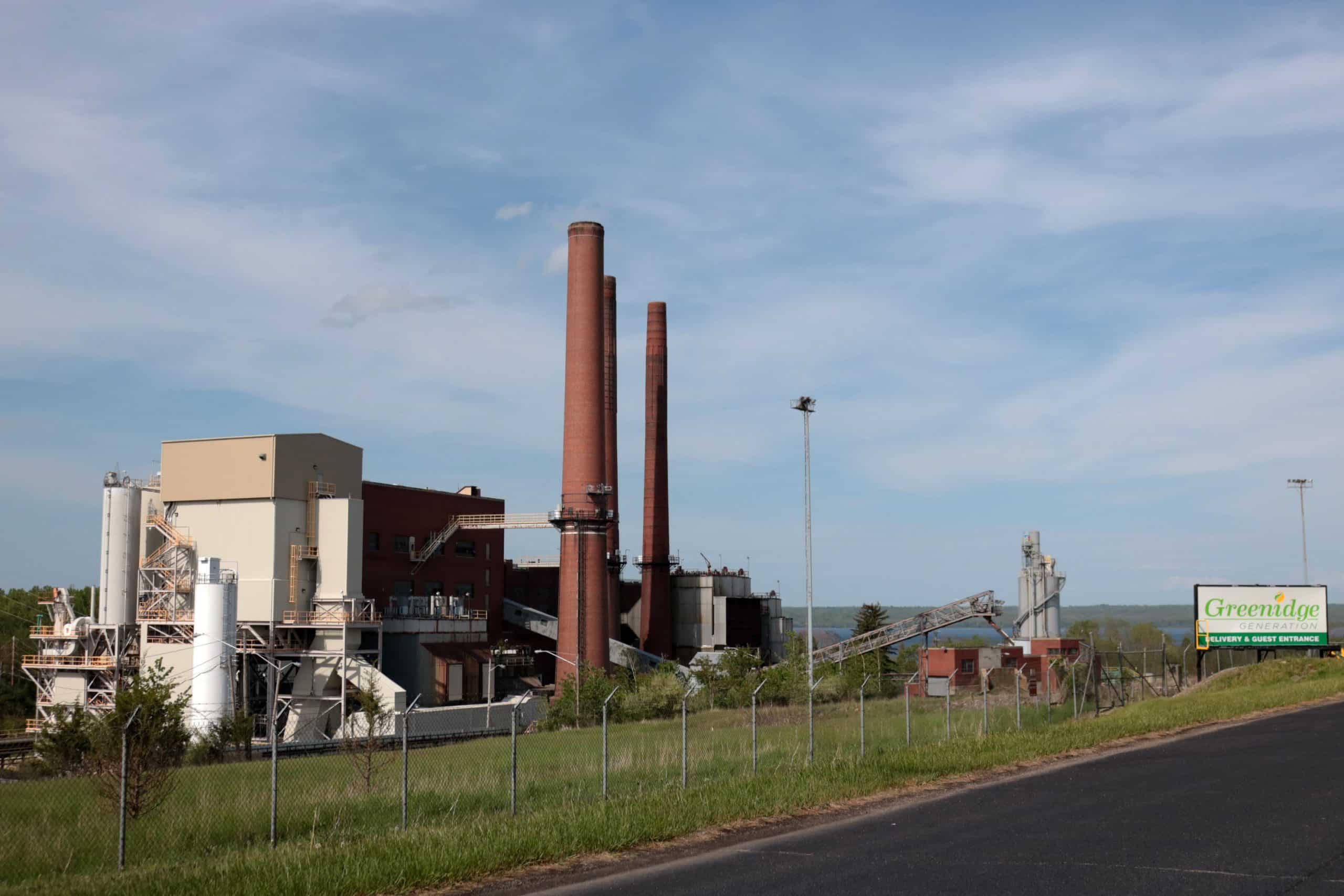
While developers race to patch cryptographic vulnerabilities, physical infrastructure underpinning the digital asset economy is undergoing parallel transformations. In upstate New York, Atlas Holdings is attempting an emergency pivot away from its struggling Bitcoin mining operations at the Dresden power plant on Seneca Lake, moving toward artificial intelligence data centers, as reported by Fingerlakes1. The parent company changed its subsidiary's name to Vulcan Infrastructure and Power Inc., shifting headquarters and pursuing a recapitalization plan to manage high-interest debt.
The proposed transition would shift the Dresden facility from a net seller of power to the New York electric grid into a net consumer. This pivot unfolds amid heightened regulatory scrutiny and executive actions concerning energy grid capacity for data centers across multiple states. Environmental challenges also persist at the Dresden site, including unresolved water cooling practices on Seneca Lake, pending air quality permits, and mandatory cleanup liabilities for coal ash ponds.
What to Watch Next
- Whether BIP-361 hits its targeted activation date or encounters further delays within the developer community.
- The progress of Ripple’s Phase 3 Devnet integration of post-quantum signature schemes.
- The closure and regulatory approval of the Vulcan recapitalization deal to stave off bankruptcy for the Dresden facility.
- State-level regulatory decisions regarding grid power allocations for incoming artificial intelligence data centers.
For more updates on corporate developments and regulatory frameworks, consult our Business coverage.
How significant is this development?
Contribute your assessment to the aggregated reader sentiment ledger.
Frequently Asked Questions
Key questions answered in this reportWhat is the key development in: Bitcoin developers propose BIP-361 to freeze quantum-vulnerable addresses?
Bitcoin developers have introduced BIP-361 to freeze quantum-vulnerable addresses as the industry prepares for advanced quantum computing threats.
Why is this Business development significant for the UK?
This report covers critical events in our Business beat. Independent reporting monitors related UK statements, regulatory shifts, and public responses as further verified details emerge.
How was this reporting corroborated and verified?
Newsarchy UK compiles and cross-references reporting from primary reporting from 247wallst.com and cross-checked wire reports. All coverage adheres to published editorial standards.
When was this report published?
This briefing was published on August 24, 2026 and is permanently cataloged in the Newsarchy UK Business archives.