Saudi Arabia cuts all October crude deliveries to European refiners
Saudi Aramco has cancelled all October crude allocations for European buyers following a drone strike on the East-West pipeline. This shutdown has severed crucial export routes, forcing European refiners to scramble for alternative supplies as global prices climb.
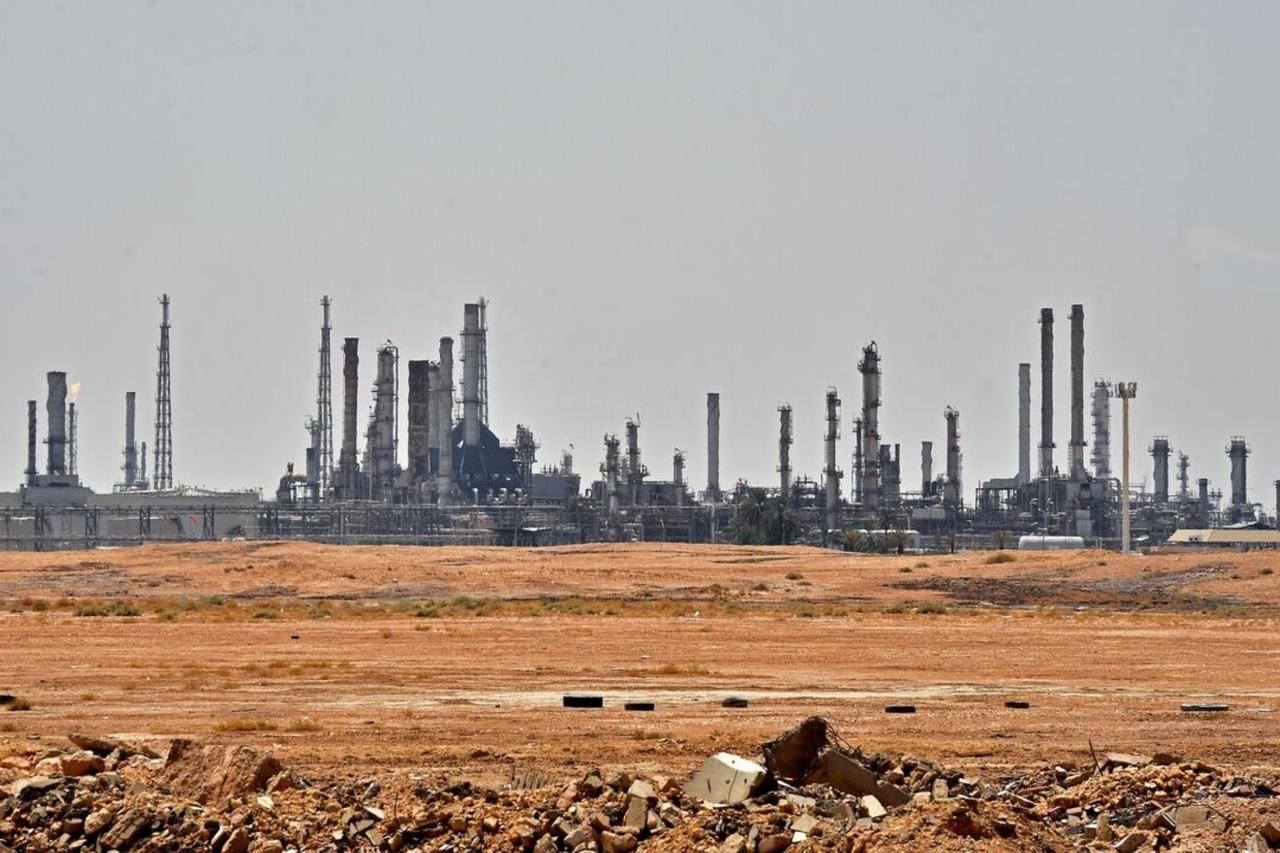
- Core Development: Saudi Aramco has cancelled all October crude allocations for European buyers following a drone strike on the East-West pipeline. This shutdown has severed crucial export routes, forcing European refiners to scramble for alternative supplies as global prices climb.
- Beat Context: Categorized under Business with independent corroboration.
- Reporting Depth: 5 minute analytical read synthesized from verified newsroom sources.
Saudi Arabia has abruptly halted all October crude oil deliveries to European refiners, throwing the continent's energy supply chain into chaos following a devastating drone attack on the kingdom's primary trans-national pipeline.
State-backed Saudi Aramco informed at least two major European refining customers that they will receive zero crude oil deliveries next month, according to industry sources cited by Turkiyetoday. The unprecedented decision applies universally across all European buyers who normally rely on steady monthly term contracts to maintain refinery operations. The supply cutoff stems directly from last week's drone strike, which struck at least two points along the 745-mile East-West pipeline, also known as Petroline, forcing its complete emergency shutdown.
Media additions


The pipeline serves as the kingdom's vital logistical bypass around the Persian Gulf, carrying crude production from eastern fields directly to the Red Sea port of Yanbu. From Yanbu, oil is routinely piped onward to Egypt's Mediterranean port of Sidi Kerir, where European refineries traditionally draw their supplies. With that entire route now severed, Europe has been left high and dry. The continent stands as Saudi Arabia's fifth-largest oil market, having imported almost 30 million tons of oil to the continent in 2025, while OECD European countries imported 577,000 barrels per day of Saudi crude in June, according to data cited from the International Energy Agency.
The sudden vacuum has triggered immediate panic buying across the continent. Poland's Orlen SA has rushed to issue more than ten separate spot tenders in a desperate race to secure replacement barrels. Yet finding substitute volumes is proving exceptionally difficult against the backdrop of an ongoing regional conflict. The broader Middle East war—launched jointly by the United States and Israel—has choked vital maritime corridors and driven international Brent crude spot prices to hover around $107 a barrel, marking an increase of more than 45 percent since the conflict commenced, as reported by PBS.
| Market Indicator / Region | Current Status & Figures | Impact / Context |
|---|---|---|
| European Imports (OECD) | 577,000 barrels per day (June figures) | Completely disrupted for October as Saudi Aramco cancels all term deliveries. |
| East-West Pipeline (Petroline) | Shutdown following drone strike | Repairs estimated at 3 to 5 weeks by regional officials, though analysts warn of ongoing sabotage risks. |
| Global Benchmark (Brent Crude) | $107 per barrel | Up more than 45% since the outbreak of the regional conflict. |
| U.S. National Gasoline Average | Over $4 a gallon | Highest consumer price level recorded since 2022. |
While European customers face an absolute supply drought for October, Saudi Aramco has simultaneously accelerated export volumes from its Gulf port of Ras Tanura, located inside the heavily contested Strait of Hormuz. According to multiple trade reports, the kingdom has sold roughly 60 million barrels of crude for loading via ship-to-ship transfers at the Omani port of Sohar. These operations have lifted overall Gulf exports to an estimated 1 million to 1.5 million barrels per day. These redirected cargoes have primarily benefited Asian buyers in China, South Korea, India, and Japan. The Petroleum Association of Japan confirmed that local refiners have managed to secure sufficient crude through November via these Omani transfers, noting that supplies continue to move under Saudi risk outside the Gulf proper.
However, shifting logistics toward Asian ports has done nothing to alleviate Europe's immediate predicament. Compounding the regional transport crisis, supertanker freight rates have spiked dramatically. The cost to charter a very large crude carrier to load 2 million barrels from Fujairah to Asia reached 800 on the Worldscale index. At the same time, geopolitical friction has intensified around maritime choke points. Yemeni Houthi rebels recently seized the strategic Greater and Lesser Hanish islands north of the Bab el-Mandeb Strait, tightening their grip on Red Sea shipping lanes and expanding threats against tankers heading toward Suez and European markets.
Repair timelines for the damaged Petroline infrastructure remain a point of contention among regional officials and industry analysts. While one source familiar with the matter indicated to Reuters that the line could partially restart within days and reach full operational capacity within six weeks, independent analysts remain deeply skeptical. Regional officials briefed on the matter suggest physical repairs at key pumping facilities could take three to five weeks under ideal conditions. Observers point out that repeated drone vulnerabilities make any fixed pipeline exceptionally difficult to secure without a comprehensive diplomatic settlement among regional powers.
Meanwhile, political fallout continues to widen. U.S. President Donald Trump lashed out at European allies refusing to join the military campaign, declaring that securing the blockaded Strait of Hormuz is no longer an American responsibility and telling allies to fend for themselves to secure energy supplies. Domestically, the energy squeeze has pushed U.S. Gasoline averages past $4 a gallon, drawing fierce debate among officials regarding the duration of the market disruptions.
What happens next depends heavily on the speed of pipeline reconstruction and the security of alternative export routes. Saudi Aramco faces a tight window to resume flows through Yanbu before financial pressures mount from lost export revenues. European refiners, meanwhile, must navigate an increasingly expensive spot market to replace missing October term barrels as winter demand approaches. Market watchers will be closely monitoring whether repair crews can meet their multi-week targets without triggering further security incidents along the kingdom's vulnerable overland energy corridors.
How significant is this development?
Contribute your assessment to the aggregated reader sentiment ledger.
Frequently Asked Questions
Key questions answered in this reportWhat is the key development in: Saudi Arabia cuts all October crude deliveries to European refiners?
Saudi Aramco has cancelled all October crude allocations for European buyers following a drone strike on the East-West pipeline. This shutdown has severed crucial export routes, forcing European refiners to scramble for alternative supplies as global prices climb.
Why is this Business development significant for the UK?
This report covers critical events in our Business beat. Independent reporting monitors related UK statements, regulatory shifts, and public responses as further verified details emerge.
How was this reporting corroborated and verified?
Newsarchy UK compiles and cross-references reporting from primary reporting from turkiyetoday.com and cross-checked wire reports. All coverage adheres to published editorial standards.
When was this report published?
This briefing was published on September 18, 2026 and is permanently cataloged in the Newsarchy UK Business archives.