Capital One Says It Closed Trump Organization's Accounts After Anti-Money Laundering Probe
Capital One has formally defended its decision to terminate hundreds of Trump Organization bank accounts, citing an internal anti-money laundering review in a bid to dismiss a debanking lawsuit.
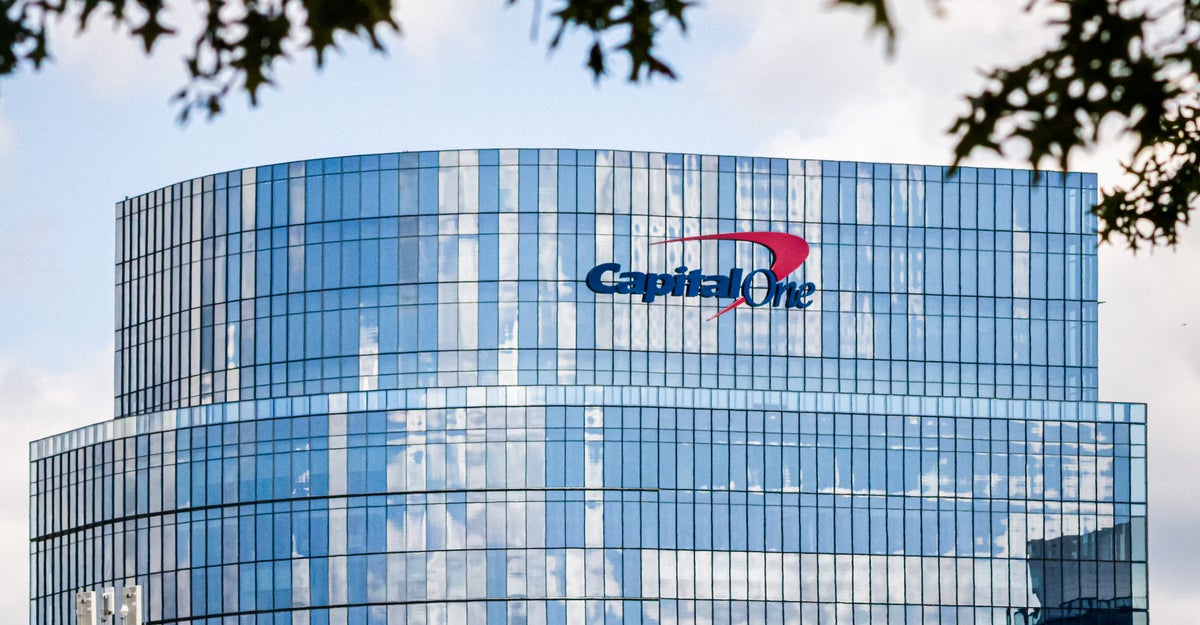
- Core Development: Capital One has formally defended its decision to terminate hundreds of Trump Organization bank accounts, citing an internal anti-money laundering review in a bid to dismiss a debanking lawsuit.
- Beat Context: Categorized under Business with independent corroboration.
- Reporting Depth: 3 minute analytical read synthesized from verified newsroom sources.
Financial institutions across business sectors are navigating an increasingly fraught policy environment as legal battles between major lenders and the administration of U.S. President Donald Trump intensify. Capital One Financial struck back on Friday against a lawsuit regarding its decision to terminate banking services for the Trump Organization years prior. According to court filings reported by Yahoo Finance, the lender stated that the closures occurred following a months-long review by its anti-money laundering experts. This disclosure marks the very first time a financial institution has formally tied anti-money laundering concerns to the family business of the U.S. President, according to reporting from Nikkei Asia.
The core of the legal dispute centers on allegations of illegal debanking—the practice of denying financial services on political or religious grounds. Capital One is actively seeking to dismiss the lawsuit by challenging these claims. As detailed by Aol, the bank’s legal team argued that documents and the plaintiffs' own allegations make it clear that the accounts were closed strictly for anti-money laundering reasons.
Media additions

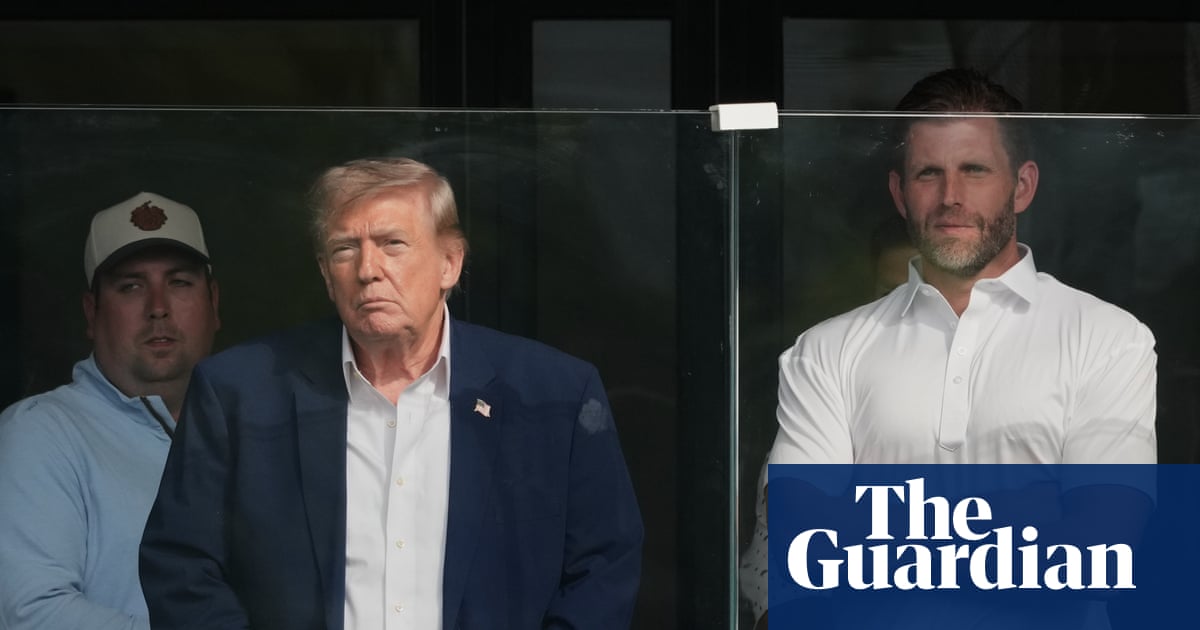
The bank clarified that it has never accused the Trump Organization of illegal money laundering. Instead, the lender maintained that the closures resulted from months of analysis conducted in accordance with internal bank policies and regulatory guidance.
The historical timeline of the dispute stretches back several years. Capital One originally gave notice of its plans to close more than 300 Trump-affiliated bank accounts
in March 2021. Years later, in March 2025, the Trump Organization and the president's son, Eric Trump, filed a lawsuit in a Florida federal court. The plaintiffs alleged that Capital One closed the accounts due to woke
beliefs and a desire to align with the political mood following the January 6, 2021 riot at the U.S. Capitol. Federal courts in Miami have already tossed two previous complaints in the case while granting the plaintiffs opportunities to submit amended filings, with the latest version submitted in July.
In its recent filing, Capital One asserted that the latest complaint suffers from the exact same fundamental flaws as its predecessors. According to coverage from The Guardian, the bank described the allegations of political pretext as misguided and built upon cherry-picked quotations that lack the full context of documents submitted to the court. Furthermore, the filing noted that the transaction patterns identified by the bank are among the types of activity specifically flagged by federal banking guidance.
Capital One’s court filing stated:
"documents and Plaintiffs' own allegations make clear that Capital One closed Plaintiffs' accounts for anti-money laundering ('AML') reasons. The closures were the result of months of analysis and a careful review by Capital One's AML team in accordance with bank policies and regulatory guidance."
Capital One Financial, Court Filing, via Reuters
This ongoing confrontation unfolds against a broader backdrop of heightened political pressure on large Wall Street banks. Since the inauguration of Trump's second term, his administration has amplified conservative complaints that major financial institutions intentionally target the political right. In response to these concerns, Trump signed an executive order in August 2025 explicitly barring discriminatory debanking. In January, Trump filed a suit against JPMorgan Chase on the same grounds, underscoring the fraught policy environment Wall Street is navigating during the president’s second term.
The current tension also echoes past financial scrutiny from the president's first term. In 2019, Trump filed lawsuits against both Capital One and Deutsche Bank in an effort to prevent them from handing over financial records to congressional investigators led by Democratic lawmakers. Reports at the time indicated that anti-money laundering professionals at Deutsche Bank had flagged certain transactions, though executives allegedly ignored them—an assertion that Deutsche Bank denied.
Neither the Trump Organization nor Capital One immediately responded to requests for comment regarding the latest court filings. As the case proceeds through the federal court system in Miami, legal analysts and market observers will be watching closely to see how the judiciary handles the intersection of internal bank compliance policies, federal regulatory guidance, and executive orders targeting financial discrimination.
How significant is this development?
Contribute your assessment to the aggregated reader sentiment ledger.
Frequently Asked Questions
Key questions answered in this reportWhat is the key development in: Capital One Says It Closed Trump Organization's Accounts After Anti-Money Laundering Probe?
Capital One has formally defended its decision to terminate hundreds of Trump Organization bank accounts, citing an internal anti-money laundering review in a bid to dismiss a debanking lawsuit.
Why is this Business development significant for the UK?
This report covers critical events in our Business beat. Independent reporting monitors related UK statements, regulatory shifts, and public responses as further verified details emerge.
How was this reporting corroborated and verified?
Newsarchy UK compiles and cross-references reporting from primary reporting from huffpost.com and cross-checked wire reports. All coverage adheres to published editorial standards.
When was this report published?
This briefing was published on August 2, 2026 and is permanently cataloged in the Newsarchy UK Business archives.