Houthis claim missile strike set fire to Saudi tanker Amzan in Red Sea
A Houthi ballistic missile struck the Saudi-flagged oil tanker Amzan west of Yanbu, causing a fire on the vessel's main deck as regional maritime tensions rise.
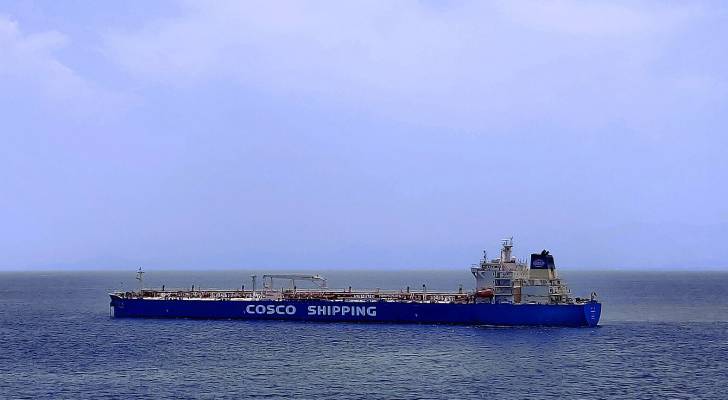
- Core Development: A Houthi ballistic missile struck the Saudi-flagged oil tanker Amzan west of Yanbu, causing a fire on the vessel's main deck as regional maritime tensions rise.
- Beat Context: Categorized under World with independent corroboration.
- Reporting Depth: 5 minute analytical read synthesized from verified newsroom sources.
On Monday the Houthi movement announced that a ballistic missile it launched struck the Saudi‑flagged oil tanker Amzan 63 nautical miles west of Yanbu, igniting a blaze on the vessel’s main deck. The claim arrives at a moment when both Red Sea traffic and U.S.‑Iran economic pressure are intensifying, raising fresh concerns about the security of the kingdom’s oil export routes and the wider‑regional fight over maritime chokepoints.
The Houthi military spokesperson said the strike was “precise and direct”, producing a “large fire on the vessel”. The group framed the attack as part of its declared “blockade‑for‑blockade” campaign against Saudi‑linked shipping, a policy it has pursued since announcing a maritime blockade on 20 July.
Media additions
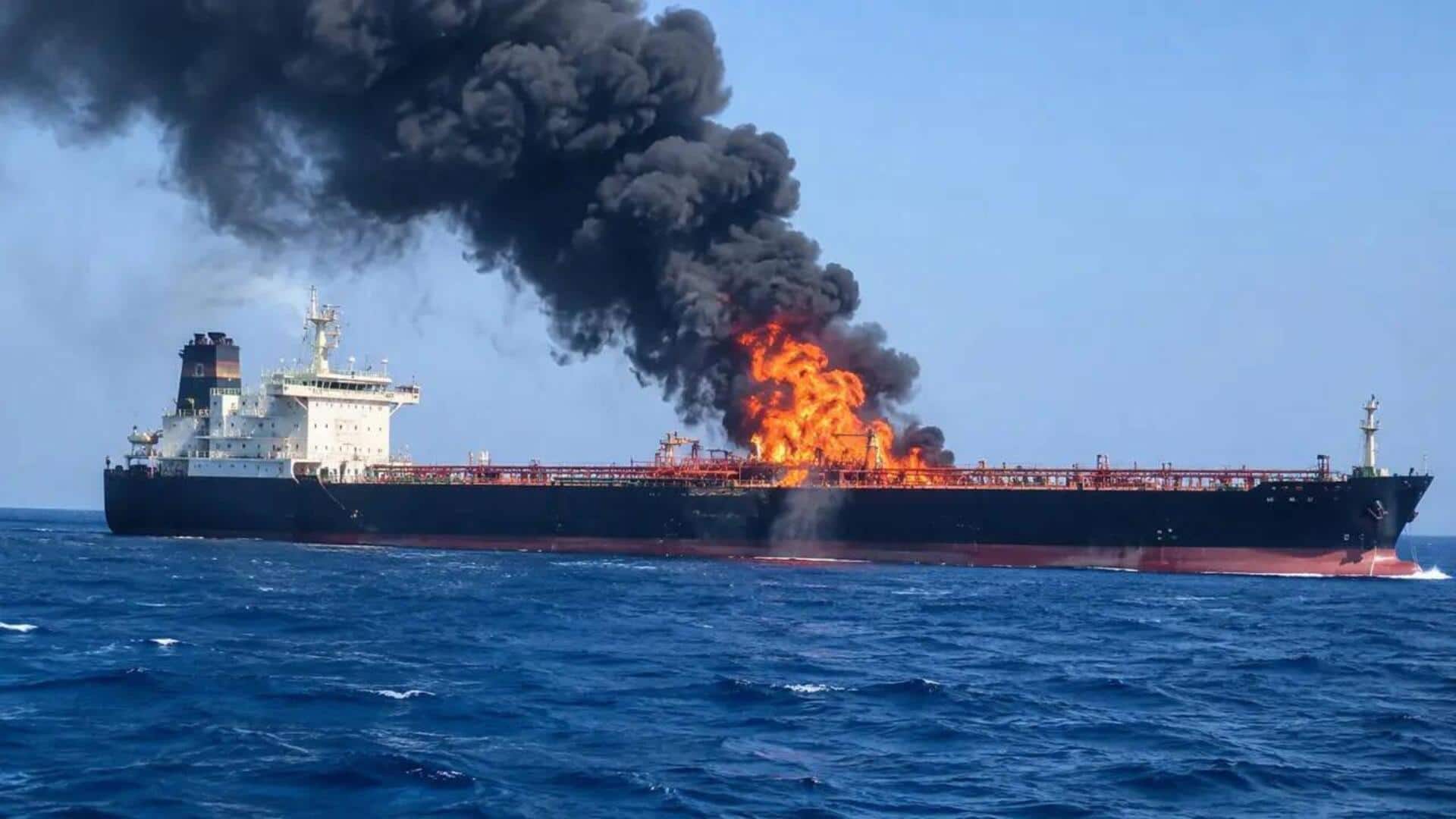
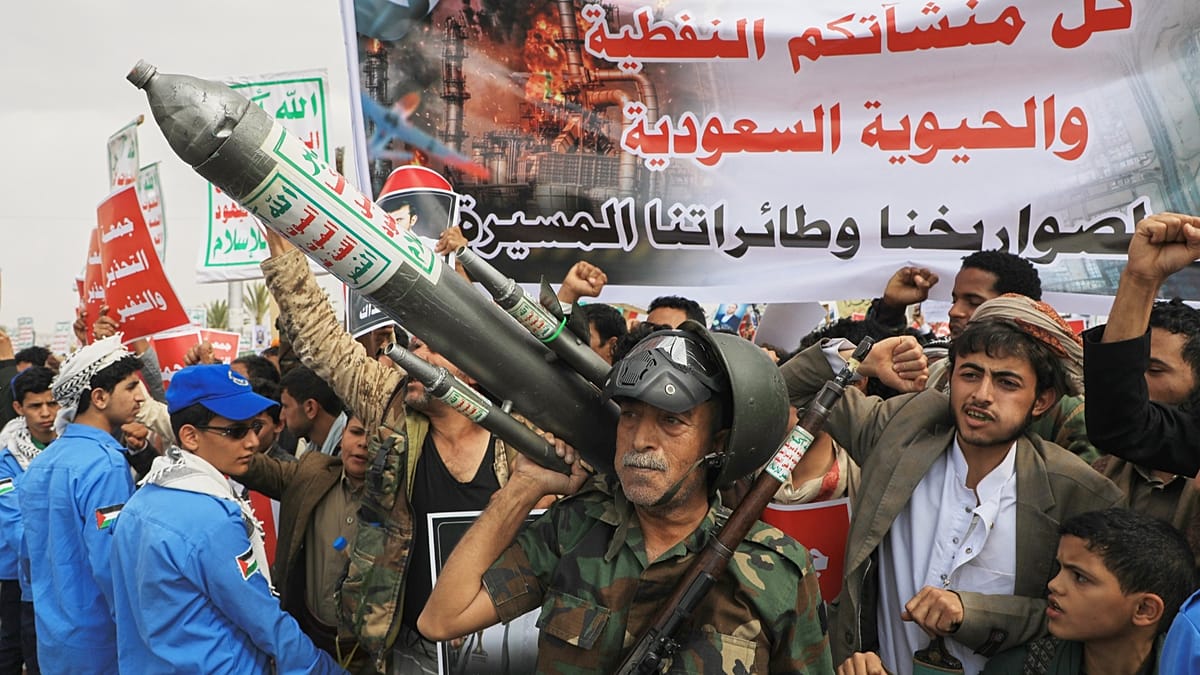

"The missile strike was precise and direct, resulting in a large fire on the vessel."
Houthi military spokesman, via Roya News
The United Kingdom Maritime Trade Operations (UKMTO) simultaneously reported that an “unknown projectile” had hit a tanker at the same coordinates, sparking a fire on the main deck while the crew remained unharmed. The agency did not name the vessel, but later Saudi shipping firm Bahri confirmed the Amzan was involved in a security incident and reiterated that all crew members were safe and that no injuries or environmental impact had been reported.
Both the Houthi claim and the UKMTO notice describe a rapid, direct hit that forced “a number of other ships in the targeted area to flee”, according to the Houthi statement aired on Al‑Masirah TV. The strike therefore adds to a string of recent maritime incidents that have seen Saudi‑linked tankers, such as the NCC Wafa, targeted in the Red Sea’s northern corridor.
Broader escalation in the Red Sea
The Amzan episode is part of a broader surge in Houthi operations that began in late July. After an Iranian aircraft arrived in Sanaa earlier in August, the group declared a “maritime ban” and has since claimed a series of missile and drone attacks on Saudi oil facilities, airports, and military convoys inside Yemen.
In addition to the Amzan strike, Houthi spokespeople announced:
- A ballistic‑missile attack on a Saudi convoy in the Hadramout region of southeastern Yemen, allegedly destroying more than ten weapons‑laden trucks.
- A drone‑assisted raid on a Saudi‑aligned force buildup in Al‑Jawf province, said to have killed or wounded dozens of commanders and officers.
These claims, while not independently verified, illustrate a coordinated effort to pressure Saudi Arabia on both land and sea. The group’s actions dovetail with Iran’s strategic use of its Yemen proxies, a point highlighted by Russian‑language Euronews, which noted that the Houthi bloc “continues to press for a maritime blockade of the Bab el‑Mandeb Strait, a gateway that carries roughly 12 % of global maritime traffic”.
Commercial and strategic stakes
Yanbu, the port near which the Amzan was hit, is a key hub for Saudi oil exports. Disruptions there can reverberate through global oil markets, especially as the Red Sea remains a preferred alternative to the heavily contested Strait of Hormuz. The same week the Amzan incident was reported, a separate projectile strike disabled a tanker in the Strait of Hormuz, underscoring how parallel flashpoints are being leveraged in the wider U.S.–Iran confrontation.
U.S. Treasury Secretary Scott Bessent unveiled a new “economic D‑Day” package against Iran on the same Monday, aiming to choke Tehran’s revenue streams. Although the sanctions target Iran directly, analysts note that the Houthi group’s maritime attacks serve Tehran’s broader strategy of threatening Saudi‑linked shipping in retaliation for U.S. Pressure on Iranian oil exports.
Regional navies have responded with heightened patrols. The Egyptian Navy was reported to have moved toward the incident zone, while the multinational coalition announced on 31 July that 14 countries — including Pakistan, Turkey and Egypt — had signed a declaration to protect Red Sea navigation.
Timeline of recent developments
- 20 July 2026 – Houthis publicly announce a maritime blockade of Saudi-linked vessels.
- Early August 2026 – Iranian aircraft lands in Sanaa; Houthi attacks on Saudi facilities in Najran and Jazan intensify.
- 9 August 2026 – Houthis claim a drone strike on an Aramco facility in Jazan.
- 24 August 2026 – Houthi spokesperson Yahya Saree declares a ballistic‑missile hit on the tanker Amzan; UKMTO confirms an unknown projectile caused a fire 63 nm west of Yanbu.
- 24 August 2026 – Saudi shipping company Bahri acknowledges the incident, confirms crew safety and no environmental damage.
- 24 August 2026 – U.S. Unveils “Operation Economic Outcast”, a sweeping sanctions regime against Iran.
What to watch next
- Whether Saudi Arabia will issue an official attribution for the Amzan strike and respond militarily or diplomatically.
- Further UKMTO or Ambrey reports confirming the identity of the vessel hit and any follow‑up damage assessments.
- Shifts in commercial traffic through the Bab el‑Mandeb and Strait of Hormuz, as ship owners weigh rerouting risks against insurance premiums.
- Reactions from Iran’s leadership to the new U.S. Sanctions, especially statements from Economy Minister Ali Madanizadeh and foreign‑ministry spokesperson Esmail Baghaei.
- Potential escalation of Houthi‑Iran coordination, particularly any directive to intensify attacks on Red Sea shipping in retaliation for the U.S. “economic D‑Day”.
The Amzan incident illustrates how a single missile strike can ripple through global energy logistics, regional power calculations, and the emerging financial war on Iran. As the Red Sea remains a critical artery for Saudi oil, any further disruption could compel both state and private actors to reassess security postures, while the international community watches for signs of de‑escalation, or deeper entanglement, in a conflict that now spans oceans and economies alike.
How significant is this development?
Contribute your assessment to the aggregated reader sentiment ledger.
Frequently Asked Questions
Key questions answered in this reportWhat is the key development in: Houthis claim missile strike set fire to Saudi tanker Amzan in Red Sea?
A Houthi ballistic missile struck the Saudi-flagged oil tanker Amzan west of Yanbu, causing a fire on the vessel's main deck as regional maritime tensions rise.
Why is this World development significant for the UK?
This report covers critical events in our World beat. Independent reporting monitors related UK statements, regulatory shifts, and public responses as further verified details emerge.
How was this reporting corroborated and verified?
Newsarchy UK compiles and cross-references reporting from primary reporting from twz.com and cross-checked wire reports. All coverage adheres to published editorial standards.
When was this report published?
This briefing was published on August 25, 2026 and is permanently cataloged in the Newsarchy UK World archives.