Dabur accuses FSSAI of favouring rivals in 100% label crackdown
Dabur India has approached the Delhi High Court to challenge an FSSAI ban on its '100%' purity claims, arguing the directive unfairly benefits competitors and threatens product lines worth over Rs 150 crore.
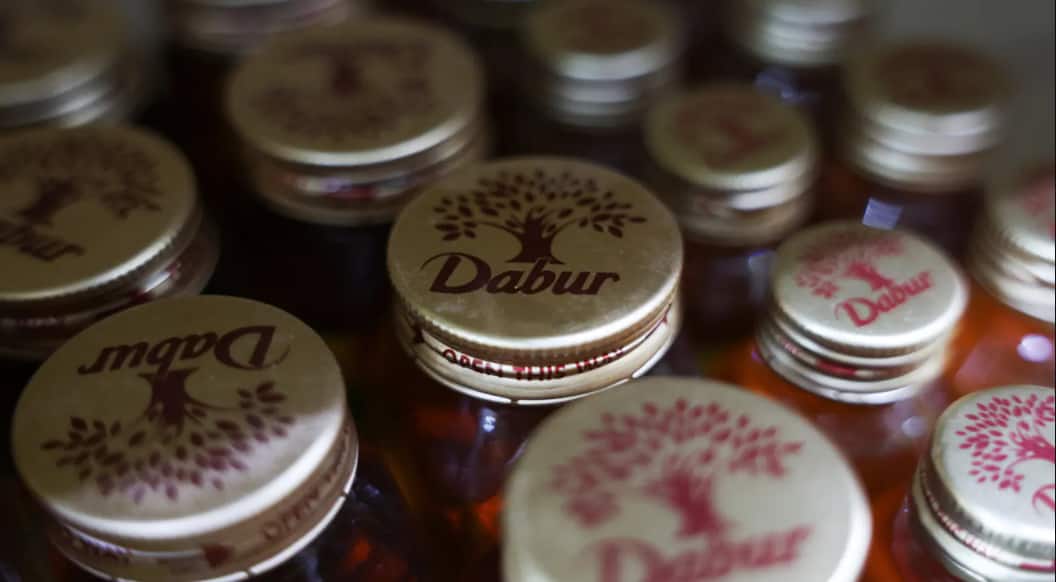
- Core Development: Dabur India has approached the Delhi High Court to challenge an FSSAI ban on its '100%' purity claims, arguing the directive unfairly benefits competitors and threatens product lines worth over Rs 150 crore.
- Beat Context: Categorized under Business with independent corroboration.
- Reporting Depth: 3 minute analytical read synthesized from verified newsroom sources.
Dabur India Ltd has taken the Food Safety and Standards Authority of India (FSSAI) to the Delhi High Court, alleging that the regulator’s recent prohibition on “100 %” purity claims favours rivals that do not use the contested wording. The clash unfolds as the FMCG group reports a 15 percent year‑on‑year rise in consolidated net profit to ₹591 crore, while simultaneously coping with a U.S. Food and Drug Administration (USFDA) warning letter concerning its Silvassa pharmaceutical plant.
Regulatory edict and Dabur’s response
In a social‑media post on Monday, the FSSAI announced a prohibition order that bars Dabur from selling a range of items that carry “100 %” descriptors. The list includes honey, apple cider vinegar, virgin coconut oil, sesame oil, cow ghee, coconut water, coconut milk and other products. The authority explained that the wording “is ambiguous, unverifiable and in contravention of the Food Safety (Advertising & Claims) Regulations, 2018.”
Media additions

"food products being sold on the company's website were found carrying misleading '100%' claims such as '100% Natural', '100% Pure', '100% Purity Guaranteed', '100% Organic' and '100% Tender Coconut Water'."
Dabur’s filing contends that the order was issued without giving the company a hearing, a procedural flaw the court highlighted. The petition, slated for a hearing on Friday, argues that complying with the directive could jeopardise product lines valued at more than ₹150 crore.
Legal proceedings and market movement
The Delhi High Court noted that the regulator should have afforded Dabur an opportunity to be heard before issuing the prohibition. The matter will be examined on the upcoming Friday, giving the company a chance to challenge the scope of the ban.
Following the news, Dabur’s shares rose nearly 4 percent on Friday after the company posted its Q4 FY26 results. The earnings beat expectations and underscored strong rural demand and higher‑priced SKUs that helped offset inflationary pressures.
Analyst perspectives
Gaurang Shah of Geojit Financial Services said that Dabur “has been in the market for a long time, has a good amount of goodwill for its products and an unmatched product portfolio.” He cautioned that investors should watch how the firm navigates the regulatory hurdle.
Aamar Deo Singh of Angel One warned that it remains early to adopt a bullish stance on FMCG stocks. He advised investors to wait for the monsoon outcome and “further confirmation of a sustained recovery” before taking decisive positions.
USFDA scrutiny adds a parallel challenge
The USFDA has also turned its attention to Dabur, issuing a warning letter to the company’s Silvassa pharmaceutical manufacturing facility. The inspection, conducted from January to December 16 2026, identified “data‑integrity lapses, inadequate quality oversight and deficient manufacturing controls.” The regulator’s letter, dated July 24 2027 and addressed to CEO Mohit Malhotra, deemed the plant’s output “adulterated” under the U.S. Federal Food, Drug and Cosmetic Act.
Dabur confirmed that it is engaging with the food regulator after the “100 %” ban and has sought an “action taken” report, signalling a coordinated response to both Indian and U.S. Enforcement actions.
Broader enforcement trend
The FSSAI’s crackdown on “100 %” claims sits alongside recent actions targeting misleading labels in liquor, nutraceuticals, packaged water and quick‑commerce products. Over the past month, the FMCG index has underperformed the broader market, falling 5 per cent while the Nifty 50 slipped 2.3 per cent.
What comes next
- Friday – Delhi High Court hearing on Dabur’s petition challenging the FSSAI prohibition.
- Upcoming monsoon season – Analysts suggest the weather outlook will influence rural demand and could affect Dabur’s revenue trajectory.
How significant is this development?
Contribute your assessment to the aggregated reader sentiment ledger.
Frequently Asked Questions
Key questions answered in this reportWhat is the key development in: Dabur accuses FSSAI of favouring rivals in 100% label crackdown?
Dabur India has approached the Delhi High Court to challenge an FSSAI ban on its '100%' purity claims, arguing the directive unfairly benefits competitors and threatens product lines worth over Rs 150 crore.
Why is this Business development significant for the UK?
This report covers critical events in our Business beat. Independent reporting monitors related UK statements, regulatory shifts, and public responses as further verified details emerge.
How was this reporting corroborated and verified?
Newsarchy UK compiles and cross-references reporting from primary reporting from moneycontrol.com and cross-checked wire reports. All coverage adheres to published editorial standards.
When was this report published?
This briefing was published on August 10, 2026 and is permanently cataloged in the Newsarchy UK Business archives.

