Diageo and Pernod Ricard face Indian probe over bulk Scotch import taxes
Indian authorities are investigating Diageo and Pernod Ricard over the customs classification and import taxation of bulk Scotch whisky concentrates, threatening key provisions of a bilateral trade pact.
- Core Development: Indian authorities are investigating Diageo and Pernod Ricard over the customs classification and import taxation of bulk Scotch whisky concentrates, threatening key provisions of a bilateral trade pact.
- Beat Context: Categorized under Business with independent corroboration.
- Reporting Depth: 4 minute analytical read synthesized from verified newsroom sources.
Multinational beverage giants Diageo and Pernod Ricard face a high-stakes regulatory investigation in India regarding the customs classification and import taxation of bulk Scotch whisky concentrates, threatening to upend key provisions of a bilateral trade pact.
The controversy stems from divergent interpretations of the India-UK free trade agreement, which officially came into effect on 15 July 2026. Under the terms of the bilateral accord, import duties on eligible Scotch whisky shipments were slashed from 150% to 75%, with scheduled reductions eventually lowering the tax rate to 40% over a decade. However, authorities from India's Directorate of Revenue Intelligence (DRI) launched raids this month, searching the corporate offices of both distillers and questioning executives.
Media additions

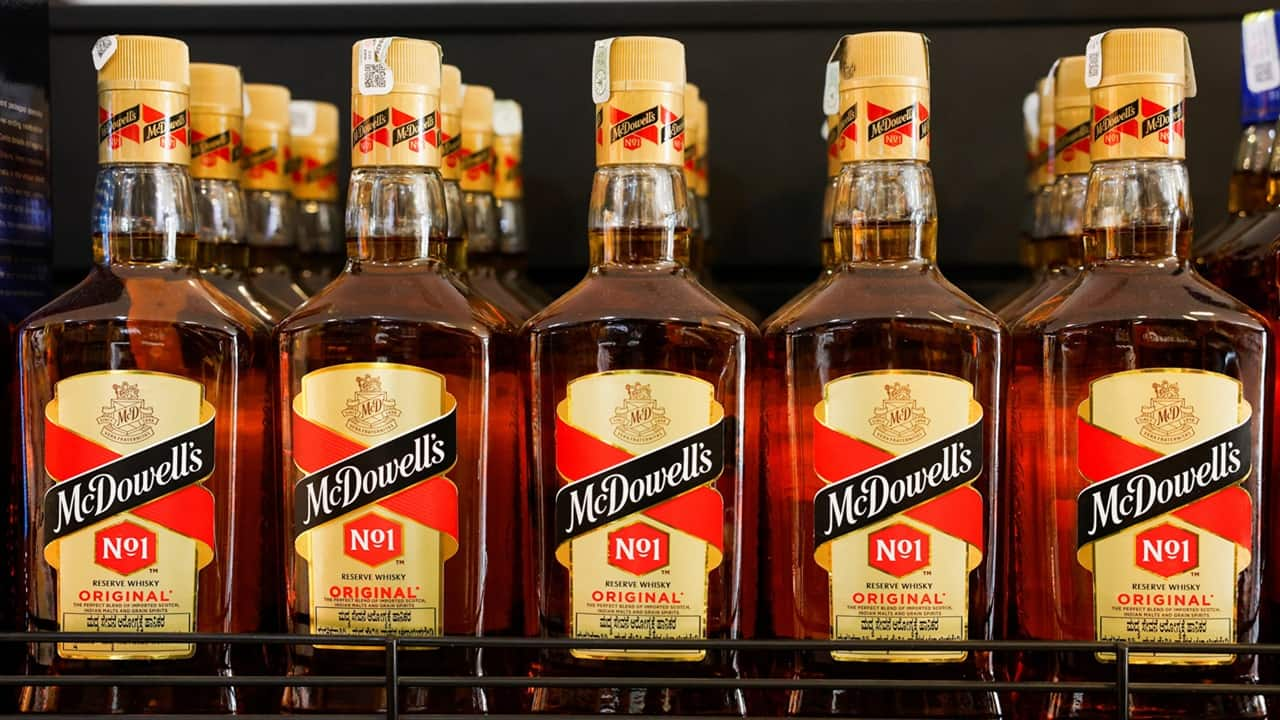
According to confidential briefings shared with the companies by investigators, the reduced 75% tariff was never intended to cover bulk Scotch concentrates. Indian officials maintain that such shipments must be declared under a separate customs classification that continues to attract the standard 150% import levy. For multinational distillers who rely heavily on imported Scotch to blend with local spirits for popular labels like Royal Stag, Blenders Pride, and McDowell’s, the financial ramifications are severe. If the higher duty is enforced, companies will face escalating operational costs, forcing them to either absorb the tax burden or pass price hikes on to consumers in a notoriously price-sensitive market.
The dispute has sparked immediate pushback from trade associations. In a strongly worded letter addressed to India's commerce minister on Friday, the International Spirits and Wines Association of India (ISWAI) argued that excluding bulk shipments risks undermining, in practice, an important market-access benefit negotiated and agreed between India and the United Kingdom.
The trade group emphasized that the bilateral accord expressly grants preferential tariff treatment under relevant tariff lines, urging an urgent official clarification to avert ongoing operational disruptions across the wider $65 billion alcohol sector.
| Tariff Category | Standard Duty | Reduced Agreement Rate | Under Dispute / Investigation |
|---|---|---|---|
| Finished Bottled Scotch Whisky | 150% | 75% (falling to 40% over 10 years) | No |
| Bulk Scotch Whisky Concentrates | 150% | 75% (claimed by distillers) | Yes (Indian authorities maintain 150% applies) |
The regulatory clampdown arrives against a complex backdrop for international alcohol manufacturers. Britain currently supplies nearly 75% of India’s imported spirits market, with Scotch dominating the volume. At the same time, major distillers are grappling with global market corrections, including post-pandemic supply gluts and shifting consumer drinking habits. Pernod Ricard, which considers India its largest market by volume, has previously encountered regulatory friction in the country, including antitrust inquiries and substantial back-tax demands related to import valuations. Diageo’s Indian subsidiary, United Spirits, confirmed that authorities inspected multiple premises, while both corporations stated they are fully cooperating with the ongoing probe.
Diplomatic channels have activated in response to the impasse. A spokesperson for the British government confirmed that London is actively engaged with Indian officials to ensure that bilateral tariff reductions operate as promised during negotiations. Meanwhile, the Scotch Whisky Association stressed that bulk imports remain integral to the category's commercial success in South Asia, echoing calls for transparency and adherence to the foundational principles of the trade agreement.
Import tariff disputes have long been a sore point for foreign investors in India, who have in the past faced demands for large amounts of back tax. Such past disputes have embroiled prominent multinationals including Samsung and Volkswagen. In addition to these historical compliance issues, Pernod Ricard faces separate antitrust cases in India and a $314 million back-tax demand from Indian authorities who accuse it of undervaluing some imports, though the company denies wrongdoing.
Market observers and institutional investors are monitoring the situation closely as it moves toward a resolution.
- An anticipated formal clarification from the Indian commerce ministry regarding the customs classification of bulk Scotch concentrates.
- The outcome of ongoing bilateral talks between British and Indian trade representatives.
Until official guidance is issued, the classification dispute remains an ultimate stress test for how preferential trade concessions will be administered within India's strict regulatory framework.
How significant is this development?
Contribute your assessment to the aggregated reader sentiment ledger.
Frequently Asked Questions
Key questions answered in this reportWhat is the key development in: Diageo and Pernod Ricard face Indian probe over bulk Scotch import taxes?
Indian authorities are investigating Diageo and Pernod Ricard over the customs classification and import taxation of bulk Scotch whisky concentrates, threatening key provisions of a bilateral trade pact.
Why is this Business development significant for the UK?
This report covers critical events in our Business beat. Independent reporting monitors related UK statements, regulatory shifts, and public responses as further verified details emerge.
How was this reporting corroborated and verified?
Newsarchy UK compiles and cross-references reporting from primary reporting from Moneycontrol.com and cross-checked wire reports. All coverage adheres to published editorial standards.
When was this report published?
This briefing was published on October 24, 2026 and is permanently cataloged in the Newsarchy UK Business archives.