European Union Sues IBM, Atos and Leonardo Over Border System Delays
The European Union has filed a lawsuit against tech contractors IBM, Atos, and Leonardo over delays and rising costs in developing the border platform.

The European Union has taken legal action against major technology contractors over severe delays in building the bloc's electronic border platform, shedding light on persistent friction in public sector IT procurement.
The civil lawsuit targets technology giant IBM, French IT provider Atos, and Italian defense contractor Leonardo, according to reporting cited by CNA and AOL. The legal challenge was brought by eu-LISA, the agency responsible for managing the bloc's large-scale IT infrastructure, following years of ballooning budgets and missed milestones.
Media additions
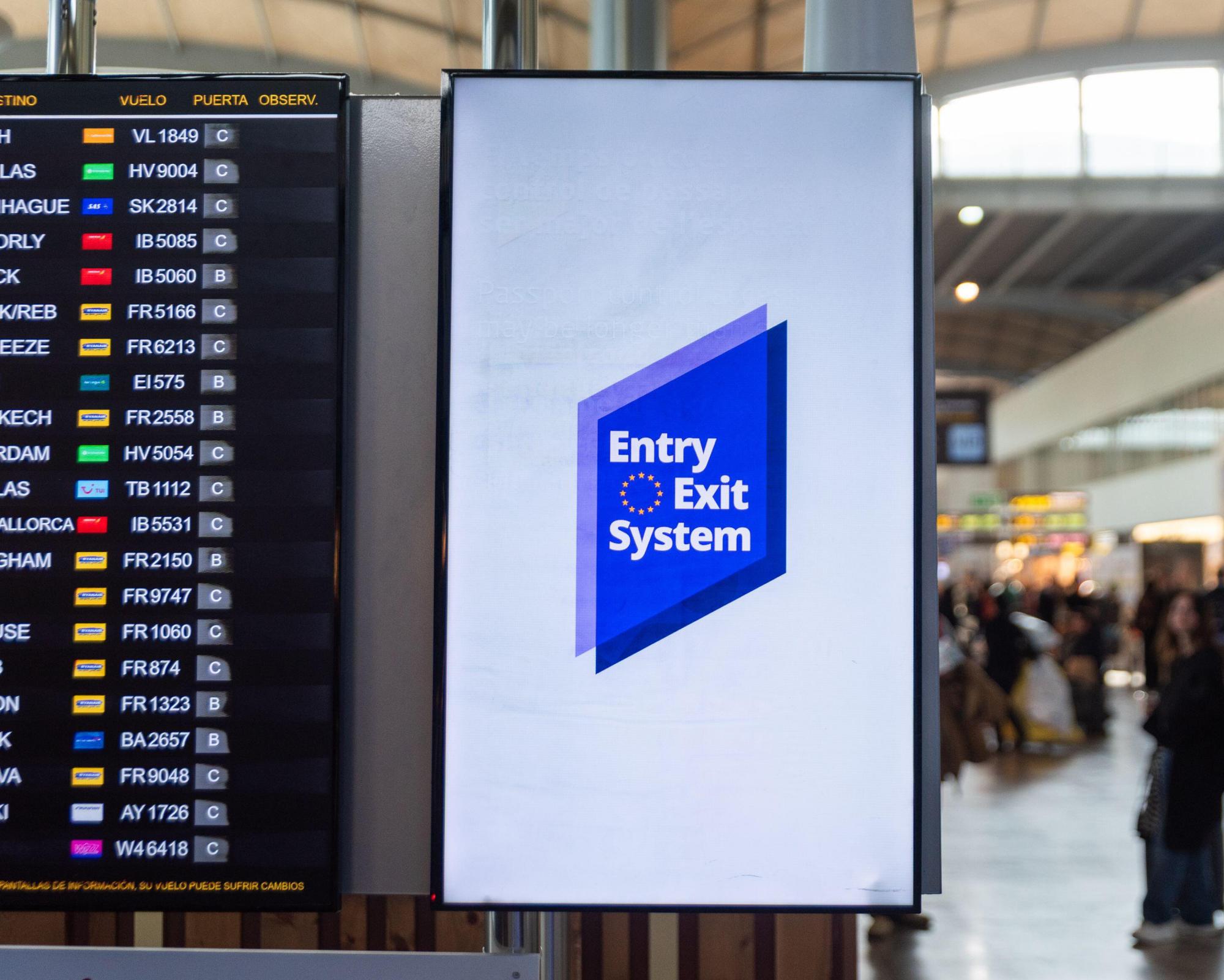
The origins of the dispute trace back to 2019, when eu-LISA awarded a core implementation and maintenance contract to a consortium comprising IBM Belgium, Atos Belgium, and Leonardo. As deadlines slipped and project costs climbed, the agency applied financial penalties. The consortium pushed back vigorously against these measures. In October 2021 correspondence seen by reporters, Atos Belgium and IBM Belgium contested both the principle and calculation of agency fines, arguing that external shocks such as the COVID-19 pandemic were to blame. Subsequent letters from early 2022 revealed the contractors rejected revised deadlines as unrealistic, criticizing the agency's overarching governance.
Financial strain accompanied the operational delays. According to data reported by BigGo Finance, the contract's initial value rose significantly over the lifespan of the project, prompting eu-LISA to reallocate funds from separate programs to cover rising hardware and software maintenance expenses.
| Project Phase / Metric | Reported Details |
|---|---|
| Initial Contract Award | Awarded in 2019 to a consortium of IBM Belgium, Atos Belgium, and Leonardo for implementation and maintenance. |
| Initial Contract Value | Reported at €142 million (approximately $158.6 million) before rising to €212 million (approximately $236.7 million) in 2021. |
| Budget Reallocations | Eu-LISA nearly doubled the EES budget allocation to €40 million (approximately $44.7 million) by 2023. |
| Legal Filing Date | Submitted on 22 December 2025 to Harju County Court in Estonia, where eu-LISA is headquartered. |
Security and procurement practices also drew scrutiny during the development cycle. Reports surfaced alleging that Atos had utilized a Moscow office to procure software for the sensitive border platform. While eu-LISA stated it found no security breach or incident, the European Union anti-fraud office, OLAF, concluded the allegations were sufficiently substantiated to warrant investigation, noting that Russian involvement would breach contract terms. OLAF ultimately referred the matter back to the agency.
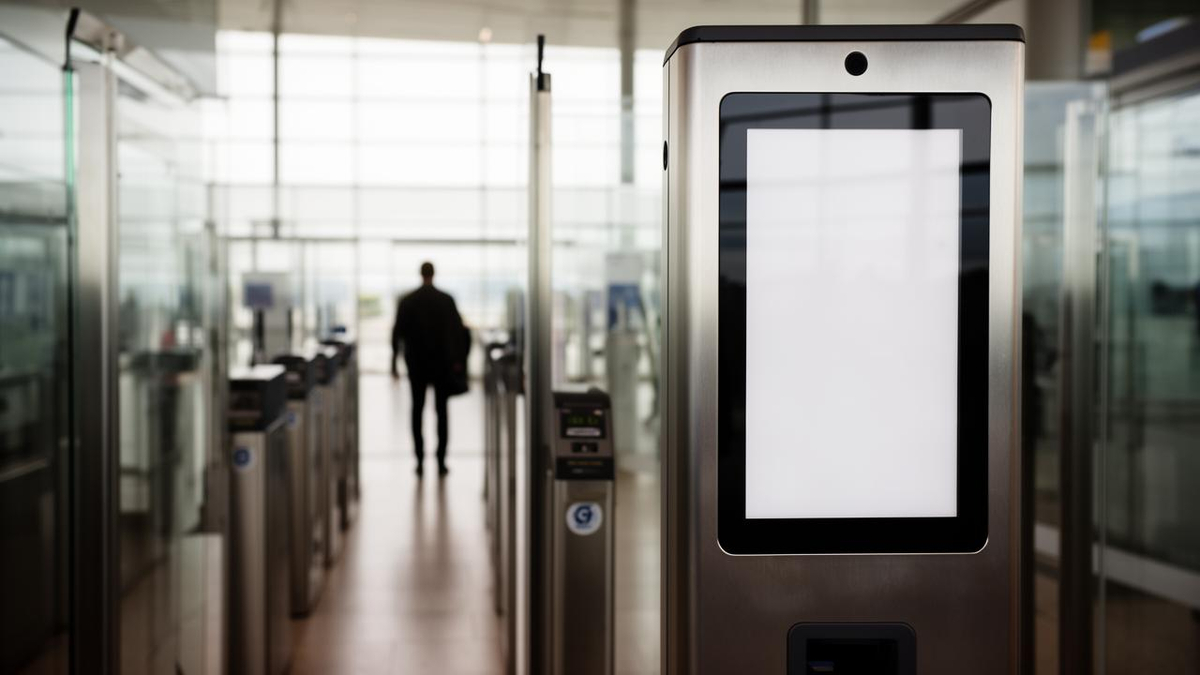
The Entry/Exit System serves as an automated biometric platform designed to replace manual passport stamping for non-EU visitors, including travelers from the U.S., Canada, and the UK, entering the Schengen area. Visitors must provide fingerprints and a facial image on first entry, creating digital records stored for up to three years to track visa overstayers and enforce the ninety-day-in-one-hundred-and-eighty-day rule. The system acts as a direct precursor to the upcoming European Travel Information and Authorization System.
While the digital framework functions across the Schengen zone, rollout enforcement has proven uneven, according to Travelmarketreport. First-time biometric registration frequently adds minutes per passenger, generating multi-hour queues at major airport hubs during peak travel periods. Technical malfunctions—such as fingerprint scanners failing when exposed to sweat—side-by-side with staff shortages have forced border authorities and airports to periodically suspend the platform and revert to manual passport checks. Airlines, including easyJet, have issued alerts warning that departure gates will not hold passengers delayed by government processing queues.
Despite the ongoing litigation, eu-LISA and the European Commission maintain that the legal proceedings have no impact on the current operation of the EES. Representatives emphasized that the dispute relates strictly to delivery delays during the development phase rather than day-to-day functionality.
Legal proceedings continue in Estonia. Harju County Court confirmed that the civil case has been formally accepted, though no court hearings have been held or scheduled as the parties await further procedural steps.