Fossil fuel emissions fall due to Iran war, renewables: Research
Global carbon emissions from fossil fuels are forecast to decline by 0.4% in 2026, driven by renewable energy expansion and severe oil shocks from conflict.
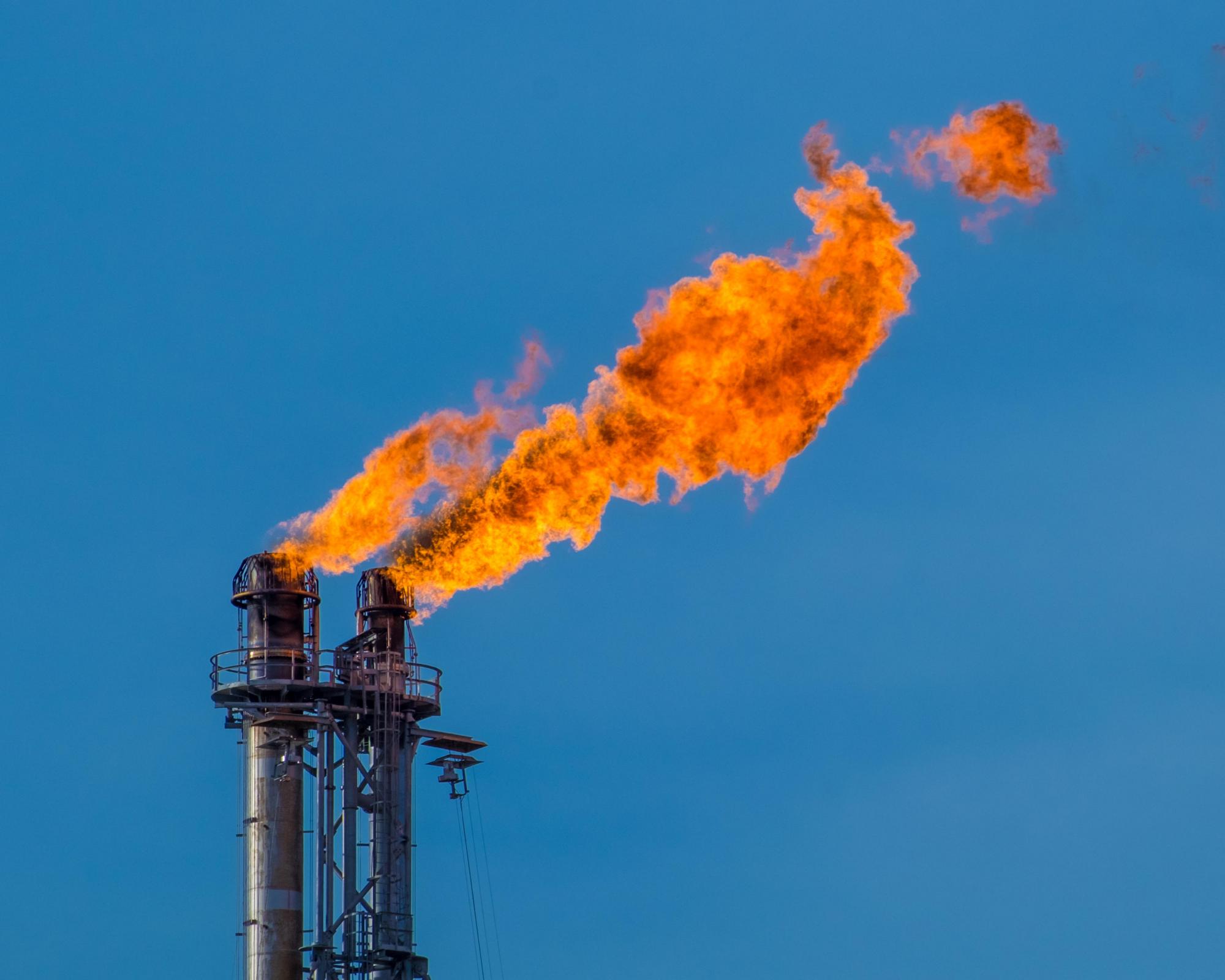
Global carbon emissions from fossil fuels are projected to experience a slight decline, driven by an expansion in renewable energy sources and severe oil price shocks resulting from conflict in the Middle East.
According to findings released on Tuesday, 10 November 2026, at the United Nations COP31 climate conference in Antalya, Turkey, worldwide carbon dioxide emissions from burning oil, gas, and coal are forecast to drop by 0.4% in 2026. The assessment, published in the journal Earth System Science Data by the Global Carbon Project, indicates that total fossil emissions will reach 38.2 billion tonnes of CO2. Researchers emphasize that while the downward trend appears positive, the primary catalyst is geopolitical disruption rather than structural climate progress.
Media additions

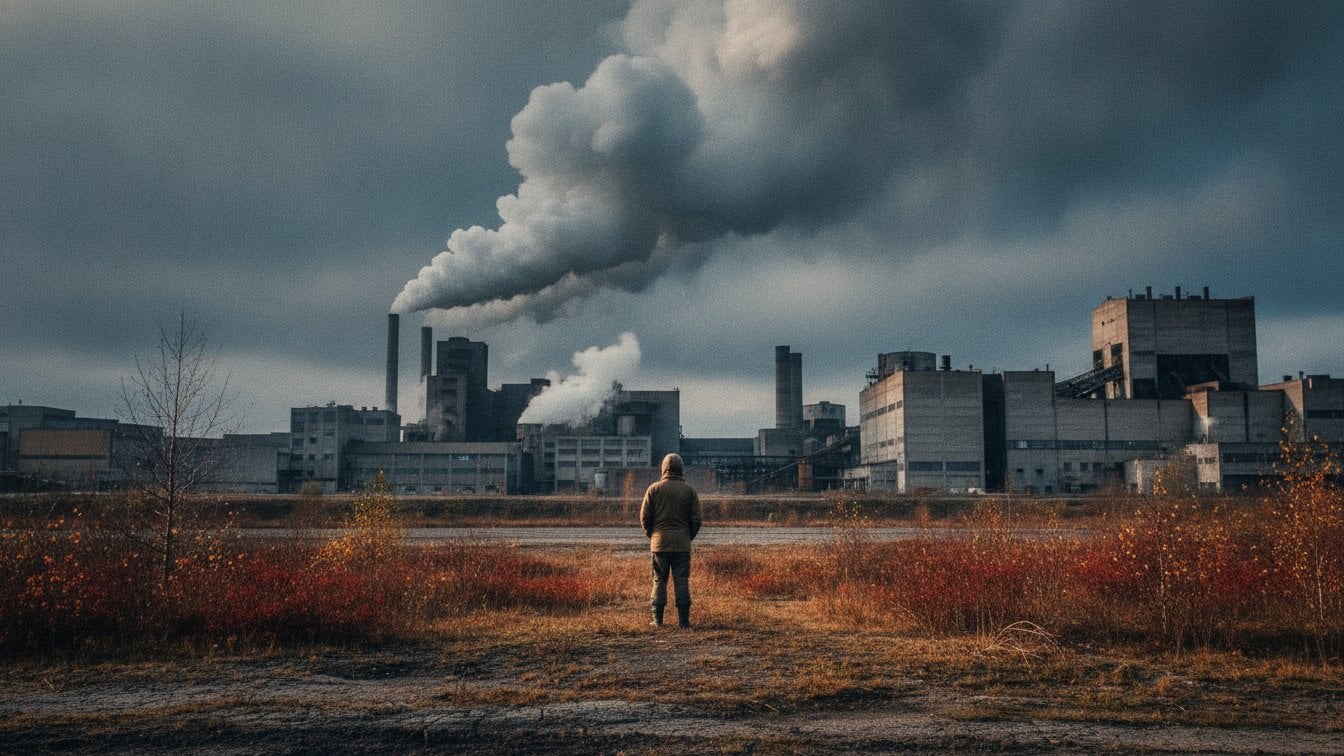

The conflict involving Iran has effectively closed the Strait of Hormuz, a critical shipping lane handling a significant share of global petroleum and natural gas supplies. This blockade created acute energy shortages across multiple nations, prompting increased consumer economising and a rapid flocking toward electric vehicles as gasoline and crude prices soared. Consequently, emissions from oil alone are expected to drop by 2%, while natural gas emissions are set to fall by 0.3%. Coal emissions, however, have bucked the trend, rising by 0.6% as some nations pivot back to dirtier solid fuels to maintain power generation amidst liquefied natural gas deficits.
Glen Peters, a senior researcher at the CICERO Center for International Climate Research in Norway, described the figures during presentations in Turkey.
Peters noted that unlike a gradual peak followed by a decline caused by green transitions, oil emissions surged upward before dropping abruptly due to the supply shock."It’s downwards which sounds good, but this is largely driven by the war in Iran, what’s happened in the Strait of Hormuz. So in a way, a little bit of good news, but for the wrong reasons."
Glen Peters, Scientist, CICERO Center for International Climate Research, via The Globe and Mail
Despite the dip in fossil fuel combustion, overall global carbon dioxide emissions are still projected to rise by about 1%, climbing from 42.8 billion tonnes last year to 43.3 billion tonnes. Researchers attribute this net increase to intensified land-use changes, widespread deforestation, and major peat fires in south-east Asia exacerbated by drier conditions linked to an El Niño climate pattern.
Regional responses to the energy crisis vary starkly. In China, carbon emissions fell by 3.1% between July and September, marking the largest quarterly drop since pandemic lockdowns. Analysts at Carbon Brief reported that Chinese oil use dropped 4% year-on-year, while coal fell 3% as massive installations of solar, wind, and nuclear generation met rising demand. Meanwhile, the United States is anticipated to reduce emissions by roughly 1.3% through lower coal consumption, even as domestic data-centre expansions drive a surge in gas-power investment.
Experts remain deeply divided on whether the current dip marks a turning point or merely a temporary blip. Bill Hare, chief executive of Climate Analytics, pointed out that a projected fall of 0.4% is statistically indistinguishable from zero, warning that the world remains on a trajectory toward a sustained temperature breach above 1.5 degrees Celsius by around 2030. Similarly, Pierre Friedlingstein of the University of Exeter cautioned that reductions tied to geopolitical shocks lack long-term sustainability without accelerated clean technology deployment.
Conversely, optimists like Niklas Höhne of the NewClimate Institute argue that permanent structural shifts are underway due to skyrocketing electric vehicle adoption across Asia. Mohamed Adow of Power Shift Africa noted that economies like China are undergoing fundamental transformations away from fossil fuel dependence, though millions of tonnes of carbon continue to enter the atmosphere every second.
What to watch next
- Ongoing negotiations and policy announcements at the COP31 summit in Antalya, Turkey.
- Future updates on the status of the Strait of Hormuz and potential stabilization or further escalation of global petroleum prices.