Foundayo weight‑loss diabetes pill hits UK pharmacies, warns of fakes
Foundayo weight‑loss diabetes pill hits UK pharmacies, warns of fakes
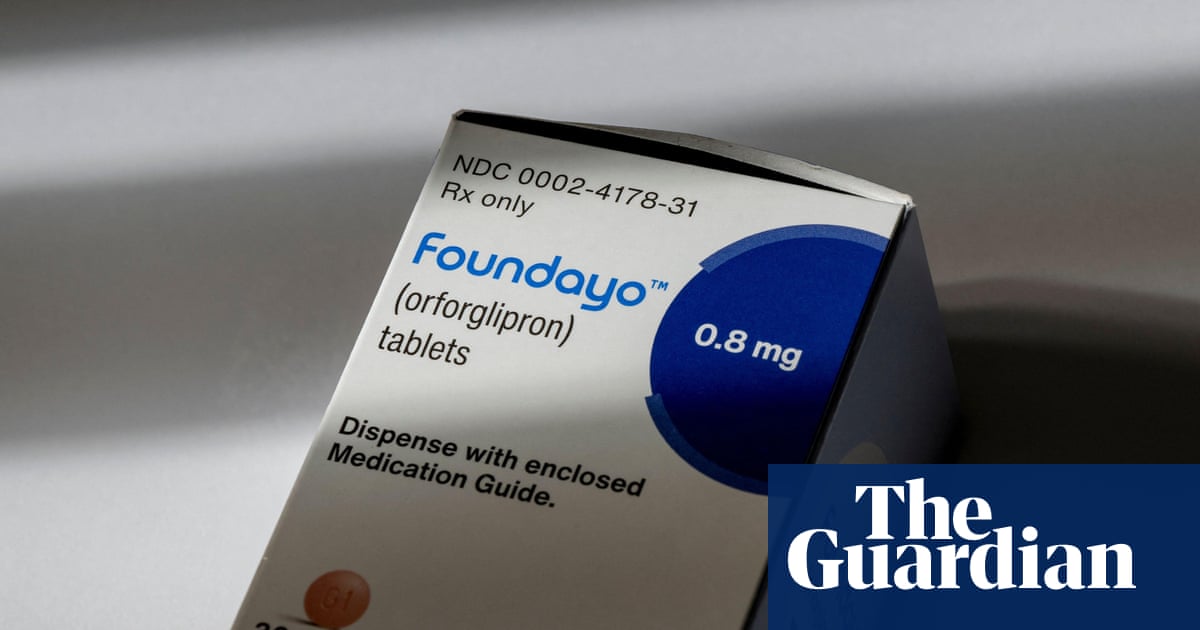
- Core Development: Foundayo weight‑loss diabetes pill hits UK pharmacies, warns of fakes
- Beat Context: Categorized under Business with independent corroboration.
- Reporting Depth: 5 minute analytical read synthesized from verified newsroom sources.
From Monday, pharmacies across the United Kingdom began dispensing Foundayo, an oral GLP‑1 drug that tackles type‑2 diabetes while shedding pounds. The launch matters because it gives patients who reject injectable brands a daily‑dose alternative, and it arrives just as counterfeit GLP‑1 tablets are flooding the market.
The pill, whose generic name is orforglipron, was cleared by the Medicines and Healthcare products Regulatory Agency (MHRA) earlier this month, making the UK the first European nation to grant it approval. It follows the agency’s June endorsement of a tablet version of the popular weight‑loss injectable Wegovy, marking a rapid shift toward oral therapy in a class previously dominated by injections.
Media additions

Eligibility mirrors the criteria for other GLP‑1 treatments: a body‑mass index of 30 or more, or a BMI between 27 and 30 plus at least one weight‑related condition. The drug also qualifies for patients whose blood‑sugar control is poor despite existing diabetes medication. It is supplied on a private prescription, with Eli Lilly working with the National Institute for Health and Care Excellence (NICE) to evaluate NHS coverage.
“The UK is the first country in Europe where Foundayo is now available,”
Khalil Asmar, vice‑president of cardiometabolic health at Lilly Northern Europe, via The Guardian
Asmar added that the pill expands the oral arsenal alongside licensed injectables, offering “another oral treatment option for eligible UK patients.” The sentiment is echoed by pharmacy leaders who see the launch as a watershed for weight‑management services that have long relied on sporadic GP referrals.
“This is another significant day with a second weight‑loss pill available from today in certain pharmacies. This is particularly significant for patients who cannot or do not want to take an injectable medicine and could make weight‑loss treatment available to a wider range of patients,”
Henry Gregg, chief executive of the National Pharmacy Association, via Yahoo
Gregg warned that the very convenience of a tablet makes it a target for counterfeiters. “It is easier for criminals to provide fake, unlicensed or counterfeit versions of oral medications than injectables and patients must make sure they only access weight‑loss treatments through safe and regulated pharmacies,” he said.
Last year, the MHRA seized unlicensed weight‑loss pens and ingredients worth a six‑figure sum from a factory in Northampton, underscoring the growing underground market for GLP‑1 products. Eli Lilly has already launched lawsuits against suppliers it alleges are feeding that illicit trade.
Key differences between Foundayo and the Wegovy tablet
| Feature | Foundayo (orforglipron) | Wegovy tablet |
|---|---|---|
| Dosage escalation | 0.8 mg → 2.5 mg → 5.5 mg → 9 mg → 14.5 mg → 17.2 mg, each level held for at least one month | Fixed dosing schedule (no tiered escalation reported) |
| Food & water restrictions | None – can be taken with or without food | Must be taken on an empty stomach with a small sip of water; wait 30 minutes before eating or drinking |
| Administration | Once‑daily oral tablet | Once‑daily oral tablet (different intake conditions) |
The flexible dosing pathway for Foundayo is designed to minimise side‑effects while gradually increasing therapeutic impact. By contrast, the Wegovy tablet remains bound by stricter intake rules, a factor that some patients find inconvenient.
Timeline of regulatory milestones
- June 2026 – MHRA approves the first GLP‑1 tablet for weight loss (Wegovy).
- Early August 2026 – MHRA authorises orforglipron (Foundayo) for diabetes and weight‑loss indications.
- 24 August 2026 – Private‑prescription availability begins in UK pharmacies.
- Late 2026 (forecast) – NICE completes health‑technology assessment; potential NHS rollout pending.
The rapid progression from approval to shelf‑stock reflects both industry pressure to capture a booming weight‑loss market and government interest in expanding affordable treatment options beyond the “postcode lottery” that currently dictates access via GP‑run weight‑management services.
Pharmacists are now tasked with a dual role: dispensing the approved product and policing the supply chain. Health‑authority guidance urges consumers to verify that any GLP‑1 tablet they purchase bears the MHRA’s product licence and to avoid “online marketplaces or unregistered outlets” that have previously been linked to counterfeit batches.
Industry analysts note that the oral format could broaden the demographic reach of GLP‑1 therapy. Patients who have cited injection anxiety, needle phobia, or inconvenient storage requirements have long waited for a convenient pill. The convenience factor may also shift prescribing patterns, prompting primary‑care clinicians to consider an oral first‑line option for eligible patients.
Nevertheless, the price point remains undisclosed, and private‑prescription costs could limit uptake among those without supplemental insurance. Health‑policy observers argue that if the NHS adopts Foundayo, it could level the playing field for patients across the country, but the decision hinges on NICE’s upcoming cost‑effectiveness review.
What to watch next
- NICE review outcome: The agency’s verdict on whether Foundayo should be funded on the NHS will shape nationwide accessibility.
- Enforcement actions: Ongoing MHRA crackdowns on counterfeit GLP‑1 tablets could see further seizures and prosecutions.
- Market response: Competitors may accelerate development of their own oral GLP‑1 candidates, potentially driving price competition.
- Patient uptake data: Early prescription figures will reveal whether the pill’s convenience translates into higher adherence compared with injectables.
For now, the onus is on patients, pharmacists, and regulators to keep the supply chain clean. As Gregg put it, “There must now be a redoubling of efforts within Government and the NHS to use pharmacies to make sure more eligible patients in clinical need can get weight‑loss treatments on the NHS, rather than the current postcode lottery that exists for weight‑management services via GPs.”
How significant is this development?
Contribute your assessment to the aggregated reader sentiment ledger.
Frequently Asked Questions
Key questions answered in this reportWhat is the key development in: Foundayo weight‑loss diabetes pill hits UK pharmacies, warns of fakes?
Foundayo weight‑loss diabetes pill hits UK pharmacies, warns of fakes
Why is this Business development significant for the UK?
This report covers critical events in our Business beat. Independent reporting monitors related UK statements, regulatory shifts, and public responses as further verified details emerge.
How was this reporting corroborated and verified?
Newsarchy UK compiles and cross-references reporting from primary reporting from theguardian.com and cross-checked wire reports. All coverage adheres to published editorial standards.
When was this report published?
This briefing was published on August 24, 2026 and is permanently cataloged in the Newsarchy UK Business archives.