Frasers Group completes rescue takeover of Harvey Nichols
Frasers Group has rescued luxury department store chain Harvey Nichols out of administration, concluding a competitive auction and protecting over 1,000 jobs.

- Core Development: Frasers Group has rescued luxury department store chain Harvey Nichols out of administration, concluding a competitive auction and protecting over 1,000 jobs.
- Beat Context: Categorized under Business with independent corroboration.
- Reporting Depth: 4 minute analytical read synthesized from verified newsroom sources.
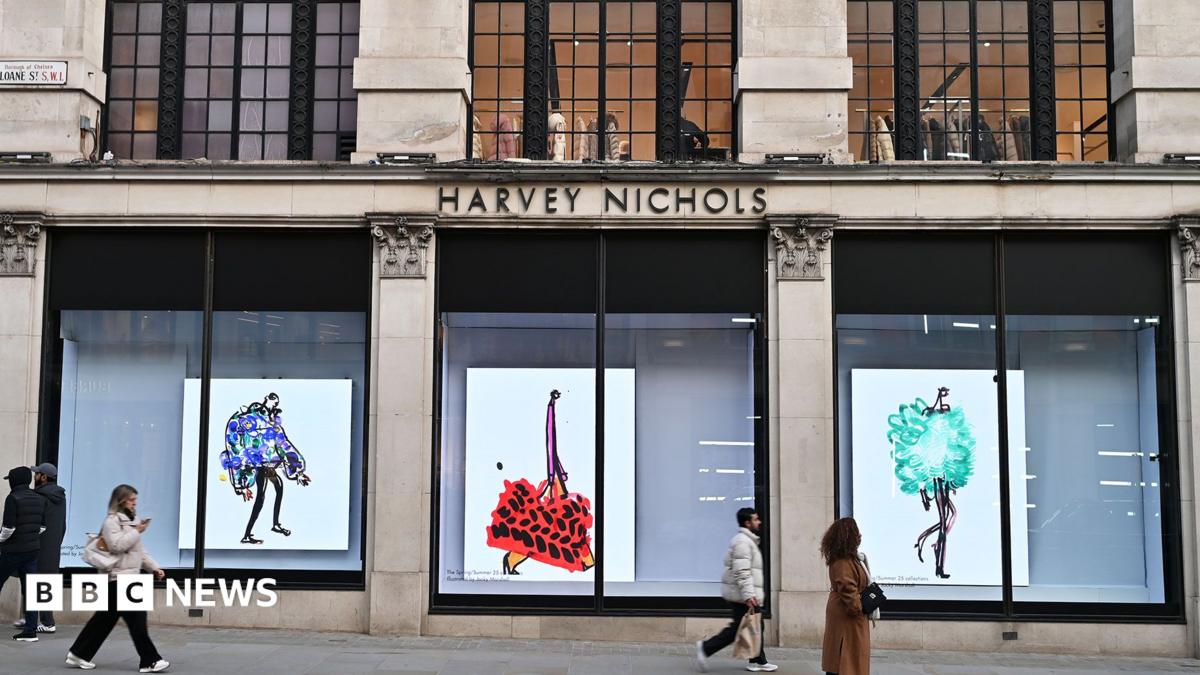
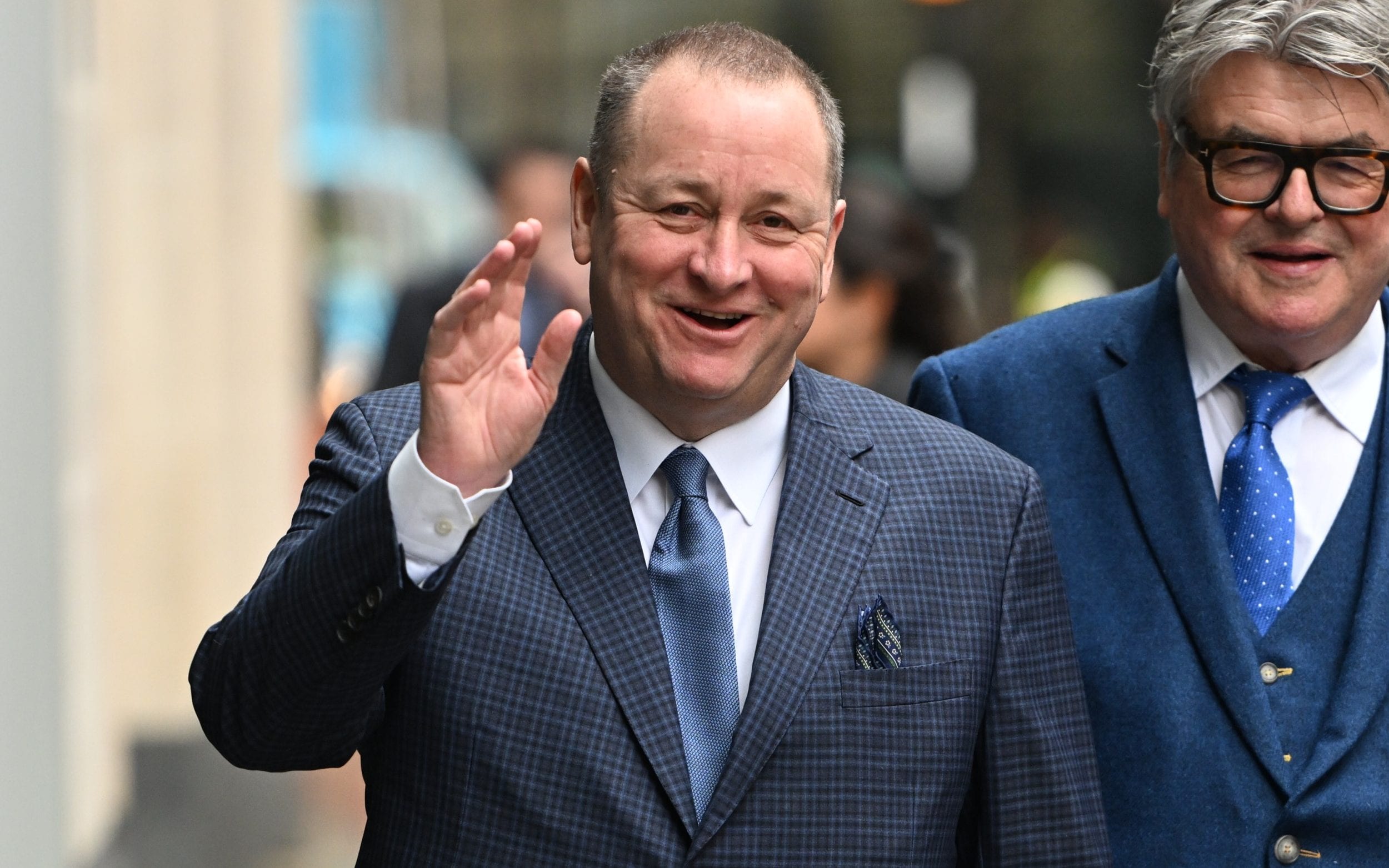
Luxury department store chain Harvey Nichols has been rescued from administration by Frasers Group, the retail empire majority-owned by billionaire Mike Ashley, bringing an end to decades of ownership by Hong Kong-based businessman Sir Dickson Poon. The high-profile transaction concluded a competitive auction process that saw Frasers battle retail rival Next to take control of the iconic brand. Founded in 1831, the centuries-old institution was immortalised in the 1990s by the Bbc sitcom Absolutely Fabulous, where characters Edina and Patsy made frequent retail therapy trips for shopping and long liquid lunches at the store affectionately dubbed "Harvey Nicks".
The rescue agreement follows a turbulent period for the retailer, which suffered five consecutive years of losses and warned in accounts that it would need to cease trading within a year without fresh funding or a buyer. According to administration filings reported by Aol, the company registered an after-tax loss of £48.7m in the year to March 2025, alongside a ten percent drop in sales to £184.8m. The luxury brand battled sustained trading and operational challenges, compounded by broader economic pressures including inflation, the cost of living squeeze, currency movements, and the abolition of VAT-free shopping for overseas tourists in London alongside changes to the non-dom tax regime.
Media additions

Chief Executive Michael Murray stated that significant restructuring will be necessary to stabilise the retailer and integrate it into the Frasers Group ecosystem.
Murray added that tough choices may result in a smaller business in the near term to secure long-term sustainability, noting that reviews of store portfolios, management structures, and operating costs are underway. Mike Ashley previously described the retailer as being in a death spiral and indicated he would be surprised if it fetched more than £40m, noting that massive department store buildings are expensive to maintain."Harvey Nichols is an iconic British institution with significant potential but it is clear meaningful change is needed"
Michael Murray, Chief Executive
Retail analysts point out that traditional department stores require constant capital injection. Catherine Shuttleworth, boss of Savvy Marketing, observed that stores had suffered from a lack of investment and appeared tired, describing department stores as cash-hungry monsters that demand constant visual appeal at the top end of the luxury market. However, Shuttleworth also noted that Murray has his finger on the pulse of younger shoppers, suggesting the location could become more Flannels-esque than Sports Direct-esque.
Despite the challenges, the rescue package protects more than 1,000 jobs across the UK estate. The acquisition encompasses the online operation, inventory, international franchise agreements, and six main UK stores located in London, Manchester, Birmingham, Bristol, Leeds, and Edinburgh, anchored by the historic Knightsbridge flagship. However, the transaction excludes the famed OXO Tower restaurant on London's South Bank, which was sold separately to a third party, and leaves the Dublin operations out of the transaction entirely, placing additional local jobs in uncertainty.
The takeover represents another step in Frasers Group's ongoing strategy to elevate its retail portfolio into the luxury sector, echoing previous acquisitions such as House of Fraser, Flannels, Gieves & Hawkes, and Agent Provocateur, alongside significant investments and outright takeover attempts targeting high-end fashion houses including Burberry, Mulberry, and Hugo Boss. Sir Dickson Poon originally purchased the business for £53m in 1991 and expanded it into an international luxury retailer, though the formula struggled to travel beyond its Knightsbridge flagship amid growing online competition.
Store portfolio and future outlook
- Knightsbridge Flagship: Retained under the core brand, with expected experiential upgrades and continued operation under the Harvey Nichols banner.
- Regional Estate: Includes branches in Manchester, Birmingham, Bristol, Leeds, and Edinburgh.
- Rebranding Potential: Mike Ashley indicated that select locations outside the core flagships could transition to other Frasers-owned banners such as House of Fraser or Flannels.
- Exclusions: The London OXO Tower restaurant and the Dublin business were carved out from the rescue deal, leaving their operations separate or uncertain.
Administrators from FTI Consulting expressed satisfaction at securing a buyer that provides operational continuity and safeguards the underlying value of the retailer. Lindsay Hallam, senior managing director at FTI Consulting, stated that the priority was delivering the best possible outcome for stakeholders and securing a future for the historic business. Meanwhile, Harvey Nichols chief executive Julia Goddard noted that the agreement establishes a strong platform for the next phase of the brand's evolution following a difficult trading cycle and recent efforts to strengthen the brand DNA.
As Frasers Group initiates its comprehensive portfolio review, leadership plans to focus on experiential retail concepts rather than relying solely on traditional floor space. Murray previously told the press that massive stores require a diversity of activities, suggesting the introduction of relevant food, drink, and fitness concepts to drive customer footfall. Further announcements regarding management structures, store portfolio rationalisation, and operating cost reductions are expected as the integration process moves forward following the administration process.
How significant is this development?
Contribute your assessment to the aggregated reader sentiment ledger.
Frequently Asked Questions
Key questions answered in this reportWhat is the key development in: Frasers Group completes rescue takeover of Harvey Nichols?
Frasers Group has rescued luxury department store chain Harvey Nichols out of administration, concluding a competitive auction and protecting over 1,000 jobs.
Why is this Business development significant for the UK?
This report covers critical events in our Business beat. Independent reporting monitors related UK statements, regulatory shifts, and public responses as further verified details emerge.
How was this reporting corroborated and verified?
Newsarchy UK compiles and cross-references reporting from primary reporting from aol.com and cross-checked wire reports. All coverage adheres to published editorial standards.
When was this report published?
This briefing was published on August 13, 2026 and is permanently cataloged in the Newsarchy UK Business archives.