Spain industrial prices rise 13.2% in August
Spain's industrial inflation reached 13.2% year-on-year in August 2026, driven primarily by soaring energy costs and volatile Middle East markets.
- Core Development: Spain's industrial inflation reached 13.2% year-on-year in August 2026, driven primarily by soaring energy costs and volatile Middle East markets.
- Beat Context: Categorized under Transport with independent corroboration.
- Reporting Depth: 4 minute analytical read synthesized from verified newsroom sources.
Industrial prices in Spain accelerated sharply in August 2026, with factory-gate inflation rising 13.2% year-on-year, driven primarily by soaring energy costs according to Adalytica. This surge points to fresh upstream price pressure for manufacturers, utilities, and transport firms across Europe as the region grapples with volatile energy markets and geopolitical risks tied to the Middle East.
The annual rate in Spain was 3.8 percentage points above July 2026 and extended a six-month run of increases, according to the national statistics office reported via Adalytica. Energy served as the principal driver, as electricity production, transport and distribution, petroleum refining, and gas output all became significantly more expensive. Coke and refinery products surged 56.8% from a year earlier, while electricity and gas supply prices rose 27%.
Media additions

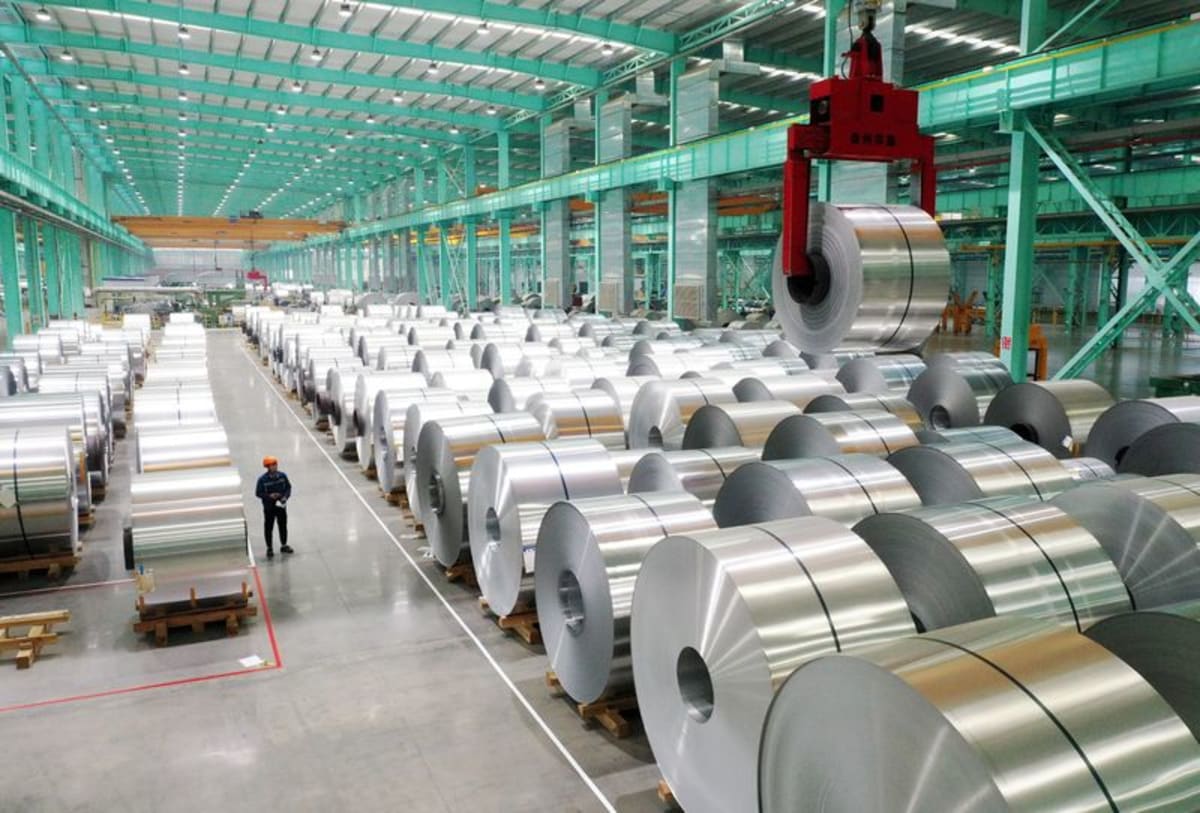
Excluding energy, Spanish industrial prices increased 3.5% year-on-year, a fraction higher than the previous month and well below the headline rate. On a monthly basis, industrial prices increased 2.9% in August 2026, led by a 7.4% jump in electricity production and distribution, a 10% rise in refining, and a 7% increase in gas production, suggesting that pricing pressure continues to build rather than ease.
Regional figures showed variations, with Galicia recording a slightly milder 12.5% increase compared to the national average. Investors and analysts are closely monitoring whether this sustained energy-led inflation will force margins lower for industrials and keep policymakers on guard, connecting to broader concerns over UK house prices fall for first time since 2023 and global economic stability.
| Region / Country | Index / Metric | August 2026 Figure | Previous Month / Trend |
|---|---|---|---|
| Spain | Industrial Prices (YoY) | 13.2% | Up 3.8 percentage points from July |
| Singapore | Domestic Supply Price Index (YoY) | 38.8% | Accelerated from 33.6% in July |
| Singapore | Manufactured Products PPI (YoY) | 40.1% | Accelerated from 35.4% in July |
| China | Producer Price Index (YoY) | 3.8% | Accelerated from 3.5% in July |
| South Korea | Producer Price Index (YoY) | 6.6% | Up from 6.5% in July |
The upward pressure on factory-gate prices was not confined to Europe. In Asia, Finwires reported that Singapore's Domestic Supply Price Index rose 38.8% year-over-year in August 2026, while the Singapore Manufactured Products Price Index grew 40.1%, according to the Singapore Department of Statistics. Concurrently, Aol noted that China's producer price index rose 3.8% from a year earlier, driven by elevated energy costs tied to supply risks from the Middle East conflict, beating Reuters poll forecasts.
The Edge Malaysia reported that China's consumer inflation also accelerated for the first time since April, with Brent oil moving closer to $100 a barrel following US strikes near Kharg Island. Furthermore, semiconductor shortages sent some chip prices soaring by up to 700% over the past year, while non-ferrous metal smelting and processing prices in China surged 20.8% year-on-year.
In South Korea, producer price inflation hit a four-month high in August 2026, driven by higher food and utility costs according to The Korea Times. BOK Governor Kim Choong-soo admitted that price pressures have exceeded expectations, putting the government's inflation target in jeopardy while the central bank kept interest rates on hold at 3.25 percent.
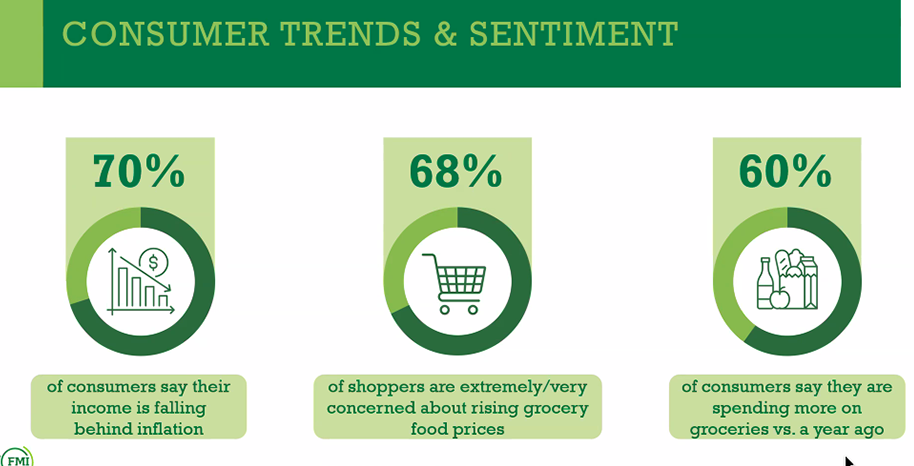
Supply chain impacts are also reaching retail and agricultural sectors. Andy Harig, vice president at FMI – The Food Industry Association, noted during a media briefing that food-at-home prices held flat in August 2026, with grocery inflation slowing to 2.2 percent year over year. However, Cal Poly agribusiness professor Ricky Volpe warned that the flat reading conceals wide variations and that higher energy costs in crude oil, diesel, warehousing, and long-haul trucking are working their way through the food supply chain. Volpe noted that energy accounts for roughly 3 or 4 percent of the retail food dollar, creating a compounding effect as agricultural production and food manufacturing are highly energy-intensive.
Transportation and operational costs have surged downstream. Tyler Mobley of JT's Tree Services in Xenia noted the sudden spike in fuel expenses reported by Yahoo News, pointing out that businesses burning hundreds of gallons of diesel daily could not absorb the costs into existing quotes. AAA confirmed that August 2026 set a record for the most expensive August at the pump in Ohio, driven by crude oil uncertainty near the Strait of Hormuz. Cedarville University economics professor Jared Pincin added that industries such as aviation faced immediate input cost pressures that complicate ticket pricing.
What to Watch Next
- Upcoming national statistics office releases on third-quarter manufacturing margins across Spain and the broader Eurozone.
- Potential policy decisions from central banks, including the Bank of Korea and the People's Bank of China, as they balance persistent energy inflation against slowing domestic growth.
- Retail food price adjustments as delayed supply chain and diesel transportation costs filter through grocery inventories ahead of the winter holiday season.
- Developments in Middle East shipping corridors and their immediate pass-through effect on global crude oil benchmarks and domestic fuel pricing.
How significant is this development?
Contribute your assessment to the aggregated reader sentiment ledger.
Frequently Asked Questions
Key questions answered in this reportWhat is the key development in: Spain industrial prices rise 13.2% in August?
Spain's industrial inflation reached 13.2% year-on-year in August 2026, driven primarily by soaring energy costs and volatile Middle East markets.
Why is this Transport development significant for the UK?
This report covers critical events in our Transport beat. Independent reporting monitors related UK statements, regulatory shifts, and public responses as further verified details emerge.
How was this reporting corroborated and verified?
Newsarchy UK compiles and cross-references reporting from primary reporting from AOL.com and cross-checked wire reports. All coverage adheres to published editorial standards.
When was this report published?
This briefing was published on September 30, 2026 and is permanently cataloged in the Newsarchy UK Transport archives.