Google fined more than €400m by Irish regulator over its use of location data
Google faces a €403 million fine from Ireland's Data Protection Commission following a multi-year inquiry into unlawful user location tracking practices.
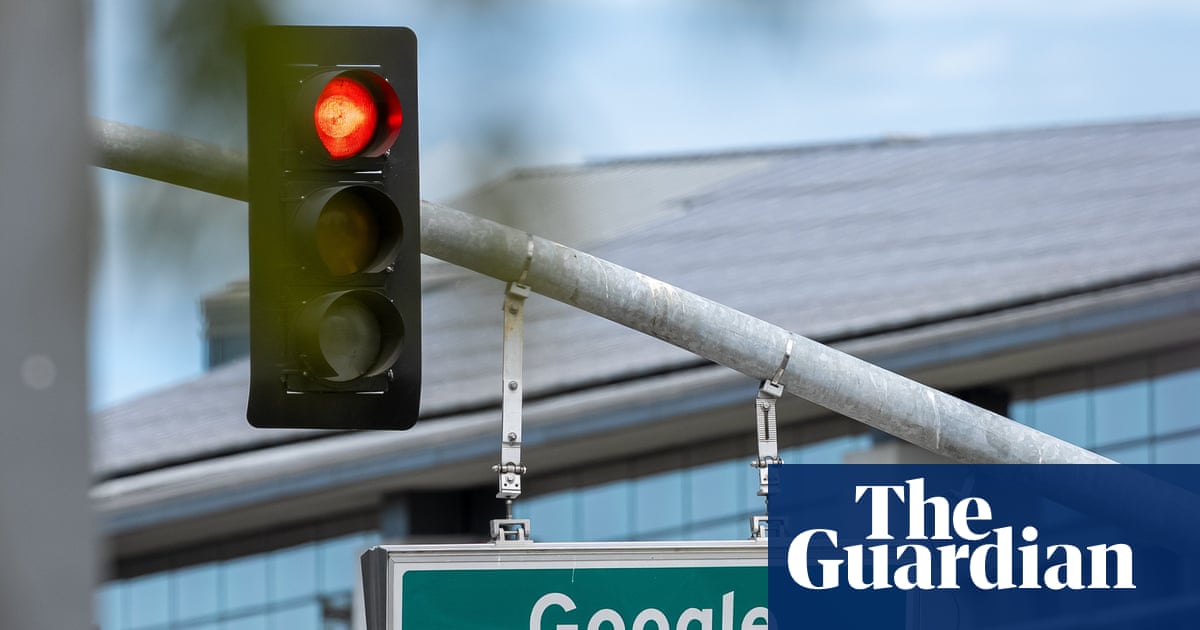
- Core Development: Google faces a €403 million fine from Ireland's Data Protection Commission following a multi-year inquiry into unlawful user location tracking practices.
- Beat Context: Categorized under Business with independent corroboration.
- Reporting Depth: 3 minute analytical read synthesized from verified newsroom sources.
Google has been hit with a massive financial penalty by European regulators over its handling of personal location data, concluding a lengthy investigation into the tech giant's tracking practices. Ireland's Data Protection Commission announced a fine totaling €403 million against the company, equivalent to approximately $462 million or £345 million, following a multi-year inquiry into how user movements were logged, stored, and monetized across mobile devices.
The penalty, reported by The Guardian, stems from an inquiry originally launched six years ago. The investigation examined activities conducted between 25 May 2018 and 4 February 2020. European consumer rights organizations, including the pan-European consumer organization BEUC and the Norwegian consumer agency Forbrukerrådet, originally raised alarms that Google manipulated users into agreeing to continuous tracking on mobile phones.
Media additions



According to Siliconangle, the regulatory scrutiny zeroed in on three specific features: Web & App Activity, Timeline, and Google Location Accuracy. Web & App Activity collects information when enabled to personalize search results and local ads. Timeline logs device locations on an opt-in basis to generate maps of visited places and travel routes. Meanwhile, Google Location Accuracy utilizes built-in GPS modules alongside cellular and Wi-Fi network signals—including unique router MAC addresses—to pinpoint device whereabouts when GPS data is unavailable indoors.
Regulators concluded that Google failed to meet the lawfulness, fairness, and transparency requirements mandated by the European Union's General Data Protection Regulation. As detailed by Bleepingcomputer, the watchdog found that the company retained users' location information for longer than necessary, aggravating a loss of control over personal data.
"As a result of Google’s failures in this regard, individuals could have been unaware that their location was being used to, for example, influence them with ads or to infer their interests, and could lose control over their personal data. The retention of users’ location data for longer than necessary aggravated this loss of control."
Graham Doyle, Deputy Commissioner at the DPC, via The Guardian
The foundational research driving the inquiry, initially conducted by Norwegian consumer advocates, warned that continuous location tracking could inadvertently reveal intimate details about a person's life. Such data streams can expose religious beliefs through visits to places of worship, political leanings via attendance at demonstrations, health conditions through hospital visits, and sexual orientation based on patronized venues.
In response to the ruling, a Google spokesperson emphasized that the case centers around historical policies that have since been revised. The company stated that it has significantly evolved its practices and launched robust tools to simplify location data management since 2019. Furthermore, Google noted that Map Timeline information is now stored directly on user devices and automatically deletes data older than three months, while Web & App Activity saves estimated general areas rather than precise device locations.
| Regulator | Target Company | Fine Amount | Primary Infringement |
|---|---|---|---|
| Data Protection Commission (Ireland) | €403 million | Unlawful location data processing and transparency failures | |
| Data Protection Commission (Ireland) | Meta (Facebook & Instagram) | €390 million | Targeted advertising and GDPR contractual basis breaches |
| Data Protection Commission (Ireland) | €405 million | Child data privacy and public business account settings |
This penalty represents the fourth-largest fine issued by the Irish watchdog since the GDPR came into force. The DPC serves as the lead supervisory authority for major United States technology companies with European headquarters located in Ireland. Consumer advocates have previously criticized the regulator for perceived delays and leniency, though digital policy directors have welcomed the enforcement action as an important milestone in online rights protection.
Alongside the financial penalty, the Irish regulator ordered Google to bring its data processing operations into full compliance with European regulations within six months. The ongoing scrutiny highlights a broader friction point across technology sectors, where regulators increasingly challenge the programmatic advertising models reliant on continuous consumer surveillance.
How significant is this development?
Contribute your assessment to the aggregated reader sentiment ledger.
Frequently Asked Questions
Key questions answered in this reportWhat is the key development in: Google fined more than €400m by Irish regulator over its use of location data?
Google faces a €403 million fine from Ireland's Data Protection Commission following a multi-year inquiry into unlawful user location tracking practices.
Why is this Business development significant for the UK?
This report covers critical events in our Business beat. Independent reporting monitors related UK statements, regulatory shifts, and public responses as further verified details emerge.
How was this reporting corroborated and verified?
Newsarchy UK compiles and cross-references reporting from primary reporting from theguardian.com and cross-checked wire reports. All coverage adheres to published editorial standards.
When was this report published?
This briefing was published on September 22, 2026 and is permanently cataloged in the Newsarchy UK Business archives.