Trump, Xi and Putin to hold first three-way summit in China
US, Chinese, and Russian leaders are set to hold an unprecedented trilateral summit in Shenzhen on the sidelines of APEC to address nuclear non-proliferation.

US President Donald Trump, Chinese President Xi Jinping, and Russian leader Vladimir Putin will hold an unprecedented three-way meeting in Shenzhen, China, next week, opening a direct channel on nuclear arms reduction and regional stability as global arms-control frameworks continue to fray.
The historic summit, confirmed by the White House on Friday, will take place on the sidelines of the Asia-Pacific Economic Cooperation (APEC) gathering. Senior US officials briefing reporters characterized the upcoming session as an initial conversation and a necessary entry point rather than a venue for immediate breakthroughs. The meeting arrives roughly nine months after the expiration of the New START treaty between Washington and Moscow, which had capped the world's largest atomic arsenals for more than half a century without a successor agreement in place.
Media additions

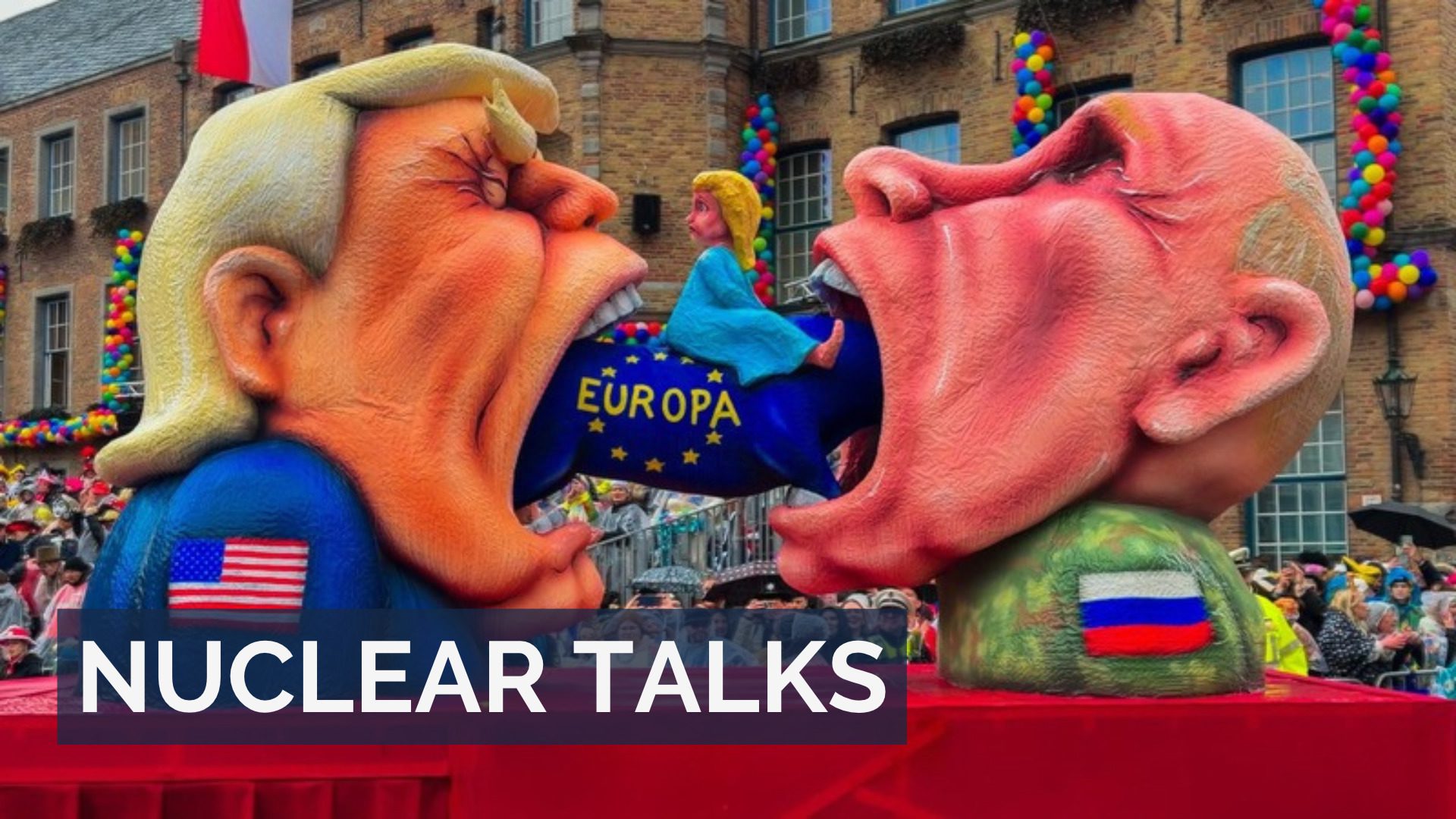
According to White House spokeswoman Olivia Wales, nuclear non-proliferation will form the core of the agenda. The president has made it clear that, among other topics, he will discuss the reduction of nuclear weapons in the world. This proliferation, President Trump believes, is very dangerous,
Wales told reporters, as reported by CBS News. US officials emphasized that Trump aims to draw China into future arms-control frameworks, noting that Beijing's rapidly growing nuclear stockpile remains significantly smaller than the multi-thousand warhead inventories held by the US and Russia.
Analysts and regional actors have watched the planning with mixed reactions. Ukrainian President Volodymyr Zelenskyy has voiced sharp concern that the trilateral format could mirror the 1945 Yalta Conference, warning of a potential redistribution of spheres of influence without Kyiv at the table, according to CNA. Responding to those comparisons, the Kremlin dismissed the parallel, arguing that any understandings reached in Shenzhen cannot be imposed on third countries.
| Nuclear Power | Estimated Warhead Inventory | Arms Control Status |
|---|---|---|
| United States | Over 5,000 | Bilateral caps lapsed with New START expiration in February |
| Russia | Over 5,000 | Bilateral caps lapsed with New START expiration in February |
| China | Over 600 | Historically outside formal trilateral reduction treaties |
US officials clarified the boundaries of the discussions ahead of departure. While Trump intends to raise the ongoing conflict involving Iran with Xi and Putin, the war in Ukraine will be kept off the Shenzhen agenda entirely. Washington maintains a separate diplomatic track for European security talks, and officials noted that because China is not party to those negotiations, raising Ukraine in Shenzhen would be inappropriate. Furthermore, the administration stated that bilateral tech tensions, export controls, and recent semiconductor leadership investigations involving Nvidia will not be negotiated during the trip.
Billionaire entrepreneur Elon Musk will accompany Trump on parts of his Asian itinerary, though officials confirmed he will not participate directly in the trilateral talks. Trump departs Washington on Monday, traveling first to Manila for Association of Southeast Asian Nations meetings before heading onward to Shenzhen for the APEC leaders' events and Thursday's landmark three-way summit.
What to Watch Next
- President Trump's arrival in Manila on Tuesday for ASEAN security and trade meetings.
- Bilateral working sessions and a working lunch between Trump and Xi Jinping in Shenzhen ahead of the trilateral.
- The scheduled three-way meeting on Thursday on the sidelines of the APEC summit.
Find further context and ongoing updates across our World coverage.