Johnson & Johnson agrees $5.5bn settlement to resolve talc cancer lawsuits
Johnson & Johnson announced an estimated $5.5 billion settlement to resolve tens of thousands of lawsuits alleging its talc-based baby powder caused ovarian cancer.
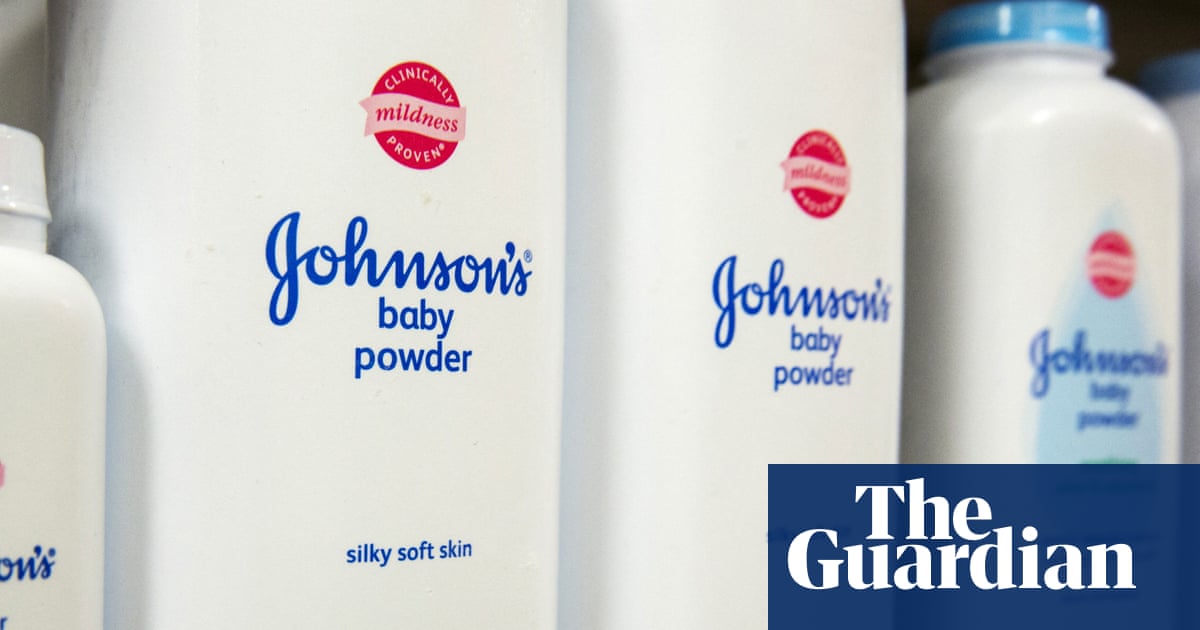
- Core Development: Johnson & Johnson announced an estimated $5.5 billion settlement to resolve tens of thousands of lawsuits alleging its talc-based baby powder caused ovarian cancer.
- Beat Context: Categorized under Business with independent corroboration.
- Reporting Depth: 4 minute analytical read synthesized from verified newsroom sources.
On Monday 28 July 2026, Johnson & Johnson announced an estimated $5.5 billion settlement to resolve tens of thousands of lawsuits alleging that its baby powder and other talc-based products caused ovarian cancer. The proposed agreement covers roughly 69,000 to 76,000 remaining claims consolidated in a federal court in New Jersey as well as related cases pending in state courts, according to reports from multiple news outlets.
The multinational healthcare group stated that the deal applies to nearly all remaining talc claims against the company, though it excludes separate mesothelioma claims that J&J has said it will address separately. Future lawsuits are also excluded from the current agreement. Plaintiffs' law firms confirmed the accord on Monday, noting that excluding future claims leaves more money available for current plaintiffs and accelerates payments so that all claims will be paid within 18 months instead of being spread out over more than a decade, Seeger said.
Media additions

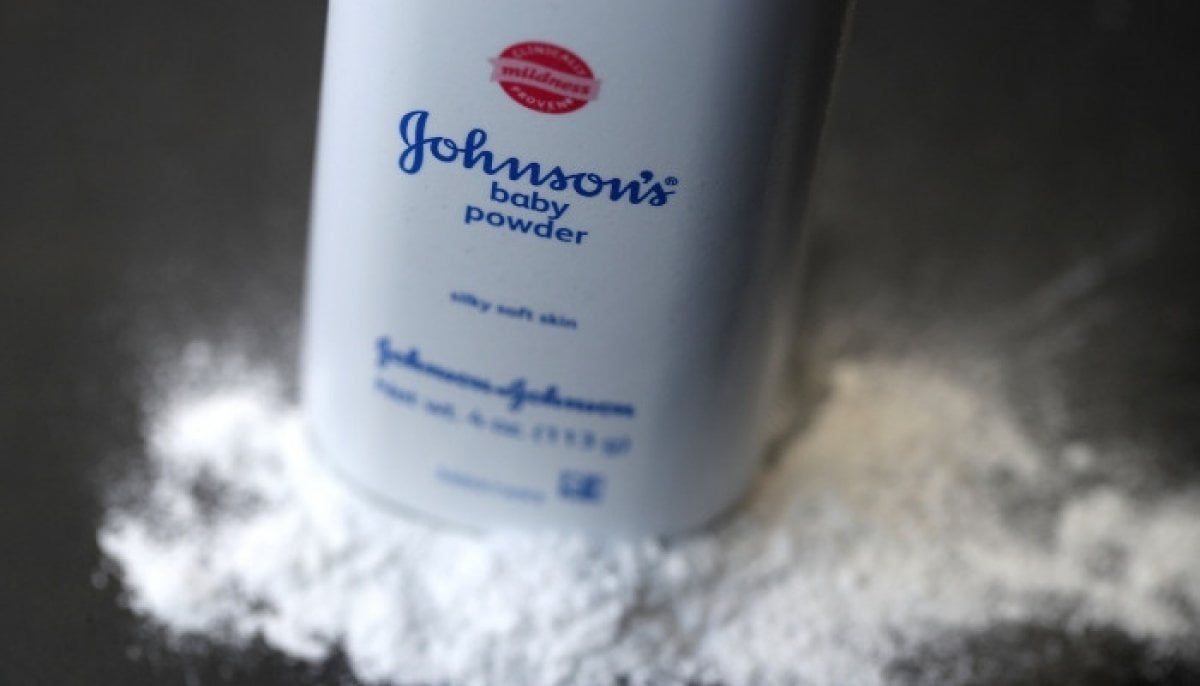
Key terms and financial structure
Johnson & Johnson expects to pay $3bn in 2027, and it will make further payments in 2028. However, the final financial outlay could climb higher. Chris Seeger, a lawyer who represents about 2,500 clients with talc claims and helped negotiate the agreement, said Johnson & Johnson could ultimately pay $7bn or more. The settlement assigns specific values to qualifying ovarian cancer claims but does not cap Johnson & Johnson’s total payout, Seeger said.
"We got a fair settlement, and our clients are going to be happy with it."
Chris Seeger, plaintiffs’ lawyer, via The Guardian and The Independent
The deal must be accepted by 95% of the ovarian cancer claimants in state or federal court before it becomes final. If the required acceptance rate is not met, the deal risks collapse and the underlying litigation could continue.
Company stance and prior legal battles
Johnson & Johnson has long denied that its talc products caused cancer, saying that talc was safe and did not contain asbestos. Erik Haas, J&J's worldwide vice president of litigation, characterized the allegations as meritless while framing the financial resolution as a practical measure to achieve closure.
"These claims lack scientific merit and were sustained only by unreliable expert opinions that could not survive rigorous judicial review."
Erik Haas, vice-president of litigation, via STV
"While we are confident the company would have ultimately prevailed with further litigation, as it has in the vast majority of cases tried to date, this resolution allows the company to put this matter behind it and remain focused on its mission to develop medicines and devices that save lives," Haas said.
Erik Haas, vice-president of litigation, via The Guardian and The Independent
The settlement follows a turbulent legal history spanning more than a decade. The lawsuits date back to 2009, when consumers began claiming that prolonged use of J&J's talc-based baby powder caused ovarian cancer because the talc was allegedly contaminated with asbestos. Before the bankruptcy attempts, Johnson & Johnson had a mixed record in talc trials, with a multibillion dollar verdict in favour of 22 women who said baby powder caused their ovarian cancer. The company won some trials outright and had other verdicts reduced on appeal. The World Health Organization classified talc as "probably carcinogenic to humans" in 2024.
Before reaching the direct settlement, Johnson & Johnson spent more than three years pursuing a legal strategy known as the "Texas two step", filing three bankruptcies through a shell-company subsidiary in an effort to settle the cases. Each bankruptcy ended in dismissal. Litigation resumed in March 2025.
Catalysts and international proceedings
Johnson & Johnson won a significant court victory in the long-running legal battle last week, when a federal judge cast doubt on individual plaintiffs' ability to prove that talc specifically caused their ovarian cancer.
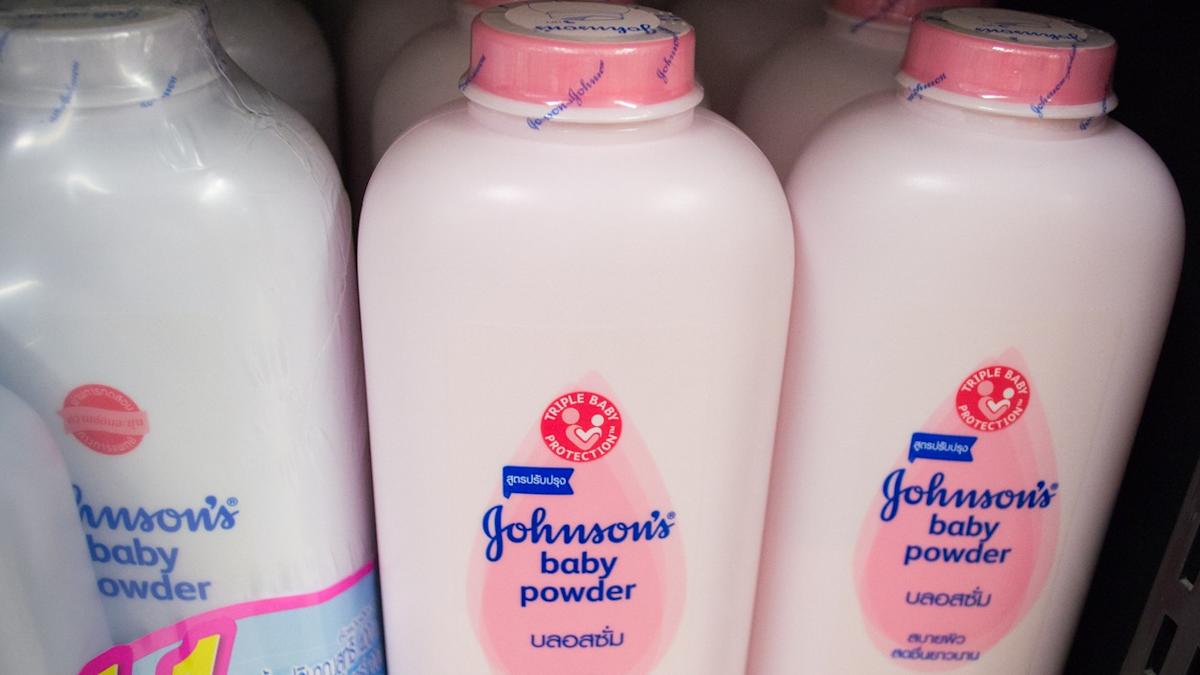
The company stopped selling talc-based baby powder in the US in 2020, switching to a cornstarch product. Global consumer health company Kenvue, known for brands like Calpol, Listerine and Aveeno, is liable for Johnson’s baby powder outside North America, after the company separated in 2023.
The U.S. Settlement also leaves separate international actions untouched. KP Law said they believe J&J “knew as early as the 1970s that asbestos in its talc products was dangerous,” but continued to sell products in the UK until 2022. Those UK proceedings continue independently of the North American agreement.
What to watch next
- Claimant voting threshold – The entire agreement depends on securing acceptance from 95% of eligible ovarian cancer claimants or their legal representatives.
- Payment rollout – Johnson & Johnson expects to pay $3bn in 2027, and it will make further payments in 2028.
- International litigation – Separate legal actions, such as the UK group proceedings involving over 7,000 claimants, will proceed outside the scope of this U.S. Settlement.
How significant is this development?
Contribute your assessment to the aggregated reader sentiment ledger.
Frequently Asked Questions
Key questions answered in this reportWhat is the key development in: Johnson & Johnson agrees $5.5bn settlement to resolve talc cancer lawsuits?
Johnson & Johnson announced an estimated $5.5 billion settlement to resolve tens of thousands of lawsuits alleging its talc-based baby powder caused ovarian cancer.
Why is this Business development significant for the UK?
This report covers critical events in our Business beat. Independent reporting monitors related UK statements, regulatory shifts, and public responses as further verified details emerge.
How was this reporting corroborated and verified?
Newsarchy UK compiles and cross-references reporting from primary reporting from theguardian.com and cross-checked wire reports. All coverage adheres to published editorial standards.
When was this report published?
This briefing was published on July 28, 2026 and is permanently cataloged in the Newsarchy UK Business archives.