McDonalds commits 8.5 billion to restaurant modernization and training
McDonald's is investing up to $8.5 billion through 2036 into restaurant modernizations, AI integration, and a massive global workforce upskilling initiative.

McDonald's has committed substantial financial resources toward restaurant modernisation and workforce upskilling, aiming to revitalize its business model as the fast-food giant contends with shifting consumer habits and broader economic pressures. The sweeping operational adjustments arrive as the company seeks to turn frequent visitors into repeat customers through targeted food quality improvements, technology integration, and employee training initiatives.
According to reporting from CNBC, the corporate entity plans to spend up to $8.5 billion through 2036 to accelerate franchisee investments in restaurant improvements. Of that total, approximately $5 billion will be deployed through 2030 via a combination of rent relief and direct capital spending. These investments build upon the growth framework introduced earlier under the banner of McDonald's > NEXT, which emphasizes new interior designs, product upgrades, and heightened hospitality from staff. Executives project that the resulting operational efficiencies will generate an average annual cash flow increase of roughly $100,000 for U.S. Restaurants, with franchisees expected to recoup their modernization investments over a four-year period, as noted by Yahoo Finance.
Media additions

The modernization push relies heavily on technological integration. Restaurants are implementing an artificial intelligence-powered operating system known as "ArchIQ" to streamline kitchen management, monitor equipment conditions, and automate inventory tracking. Trials involving voice-activated drive-thru artificial intelligence are also underway across select markets. Concurrently, the company is preparing to launch "Make It Golden," described by corporate leadership as the largest upskilling effort in the company's history. Beginning on October 5, the program will train more than 2 million employees globally to enhance taste consistency, food preparation standards, and customer service.
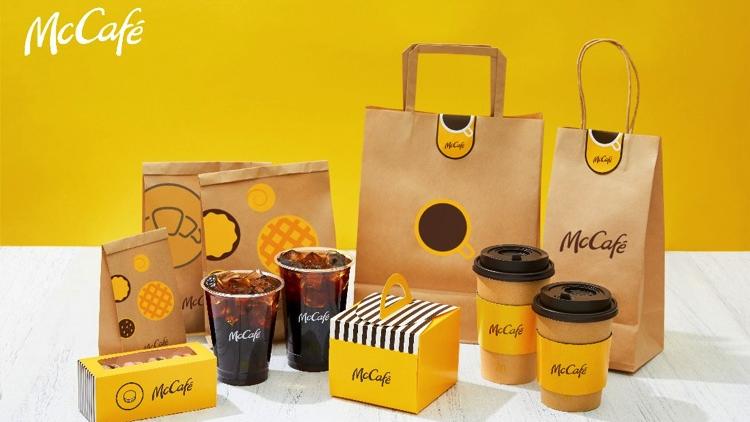
Strategic shifts in marketing and menu development accompany these infrastructural changes. Leadership aims to reduce reliance on limited-time offers and borrowed intellectual property in favor of a simplified calendar that leverages customer data from loyalty programs. Global growth targets also emphasize capturing additional market share in chicken and beverage categories by 2030, while maintaining dominance in the beef sector. Such category expansion mirrors regional efforts, including McCafé investments across international territories designed to capture growing demand for specialty coffee and snacks, as detailed by chinadailyhk. Meanwhile, established regional operations such as McDonald's Hong Kong continue to demonstrate deep local integration through digital app expansion and community engagement, highlighted in coverage from the South China Morning Post.
| Financial & Operational Metric | Projected Target or Scope | Timeline / Context |
|---|---|---|
| Total Franchisee Support | Up to $8.5 billion | Through 2036 |
| Early Capital and Rent Relief | About $5 billion | Through 2030 |
| Target Operating Margin | Low-to-mid 50% range | By 2030 (compared with 46.1% in 2025) |
| Workforce Training Scope | More than 2 million employees | Beginning October 5 |
| Estimated Annual Cash Flow Boost | Roughly $100,000 per U.S. Restaurant | Post-implementation |
These strategic adjustments unfold against a backdrop of wider corporate restructuring and cost-cutting measures. McDonald's aims to reduce general and administrative spending relative to system-wide sales over the remainder of the decade.
As the multi-year implementation plan moves forward, observers will monitor how effectively franchisees absorb modernization costs alongside ongoing labor and ingredient expenses. Upcoming milestones include the formal rollout of the employee training program in October and the continued expansion of digital ordering tools and automated drive-thru tests across international markets.