Sean Duffy blames router failure for FAA ground stop and seeks $50bn
US Transportation Secretary Sean Duffy blamed a malfunctioning router during routine telecommunications upgrades for triggering a nationwide air traffic control shutdown, prompting a demand for a $50 billion federal funding package.
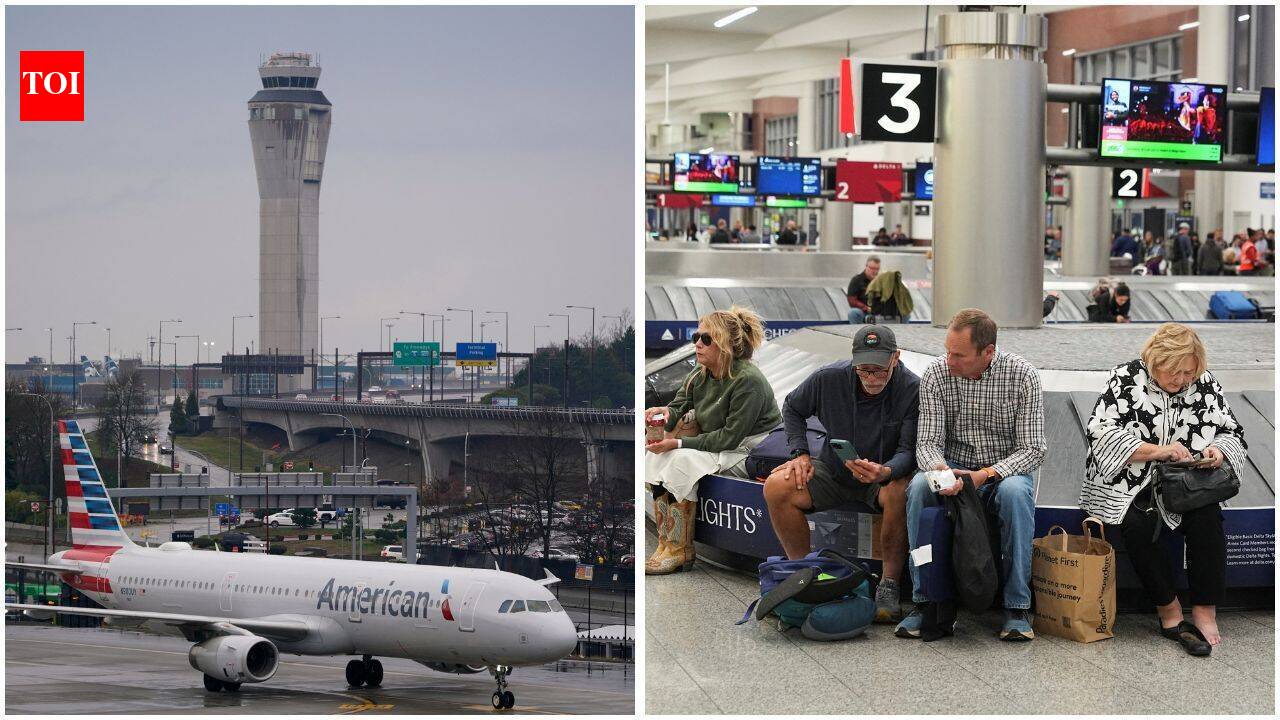
US Transportation Secretary Sean Duffy blamed a malfunctioning router during routine telecommunications upgrade work for triggering a nationwide air traffic control shutdown, as the Trump administration swiftly pivoted from the crisis to demand a massive federal funding package.
The unprecedented nationwide ground stop forced the Federal Aviation Administration to halt all domestic departures, disrupting millions of passengers and grounding thousands of aircraft. Air travel was thrown into chaos across major hubs, with sports teams, international travellers, and holidaymakers stranded while airlines scrambled to manage the fallout. As operations slowly resumed, officials offered varying technical explanations for how a routine hardware transition cascaded into a national emergency.
Media additions
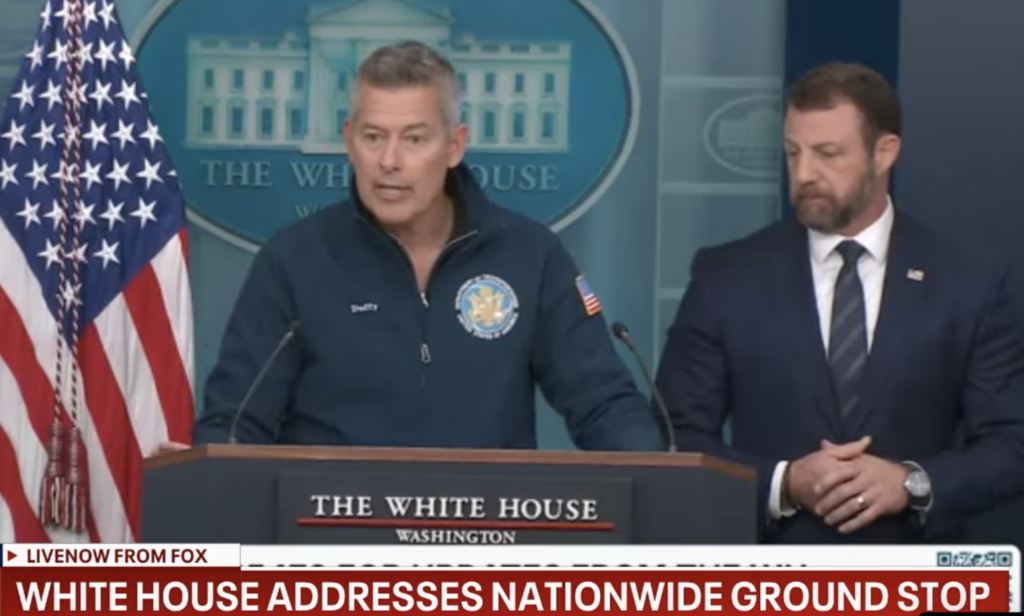

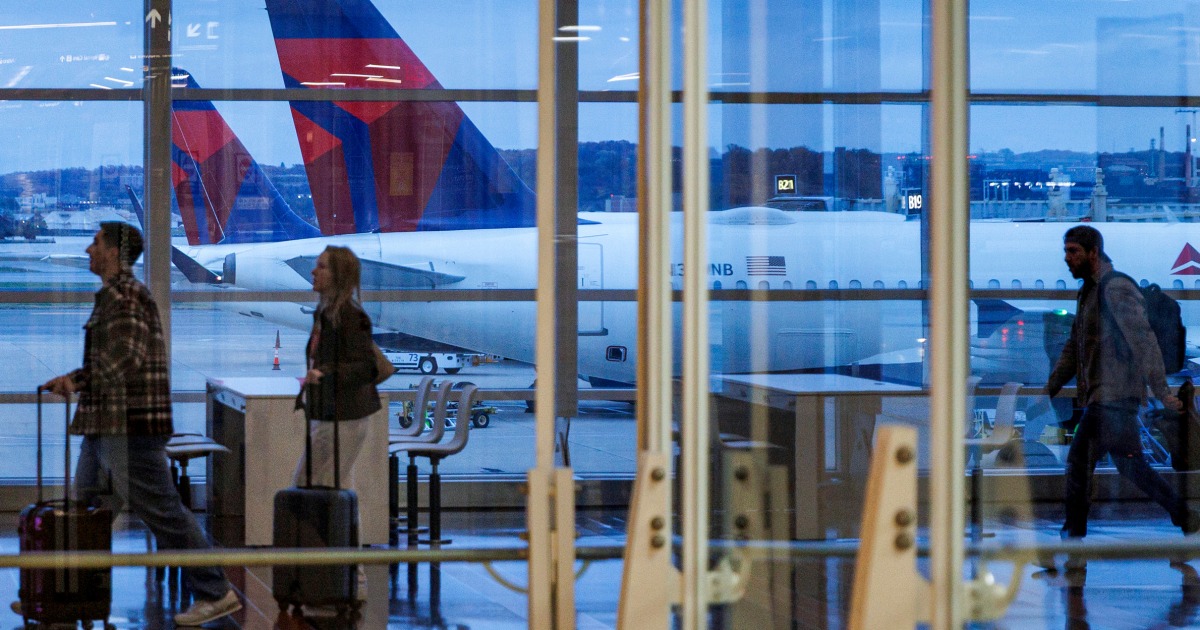
The disruption began on Friday, 13 November 2026, when en-route control centres and terminal approach control facilities experienced severe communication and radar instability. Duffy explained that instability surfaced at approximately 3:36 pm Eastern Time, forcing air traffic controllers to manage more than 3,500 airborne aircraft under inconsistent data conditions. Safety procedures required the implementation of a nationwide ground stop, restricting departures while aircraft already in flight were brought down safely. The restrictions were lifted at approximately 8:15 pm Eastern Time, though the disruption forced widespread cancellations and diversions that extended well into the weekend.
According to Department of Transportation briefings, the technical failure stemmed from routine work performed by long-standing FAA telecommunications contractor L3Harris. Crews were moving lines from ageing copper telecommunications infrastructure to fibre-optic connections at a remote location. Duffy stated that a router involved in the transition flooded other routers across the air traffic control network with more than 1,000 connection attempts every four to five seconds. Homeland Security Secretary Markwayne Mullin added that new technology and equipment added to the ageing system appeared to overwhelm its existing infrastructure.
Investigators stressed that no independent technical report had yet determined whether faulty equipment, contractor error, or an installation mistake initiated the surge.
Flight Disruption and Recovery Metrics
| Metric / Category | Reported Figure | Source / Context |
|---|---|---|
| Duration of Ground Stop | 4 hours, 22 minutes | Aviation tracking estimates |
| Airborne Aircraft (Low Point) | 336 planes (lower 48) / 336 worldwide flights bound for US | Flight tracking data |
| Estimated Affected Passengers | Approximately 1.5 million | Cirium analysis via CNN |
| Total Cancelled / Delayed Flights | Over 10,000 delayed or cancelled on Friday | Associated live tracking reports |
| Diverted Aircraft | At least 827 flights diverted by early evening | Cirium data cited by CNN |
As technicians isolated the affected work and tested network stability, the political response intensified rapidly. Duffy seized upon the incident to lobby aggressively for sweeping legislative investments, sharply escalating a previous White House request to an emergency demand for $50 billion to overhaul the nation's aviation infrastructure. Fish4news reports that Duffy repeatedly credited President Trump during briefings while arguing that legacy systems could not be properly rebuilt without major Congressional allocations.
The aggressive funding appeal drew immediate scrutiny regarding the current state of agency oversight. A Government Accountability Office report published in September 2026 warned that the FAA lacked reliable lifecycle cost estimates and an integrated master schedule connecting thousands of individual project schedules, creating heightened risks of operational delays.
Major carriers including Delta Air Lines, United Airlines, JetBlue, and Southwest Airlines warned passengers that recovery efforts would take multiple days. International carriers, including Air Canada and European operators under Eurocontrol restrictions, also experienced cascading cancellations and border-crossing delays. Passengers encountered crowded airport terminals, prolonged phone holds, and difficult rebooking challenges.
Recovery efforts continue under FAA Administrator Bryan Bedford, who stated that normal schedules should stabilize by the end of the weekend. Detailed technical findings from the contractor investigation and further Congressional scrutiny on modernization oversight remain pending as lawmakers evaluate the administration's expansive funding demands.
For ongoing developments across the sector, consult Business coverage, read up on the FAA ground stop lifted after telecom outage; Duffy seeks $50B overhaul, review how the FAA blames equipment upgrade work for nationwide flight shutdown, and track the US air travel recovery timeline.