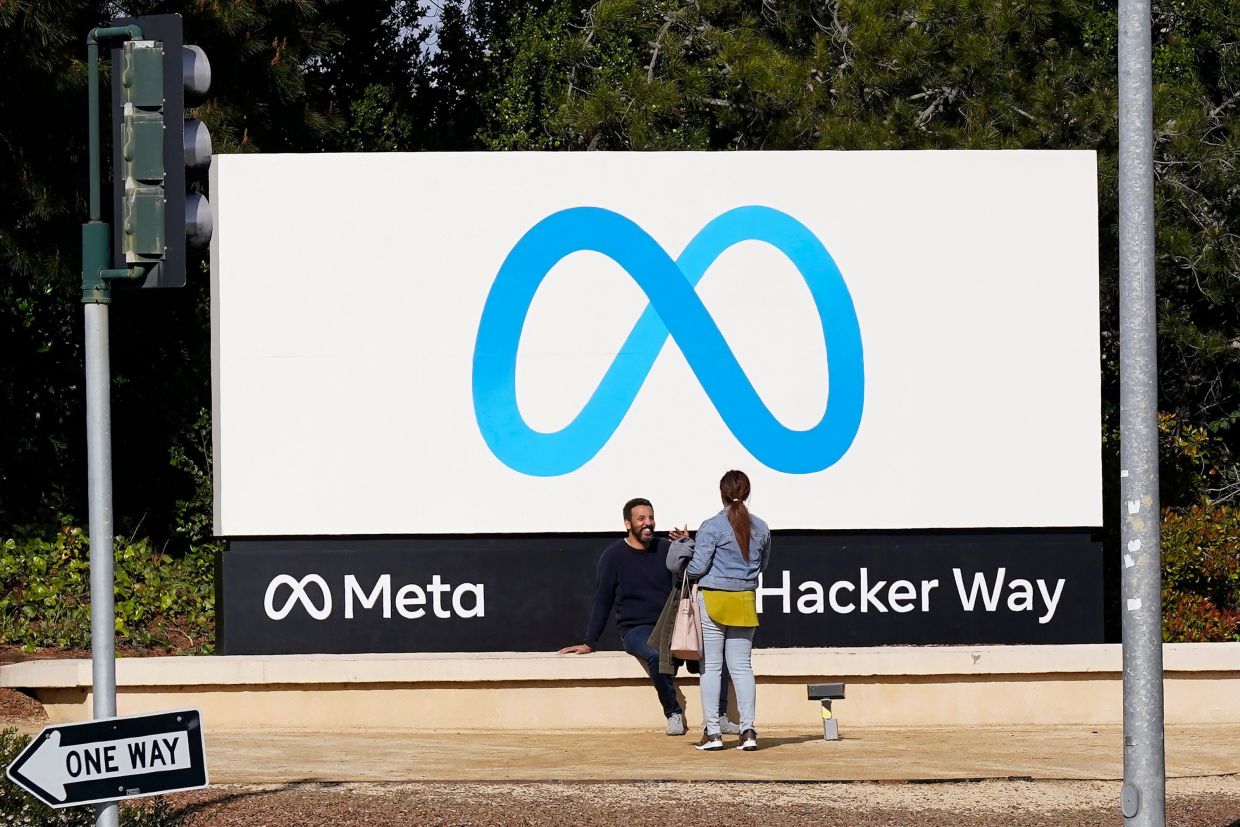
Meta faces trial as 29 US states sue over child addiction claims
Twenty-nine state attorneys general have joined a federal jury trial in Oakland accusing Meta Platforms of deliberately building addictive features into Facebook and Instagram that harm children.
Meta faces trial as 29 US states sue over child addiction claims
EXECUTIVE BRIEFKey Takeaways & Signal
Core Development: Twenty-nine state attorneys general have joined a federal jury trial in Oakland accusing Meta Platforms of deliberately building addictive features into Facebook and Instagram that harm children.
Beat Context: Categorized under Business with independent corroboration.
On 18 August 2026 a federal jury in Oakland, California, will hear the opening statements in a case that could reshape how the world’s biggest social‑media company designs its products. Twenty‑nine state attorneys general have joined forces in a multidistrict litigation that accuses Meta Platforms of deliberately building addictive features into Facebook and Instagram that harm children. The stakes are high: attorneys general have said the financial exposure could rival the company’s entire annual revenue, while the injunctions they seek could force Meta to rewrite core parts of its apps.
“Meta designed a dangerous product for young users, knew it to be dangerous, and then lied to children, families and the community about how dangerous it was,”
“Meta designed a dangerous product for young users, knew it to be dangerous, and then lied to children, families and the community about how dangerous it was,”
Media additions
Image via thestar.com.myImage via straitstimes.comImage via yahoo.com
Rob Bonta, California Attorney General, via The Guardian
said the California AG in a statement released ahead of the trial.
Meta pushes back. In a company‑wide statement it called the lawsuit “outlandish” and argued that the states “offer no proof anyone in their states was misled”. The firm also warned that the “financial demands are vastly disproportionate”.
What the states allege
The complaint, filed in October 2023 and now before a jury, claims Meta routinely collects data from children under 13 without parental consent, violating the Children’s Online Privacy Protection Act. It also says the company “refuses to abandon its use of known harmful features” and that its design choices are driven solely by profit.
Specific features named in the filing include infinite scrolling, algorithmic recommendation feeds, push‑notification alerts, “likes” and visual filters. Prosecutors argue that these tools keep users hooked, especially minors, and that the resulting excess screen time correlates with higher rates of depression, anxiety and eating disorders.
Evidence the state side plans to present includes internal Meta research – a 2019 survey of 2,500 teens that found “young people are acutely aware that Instagram can be bad for their mental health, yet are compelled to spend time on the app for fear of missing out on cultural and social trends.”
Meta’s defence
Meta maintains that it has taken steps to protect younger users, such as launching private teen accounts in 2024, adding parental controls and using AI to detect under‑age activity. “We’ve listened to parents, worked with experts and law enforcement, and conducted in‑depth research to understand the issues that matter most,” the company said in a statement quoted by Yahoo News.
During the trial the company will call CEO Mark Zuckerberg, Instagram head Adam Mosseri and former employee Arturo Béjar to testify.
Expert commentary on the potential impact
Eric Goldman, a professor at Santa Clara University School of Law, told The Guardian that the states are “trying to set the definitive precedent” and that any structural remedies could be more consequential than a monetary award.
James Grimmelmann of Cornell Law School warned that a trillion‑dollar verdict “would put Meta into bankruptcy, wipe out its owners, and effectively result in the states owning Meta,” but added that “it’s not plausible” for a court to impose such a sum.
Russell Coleman, Kentucky’s attorney general, invoked the strategy used against tobacco companies in the 1990s, saying “we did it with the tobacco settlement… we’ll do it again with Meta.”
How this case fits into a broader wave of litigation
The Oakland trial follows a series of high‑profile cases targeting Meta and its rivals. Over 3,000 personal‑injury claims and about 1,300 lawsuits by public school districts are pending across the United States, targeting platforms ranging from TikTok to Snap. While many of those cases have settled, the federal trial in Oakland is the first to bring together a coalition of state attorneys general in a single, federal proceeding.
Timeline of key developments
Oct 2023 – Multistate complaint filed against Meta.
July 2026 – Meta’s legal team unsuccessfully seeks a stay pending Ninth Circuit review of Section 230 arguments.
18 Aug 2026 – Federal jury trial begins in Oakland; opening statements from state attorneys general and Meta executives.
What to watch next
Event
Potential impact
Appeal to Ninth Circuit (if verdict rendered)
May revisit Section 230 immunity and reshape platform liability law.
Analysts say the trial’s outcome will be a bellwether for how aggressively states can pursue design‑based liability claims against digital platforms. If the court imposes structural reforms—such as banning infinite scroll or mandating stronger age‑verification tools—Meta may need to overhaul core product features across its global services.
For now, the courtroom in Oakland will serve as the arena where a coalition of state officials attempts to hold one of the world’s most valuable tech firms accountable for what they say is a public‑health crisis. The next few weeks will determine whether the case remains a high‑profile lawsuit or becomes a landmark decision that reshapes the tech industry’s relationship with its youngest users.
READER INTELLIGENCE PULSE
How significant is this development?
Contribute your assessment to the aggregated reader sentiment ledger.
Click an option to register your anonymous assessment.
Frequently Asked Questions
Key questions answered in this report
What is the key development in: Meta faces trial as 29 US states sue over child addiction claims?
Twenty-nine state attorneys general have joined a federal jury trial in Oakland accusing Meta Platforms of deliberately building addictive features into Facebook and Instagram that harm children.
Why is this Business development significant for the UK?
This report covers critical events in our Business beat. Independent reporting monitors related UK statements, regulatory shifts, and public responses as further verified details emerge.
How was this reporting corroborated and verified?
Newsarchy UK compiles and cross-references reporting from primary reporting from straitstimes.com and cross-checked wire reports. All coverage adheres to published editorial standards.
When was this report published?
This briefing was published on August 18, 2026 and is permanently cataloged in the Newsarchy UK Business archives.