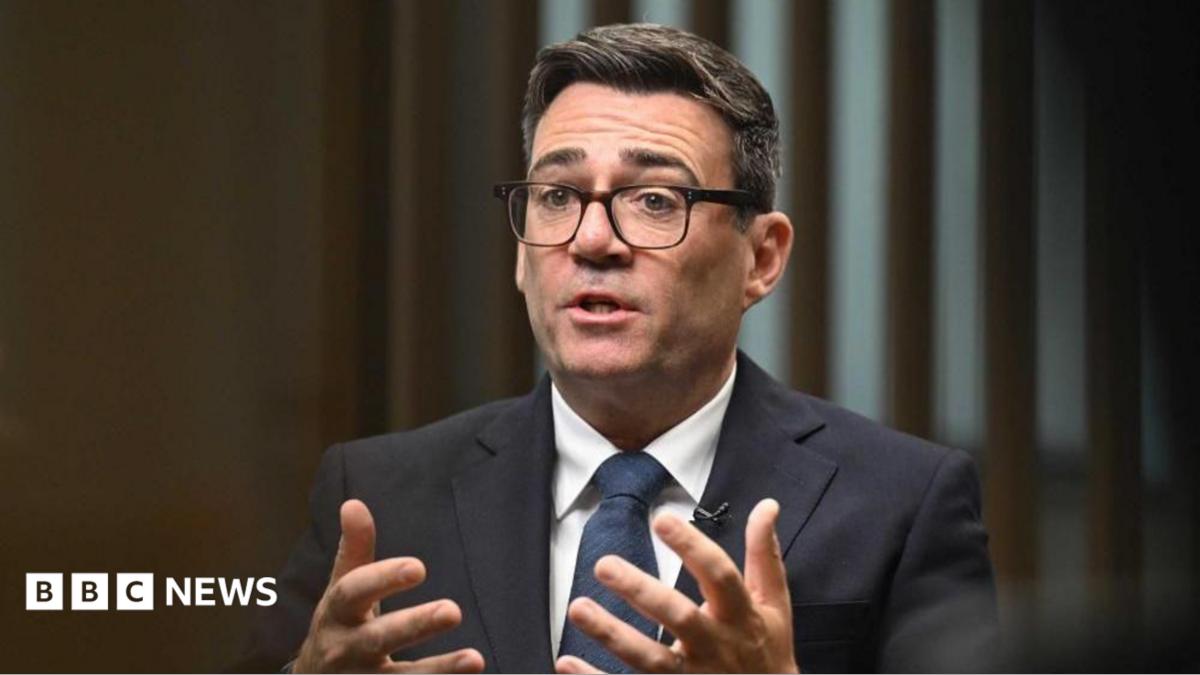
Andy Burnham considers axing Universal Credit health element for under-25s
Prime Minister Andy Burnham is reportedly weighing plans to remove the Universal Credit health element for under-25s as part of a major welfare overhaul to tackle youth unemployment.

- Core Development: Prime Minister Andy Burnham is reportedly weighing plans to remove the Universal Credit health element for under-25s as part of a major welfare overhaul to tackle youth unemployment.
- Beat Context: Categorized under Politics with independent corroboration.
- Reporting Depth: 4 minute analytical read synthesized from verified newsroom sources.
Prime Minister Andy Burnham is reportedly considering a major welfare overhaul that could see the health element of Universal Credit axed for under-25s. The proposed shakeup forms part of a wider governmental drive to tackle youth unemployment and reduce the number of young people locked out of education, employment or training. As discussions continue in Westminster, the potential policy shift has sparked intense debate among lawmakers, policy experts, and the public.
According to reports from Express and Aol, the scrapped benefit would potentially be replaced by a multi-billion-pound package including mental health support, back-to-work schemes, and subsidised job opportunities. The measures aim to address a national cohort of around one million young people classified as NEET. This population has become a central focus for policymakers seeking to curb swelling welfare expenditure.
Media additions
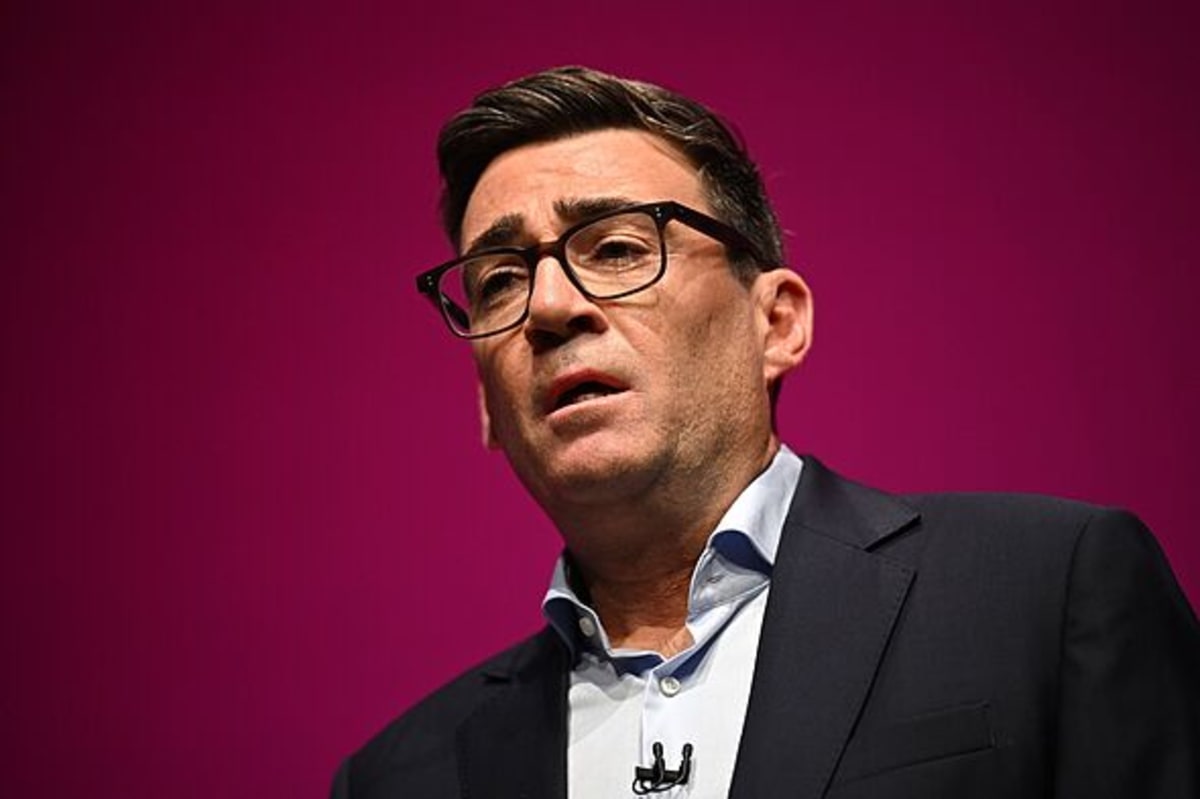


The debate extends into broader questions about the sustainability of the social security system. In his first major broadcast interview since taking office, Burnham confirmed his intention to make welfare support conditional on people taking work, explicitly including those receiving mental health support. He stated that the government had got to get really serious about cutting the bill, while warning separately that the NHS would collapse without an overhaul of social care. Detailed background and ongoing developments are tracked via Politics coverage.
Reactions to the reported crackdown have exposed deep ideological fractures. Lucy Schonegevel, director of impact at Action for Children, called the reported cuts deeply concerning, warning that employment support alone cannot overcome a fundamental lack of secure jobs. Similarly, Sara Ogilvie, director of policy at the Child Poverty Action Group, argued that blocking access to Universal Credit would not remove young people from jeopardy, but would instead drive the most disadvantaged deeper into hardship. Welfare reform debates often intersect with broader taxation and fiscal policies, as explored in What Burnham as PM could mean for your taxes, welfare and immigration.
Meanwhile, alternative proposals and competing political strategies are influencing the wider legislative landscape. Reform UK has separately unveiled plans to replace Personal Independence Payments with a more restricted benefit reserved exclusively for the gravely ill and severely challenged. Robert Jenrick, Reform's Treasury spokesperson, asserted that current disability benefit spending represented suicidal empathy. Parallel discussions regarding the future of care and support structures are also underway, as noted in Burnham to hold social care talks with Tories and Lib Dems and Andy Burnham pledges free social care and electoral reform commission.
Public opinion, as captured by The Independent, remains sharply divided on the direction of travel. A reader poll conducted alongside their coverage found that just over half of respondents backed cutting the welfare bill, roughly a quarter believed the plans unfairly targeted the vulnerable, and one in five wanted existing support improved before any restrictive measures were implemented. Proponents of tougher conditionality argued that the system has been abused for years, while critics questioned where young people are supposed to find secure employment in regions suffering from limited opportunities.
| Welfare Proposal / Entity | Target Group / Scope | Reported Measure |
|---|---|---|
| Government Review (Milburn / Timms) | Under-25s / NEET demographic | Potential removal of Universal Credit health element, replaced by targeted employment and mental health support. |
| Reform UK Proposals | PIP claimants (~4 million Brits) | Replacement of PIP with a restricted benefit limited to severe, enduring, and high-risk cases. |
Official guidance and institutional positioning remain grounded in pending assessments. A Department for Work and Pensions spokesperson emphasized that sustainable reform will be guided by forthcoming reviews rather than pre-empted. They highlighted existing investments, including the youth guarantee, narrowed gaps between standard and health Universal Credit rates, and a record investment in employment support for disabled people and those with long-term health conditions.
What to Watch Next
- The official conclusion and publication of Alan Milburn's youth employment review.
- The findings of the Timms panel regarding Personal Independence Payment assessments.
- Formal legislative proposals brought forward by the Government in response to the autumn review findings.
How significant is this development?
Contribute your assessment to the aggregated reader sentiment ledger.
Frequently Asked Questions
Key questions answered in this reportWhat is the key development in: Andy Burnham considers axing Universal Credit health element for under-25s?
Prime Minister Andy Burnham is reportedly weighing plans to remove the Universal Credit health element for under-25s as part of a major welfare overhaul to tackle youth unemployment.
Why is this Politics development significant for the UK?
This report covers critical events in our Politics beat. Independent reporting monitors related UK statements, regulatory shifts, and public responses as further verified details emerge.
How was this reporting corroborated and verified?
Newsarchy UK compiles and cross-references reporting from primary reporting from The Independent and cross-checked wire reports. All coverage adheres to published editorial standards.
When was this report published?
This briefing was published on October 2, 2026 and is permanently cataloged in the Newsarchy UK Politics archives.