SpaceX's Starship reaches orbit for first time, ends early
SpaceX put its Starship into Earth orbit and deployed 26 next-generation Starlink satellites, but the flight was aborted early and splashed down in the Pacific.

- Core Development: SpaceX put its Starship into Earth orbit and deployed 26 next-generation Starlink satellites, but the flight was aborted early and splashed down in the Pacific.
- Beat Context: Categorized under Business with independent corroboration.
- Reporting Depth: 5 minute analytical read synthesized from verified newsroom sources.
SpaceX put its 40‑story‑tall Starship into Earth orbit on 28 September 2026, deploying 26 next‑generation Starlink satellites, but the flight was aborted after just two laps and the vehicle splashed down in the Pacific three hours later. The partial success marks a commercial milestone for a program that has cost more than $15 billion and is central to the company’s future revenue stream and its partnership with NASA on the Artemis moon missions.
The launch lifted off from Starbase, Texas at 7.48 am local time (1.48 pm BST). The 14th full‑scale test of the vehicle – the first to attempt a full orbit – was meant to circle the globe six times over roughly ten hours, reaching an altitude of around 275 km according to The Guardian and about 269 km as reported by KSL. The Super Heavy booster separated minutes after liftoff and touched down in the Gulf of Mexico as planned, though some of its engines failed during the descent KSL.
Media additions
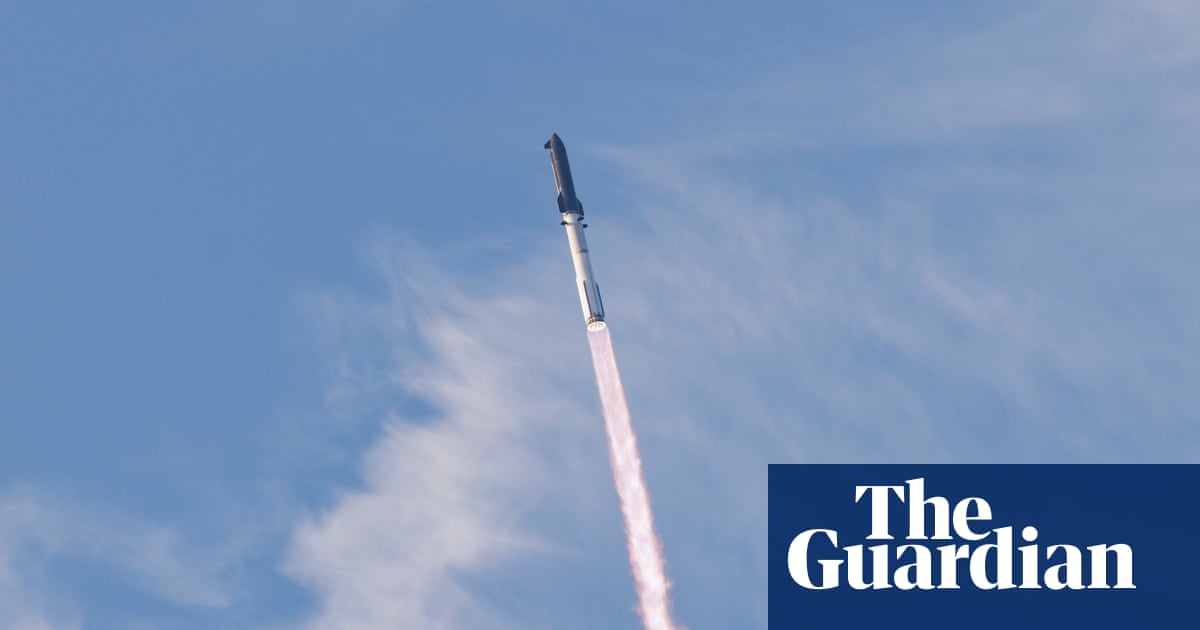


Within minutes of leaving the pad, one of Starship’s three main Raptor engines shut down. SpaceX spokesperson Dan Huot initially warned that the vehicle would not reach orbit, stating, “The team has made the call not to commit to orbit.” Minutes later, engineers reported that the remaining engines could still deliver the required burn, and the go‑for‑orbit was reinstated. The decision to press on was echoed by mission controller Daniel Hewitt, who announced over the live stream, “Starship is in orbit.”
Once orbital, Starship released all 26 V3 Starlink satellites individually. The satellites, which can handle ten times more data than the earlier V2 mini‑sats, are expected to add hundreds of megabits of capacity to the global broadband constellation. SpaceX CEO Elon Musk posted on X, “All 26 Starlink V3 operational satellites deployed and operating nominally.” Analyst estimates suggest the payload represents hundreds of millions of dollars in projected revenue for the Starlink division, underscoring the mission’s commercial relevance Ksl.
Despite the success, the flight was cut short after about three hours. SpaceX announced that Starship would re‑enter early, targeting a Pacific splashdown roughly three hours after launch. The exact landing spot is reported differently: the BBC places the splashdown in the Pacific “north of Hawaii,” while The Guardian describes it as “west of Chile.”
| Aspect | Source 1 (BBC) | Source 2 (The Guardian) | Source 3 (KSL) |
|---|---|---|---|
| Planned altitude | about 275 km | about 275 km | about 269 km |
| Actual laps | 2 laps | 2 laps | 2 laps (implied) |
| Mission duration | ~3 hours | ~3 hours | cut by 7 hours (10 h planned → 3 h actual) |
| Splashdown region | north of Hawaii | west of Chile | north of Hawaii |
The early termination sparked speculation about the cause. While SpaceX has not publicly detailed the decision, the company’s own climate and science reporter said the team would be “delighted with how today went” because the primary orbit objective was met BBC. NASA administrator Jared Isaacman also congratulated SpaceX, noting the safe and responsible handling of each flight phase KSL.
Business ramifications
Shares of SpaceX rose nearly 9 % from the IPO price earlier in the year, only to dip about 1 % on the day of the launch, reflecting a cautious market reaction to the early splashdown KSL. The company’s market valuation stood at $2 trillion as of the previous Friday, placing it among the United States’ most valuable public firms KSL. Analysts see the Starlink V3 deployment as a “huge win,” especially because it marks Starship’s first revenue‑generating flight KSL.
Professor Martin Barstow of the University of Leicester highlighted the strategic impact, saying the orbit achievement “marks the beginning of the transition from the testing and development phase to becoming a working vehicle able to deliver the large payloads needed to return to the moon” The Guardian. The milestone therefore unlocks a critical path for NASA’s Artemis III mission, slated for next summer, which will require a certified lunar‑landable vehicle.
In a broader industry context, Starship’s reusability promise – a fully reusable launch system capable of “hourly flights” within two to three years, according to Musk KSL – could drive launch‑service costs down dramatically. If the vehicle can ferry dozens of satellites per launch, SpaceX expects to retire its Falcon 9 fleet over the next several years The Siasat Daily.
Timeline of the 28 September 2026 flight
- 07:48 am local – Liftoff from Starbase, Texas (Super Heavy booster separates).
- ~08:00 am – Booster lands in the Gulf of Mexico; several booster engines fail during descent.
- ~08:15 am – One of Starship’s three main Raptor engines shuts down; Dan Huot announces a “no‑go” for orbit.
- ~08:20 am – Engineers confirm remaining engines can achieve orbit; Huot reverses decision.
- ~08:30 am – Orbital burn fires; Starship reaches orbit and completes two Earth laps.
- ~08:45 am – Deployment of 26 V3 Starlink satellites begins, finishing within minutes.
- ~10:45 am – Mission control initiates early re‑entry sequence; ship begins controlled descent.
- ~10:50 am – Starship splashes down in the Pacific (location reported as north of Hawaii or west of Chile).
What to watch next
- NASA certification. SpaceX must secure official clearance for crewed Artemis lunar flights, with Artemis III targeted for next summer.
With the orbital debut behind it, Starship now sits at a crossroads: the hardware has proven it can reach space and deliver a commercial payload, but the early termination highlights remaining technical challenges.
How significant is this development?
Contribute your assessment to the aggregated reader sentiment ledger.
Frequently Asked Questions
Key questions answered in this reportWhat is the key development in: SpaceX's Starship reaches orbit for first time, ends early?
SpaceX put its Starship into Earth orbit and deployed 26 next-generation Starlink satellites, but the flight was aborted early and splashed down in the Pacific.
Why is this Business development significant for the UK?
This report covers critical events in our Business beat. Independent reporting monitors related UK statements, regulatory shifts, and public responses as further verified details emerge.
How was this reporting corroborated and verified?
Newsarchy UK compiles and cross-references reporting from primary reporting from Enidnews.com and cross-checked wire reports. All coverage adheres to published editorial standards.
When was this report published?
This briefing was published on September 28, 2026 and is permanently cataloged in the Newsarchy UK Business archives.