Ipsos poll shows half of Scots want energy powers to be devolved
Fresh Ipsos polling shows that half of Scottish voters want control over energy powers shifted from Westminster to Holyrood amid mounting utility bills.

Fresh polling data released by Ipsos reveals that half of Scottish voters want control over energy powers shifted away from Westminster and handed to the Scottish Government at Holyrood. The findings highlight mounting public frustration over utility bills and natural resources. Energy policy has climbed the public agenda during the Scottish election campaign, driven by growing anxiety around energy security and pricing. As detailed by Ipsos, half of Scots believe energy policy should be mostly or completely devolved to the Scottish Government. Only a small minority favor keeping these powers reserved at Westminster, while a quarter view energy as a shared responsibility between both administrations.
Support for devolution in this sector is not distributed evenly across political lines. Polling figures indicate that strong majorities of past SNP voters back the transfer of energy powers, compared to a much smaller share of Conservative voters. Meanwhile, past Labour voters remain split on the constitutional arrangement. The campaign context has been heavily shaped by global fallout from conflict in the Middle East, which has driven up fuel prices and focused attention on the cost of living.
Media additions

Public Opinion on Energy Devolution and Licensing
| Policy Area | Support Holyrood Control | Support Westminster Control | Shared Responsibility / Other |
|---|---|---|---|
| Overall Energy Policy (Ipsos) | 51% | 14% | 25% |
| Oil and Gas Drilling Licences (Ipsos / SNP) | 58% | 33% | — |
Public sentiment regarding extraction remains complex. Ipsos notes that over half of Scots support issuing new licences for North Sea drilling, with backing rising even higher in the North East of Scotland and in Mid Scotland and Fife. Majorities see positive economic and energy security impacts from further extraction, though roughly three in ten warn of negative consequences for carbon reduction targets. Debates around further drilling are centered on major untapped oil and gas fields, including Rosebank and Jackdaw.
Political reactions to the data reflect deep divisions within the Scottish Parliament. SNP Depute Leader Keith Brown MSP argued that the numbers show the public wants Scotland's energy in Scottish hands, challenging opposing parties over the management of natural wealth.
The broader political landscape heading into the election has seen the SNP seeking a fifth consecutive term in government under the leadership of John Swinney, who is fighting his fifth national election in the role. Polling trends suggest a competitive contest, with opposition parties including Scottish Labour led by Anas Sarwar, the Scottish Conservatives led by Russell Findlay, the Scottish Liberal Democrats led by Alex Cole-Hamilton, the Scottish Greens under co-leaders Ross Greer and Gillian Mackay, and Reform UK led in Scotland by Malcolm Offord all presenting contrasting manifestos on taxation, public services, and the cost of living.
Discussions around public finances, healthcare waiting times, and tax bands have also dominated the campaign trail, alongside international events such as the US presidential intervention regarding trade tariffs on whisky. As political parties clash over spending gaps in the devolved budget, the future of public services and economic management remains a central theme for voters.
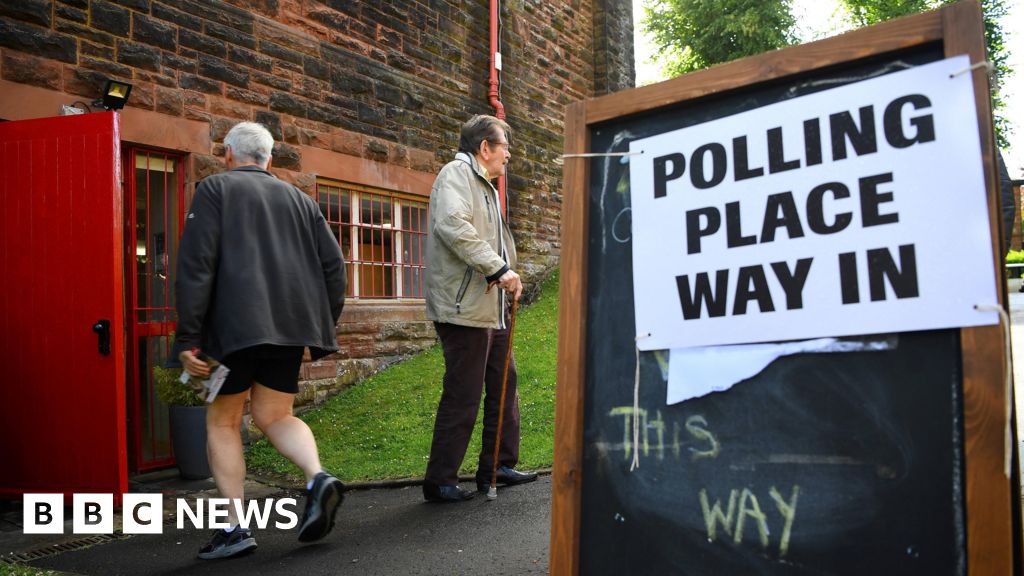
- Voters go to the polls on 7 May to elect the next Scottish Parliament.
- Post-election negotiations and parliamentary arithmetic will determine the formation of the next administration after 8 May.