Taylor Farms linked to Cyclospora outbreak amid questions over FDA delay
A widespread cyclosporiasis outbreak has sickened thousands across the U.S., with investigations focusing on Taylor Farms and federal surveillance challenges.
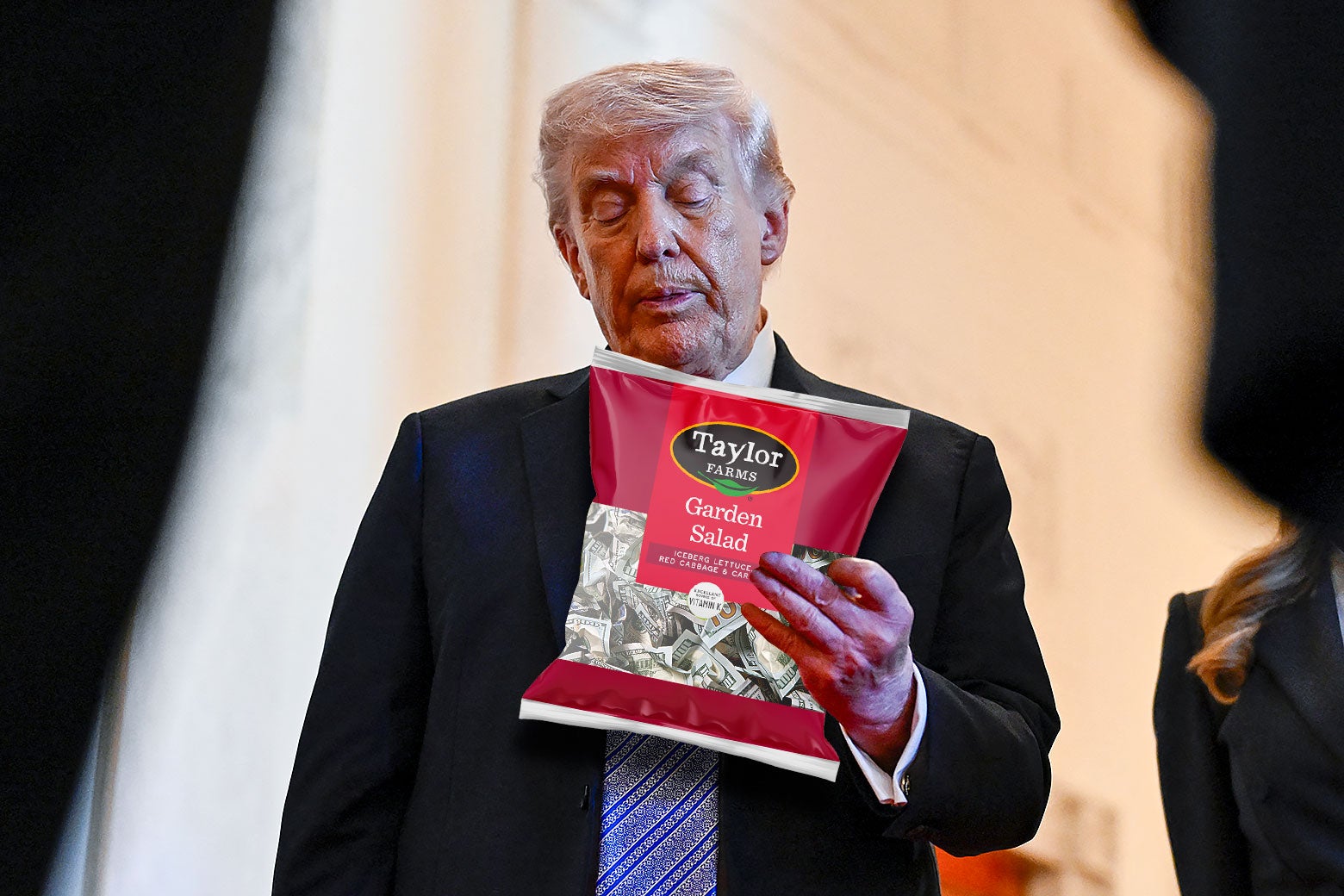
Public health agencies are currently managing a widespread outbreak of cyclosporiasis, a parasitic intestinal illness marked by symptoms including nausea, fatigue, and explosive diarrhea. Medical professionals note that these symptoms can persist for weeks or months without antibiotic treatment. The scale of the current outbreak has ignited scrutiny regarding federal surveillance infrastructure and the transparency of food suppliers.
Outbreak Scope and Disparate Data
Monitoring the scope of the illness has proven difficult due to a fractured national reporting system. Nationally, the Centers for Disease Control and Prevention (CDC) reported 1,645 confirmed cases as of 13 July 2026, with more than 5,100 additional cases flagged for further analysis. In Michigan, officials have documented more than 6,500 people sickened, with at least 100 individuals requiring hospitalization. In Ohio, local public health officials in Summit County identified 224 cases as of 21 July 2026, a figure that has more than tripled since 15 July. Statewide, Ohio has tracked 1,303 cases since 20 June 2026.
Media additions
Epidemiologists suggest these discrepancies stem from the erosion of the Foodborne Diseases Active Surveillance Network (FoodNet). According to Katrine Wallace, an epidemiologist and adjunct assistant professor at the University of Illinois Chicago, the federal government curtailed funding for FoodNet in July 2025, narrowing the number of pathogens monitored. We don't have that early warning system,
Wallace stated, noting that the program previously functioned as a sentinel for outbreaks.
Supply Chain Transparency and Corporate Involvement
The investigation gained momentum on 17 July 2026, when the FDA and CDC identified a link between infections in five states and iceberg lettuce consumed at Taco Bell. The investigation pointed to Taylor Farms, a California-based producer, as the source of the lettuce. The company operates approximately 30 processing plants and reported $6 billion in revenue in 2022. It initiated a voluntary recall of shredded iceberg lettuce distributed to nearly 30 states between 29 June and 16 July 2026.
The credibility of the investigation faced a complication on 19 July 2026, when the FDA announced that a sample collected from a Taylor Farms facility in Guanajuato, Mexico—which had initially tested positive for the parasite on 18 July 2026—was a false positive. Despite this, experts caution that the retraction does not clear the supplier. Bill Marler, an attorney experienced in food poisoning litigation, noted, A negative product sample in a Cyclospora outbreak, or the absence of a positive one, proves nothing.
Jennifer McEntire, a food safety consultant, stated that the false positive finding does not change the traceback and epidemiology that led the agency to implicate the Taylor Farms Mexico facility.
Public concerns regarding transparency have been heightened by the company's political activities. Taylor Fresh Foods Inc. Donated $1 million to the MAGA Inc. Super PAC in March 2025, less than a week after federal officials announced a delay in the enforcement of the Food Traceability Rule.
Regulatory Challenges
The inability of federal agencies to rapidly trace contaminated items has intensified debate over the Food Traceability Rule. Initially established under the 2011 Food Safety Modernization Act to require electronic, lot-level recordkeeping for high-risk foods, the enforcement deadline was delayed by Congress until 20 July 2028. Critics argue that this delay forces investigators to rely on manual, laborious processes.
As the outbreak continues, health officials warn that the current identified sources may be incomplete. It is almost certainly not the whole story,
Wallace cautioned, noting that Cyclospora outbreaks often involve multiple contaminated sources simultaneously. While hospital systems such as Summa Health and the Cleveland Clinic report that they have been able to manage patient intake, the investigation into the parasite’s path through the food supply remains ongoing.
Summary of Timeline
- 20 June 2026: Initial start of the monitored case window for current reporting.
- 13 July 2026: CDC reports 1,645 confirmed cases; 5,100 additional cases under review.
- 17 July 2026: FDA and CDC link Taco Bell iceberg lettuce to the outbreak.
- 18 July 2026: Initial positive test result reported from a Taylor Farms sample.
- 19 July 2026: FDA classifies the previous positive test as a false positive.
- 21 July 2026: State-level reports confirm significant growth, with 1,303 cases in Ohio and 6,500 in Michigan.