UK economy grows by 0.7% – fastest pace in two years
The UK economy expanded by 0.7% between July and September, achieving its strongest quarterly performance since the first three months of 2024.

The UK economy accelerated to its fastest quarterly pace in two years during the third quarter, defying global disruptions and cost pressures according to official data published on Thursday, 12 November 2026.
Gross domestic product expanded by 0.7 per cent between July and September, according to the Office for National Statistics. This marked an increase from the 0.5 per cent growth recorded in the second quarter. The figures represent the strongest performance for a calendar quarter since the first three months of 2024. Real GDP per head is estimated to have increased by 0.7 per cent in the third quarter as reported by Aol.
Media additions

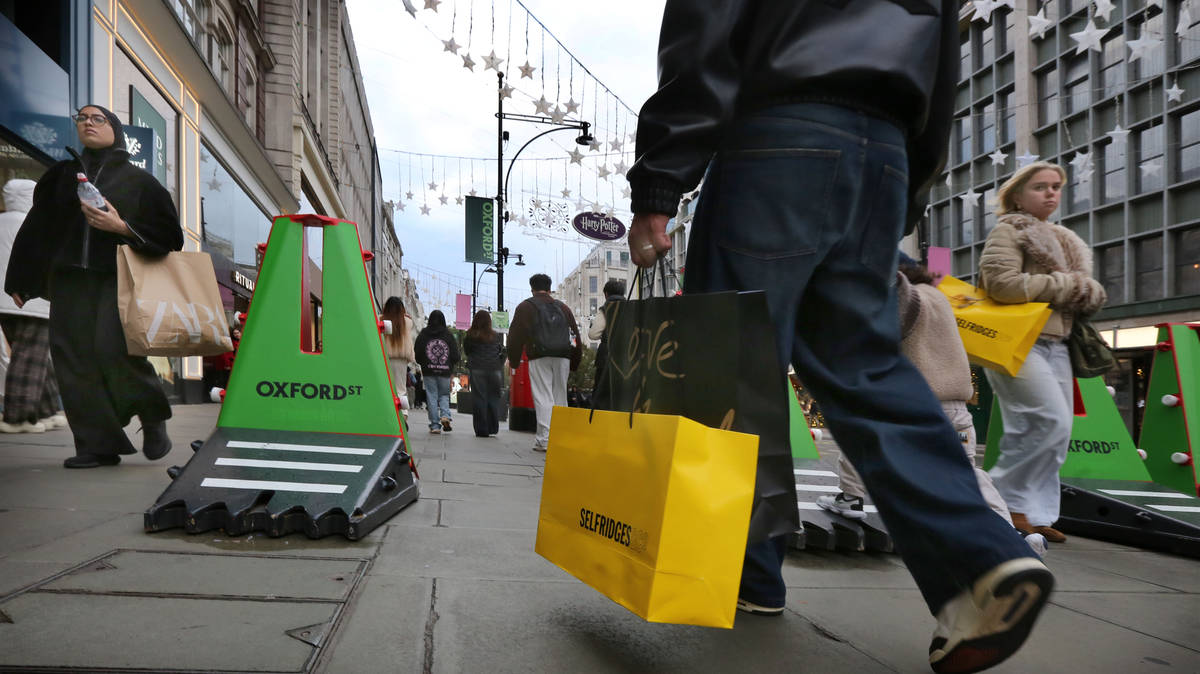

Prime Minister Andy Burnham called the numbers welcome news. In a statement reported by The Independent, he said:
"Despite a year where events around the world have pushed up costs here at home, our economy is growing, bringing hope for the future. Our job now is to keep focused on what matters to people: bringing down bills, creating good jobs, helping high streets thrive and backing businesses to grow."
Andy Burnham, Prime Minister, via The Independent
Chancellor John Healey emphasized international comparisons, noting that ongoing conflict in the Middle East had impacted global growth while Britain demonstrated notable resilience. As outlined by LBC, Healey stated that the economy was growing at its fastest rate in nearly a decade outside of pandemic years.
Sector Breakdown: Tech, AI, and Construction
Growth was driven almost entirely by the services sector, which jumped by 0.9 per cent during the third quarter. Computer programming and consultancy surged by 4.4 per cent, making it the largest driver of GDP growth across 2026. ONS chief economist Grant Fitzner pointed to clear evidence that artificial intelligence and cloud computing adoption were boosting activity across technology-linked businesses.
Production also registered slight growth, aided by computer and electronic manufacturing. However, the construction sector continued to struggle, extending a prolonged slump with a 0.7 per cent fall in GDP for the third quarter, as detailed by Chesterton's Dee Radio.
| Quarter / Metric | GDP Growth Rate | Primary Drivers | Contractions / Slumps |
|---|---|---|---|
| Second Quarter | 0.5% | General domestic activity | None specified |
| Third Quarter | 0.7% | Services sector, computer programming, AI and tech investment | Construction sector (-0.7%) |
Divergence, Inflation, and Interest Rate Pressures
Despite the positive headline figures, business and trade organizations highlighted a split economic picture. Stuart Morrison, research manager at the British Chambers of Commerce, warned of a two-speed economy where investment is driven by larger firms while small and medium-sized enterprises remain flat. Morrison noted that just 17 per cent of firms surveyed expect to increase investment in coming months, marking a post-pandemic low.
Economic headwinds also persist on the consumer front. Higher oil prices and energy shocks, compounded by geopolitical conflicts, have driven inflation up to 3.5 per cent, according to HuffPost UK. Analysts suggest households may not immediately feel better off. Rob Morgan, chief investment analyst at Charles Stanley Direct, observed via The Independent that retail, hospitality, and leisure face a challenging backdrop as household budgets tighten.
These inflationary pressures prompted the Bank of England to raise interest rates to 4 per cent. Economists including Suren Thiru of ICAEW and Kit Rees of Quilter warned that the resilient third-quarter data keeps the possibility of further borrowing cost increases active for upcoming policy meetings.
What to Watch Next
- Upcoming inflation figures and energy price cap adjustments heading into the winter months.
- Potential Bank of England interest rate decisions slated for December and February.
- Fourth-quarter GDP indicators to assess whether economic momentum sustains or flatlines under the weight of higher borrowing costs.
For related financial updates, see our latest Business coverage.