UK inflation rises to 2.9% in July after energy bills spike
UK inflation climbed to 2.9% in July following a sharp increase in household energy bills driven by Ofgem's price cap adjustment.

- Core Development: UK inflation climbed to 2.9% in July following a sharp increase in household energy bills driven by Ofgem's price cap adjustment.
- Beat Context: Categorized under Business with independent corroboration.
- Reporting Depth: 3 minute analytical read synthesized from verified newsroom sources.
UK inflation has climbed to its highest rate in four months, driven by a sharp increase in household energy bills that has renewed the cost-of-living squeeze for families across the country. According to figures released by the Office for National Statistics, the Consumer Prices Index measure of inflation increased to 2.9% in the 12 months to July, moving up from June's rate of 2.6%.
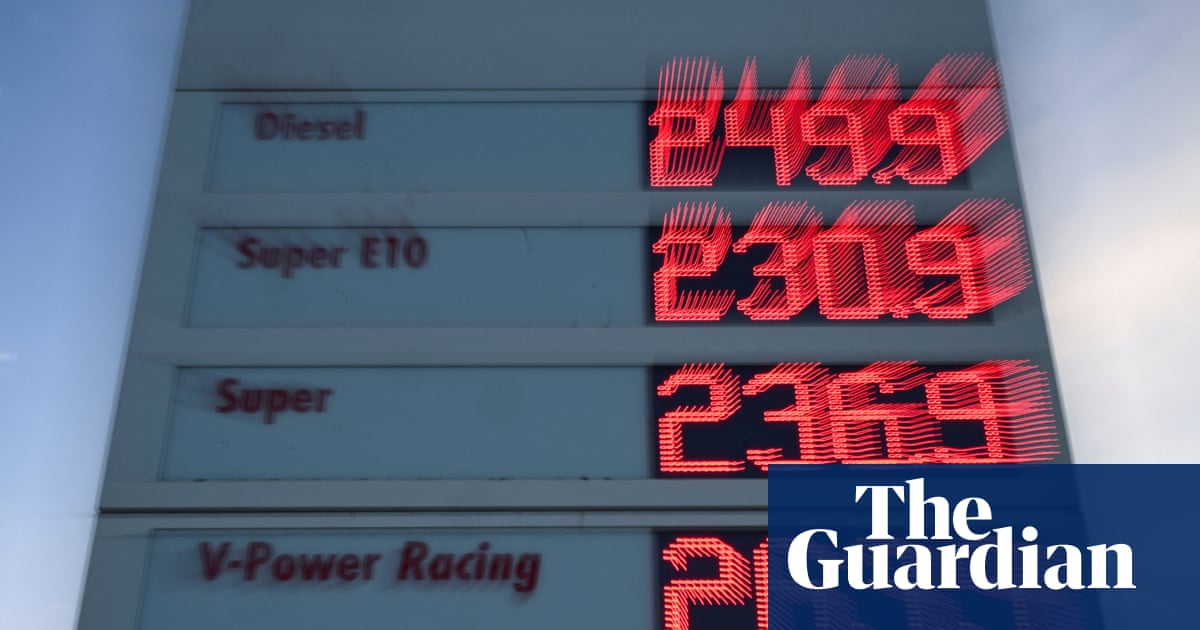
The upward tick stems directly from regulatory changes implemented on the first of July, when energy regulator Ofgem increased its price cap on household gas and electricity bills by 13%. That adjustment added a notable sum to the typical annual bill, specifically added £221 a year to the typical household's bill according to reports. Office for National Statistics officials noted that the regulatory shift triggered the largest single monthly rise in gas prices seen in almost four years, echoing supply shocks that rippled outward from ongoing conflicts in the Middle East.
Media additions



Additional upward pressures on the headline figure included retail adjustments. Furniture prices fell by less than usual for the summer season, and clothing costs remained higher due to reduced discounting by high street retailers. Offsetting some of these pressures, food inflation slowed to a much lower rate, offering a modest counterweight for shoppers navigating tight household budgets.
On the ground, community support groups report that the financial strain has moved far beyond benefit claimants. Penny Keevil, founder of the crisis support center Second Chance Medway, stated that working individuals now regularly rely on the center's discounted food pantry, which runs two days a week.
She added that energy bills are still far too high and wages and incomes are not keeping up."The need for affordable food now reaches across every part of the community,"
Penny Keevil, Second Chance Medway, via AOL
Political figures traded blame over the broader economic fallout. Chancellor John Healey pointed to external pressures, arguing that conflict abroad continues to dictate domestic price realities.
Healey also highlighted government interventions, including a planned reduction in VAT on electricity bills and a £2 cap on certain bus fares, designed to give households breathing space. Meanwhile, shadow chancellor Mel Stride countered that government mismanagement left the country unprepared for global economic shocks, leaving ordinary citizens to bear the cost."Iran war inflation continues to impact prices here at home, but Britain’s economy is resilient,"
John Healey, Chancellor, via Mirror
Economic analysts remain divided on how the Bank of England will respond to the renewed inflationary spike. KPMG chief economist Yael Selfin suggested that while July marks the start of a gradual upward drift—potentially peaking near 3.5%—the current reading might not immediately alter interest rate decisions. Conversely, other financial experts note that Threadneedle Street is weighing whether to raise borrowing costs as early as next month to prevent sticky price pressures from embedding themselves in the broader economy. However, separate labour market figures showing slowing wage growth and falling vacancies have led some forecasters to argue that the central bank may look through the energy shock, anticipating a return to the 2% target next year.
As households brace for autumn, commuters also face potential financial headwinds. Based on the Retail Price Index figure of 3.2% recorded for July, regulated rail fares could jump by up to 4.2% next year if previous pricing formulas are applied, though the government has yet to confirm final ticket price increases.
What to watch next
- August 26: Ofgem is scheduled to announce the next energy price cap level covering the final months of the year, with Cornwall Insight analysts predicting another potential cap increase.
- September: The government's six-month VAT cut on electricity bills is set to take effect, though analysts warn subsequent price cap revisions could offset the savings.
- October: Chancellor John Healey faces an upcoming budget as rising inflation complicates public funding priorities, alongside potential Bank of England interest rate adjustments.
For more updates on economic trends, visit our dedicated Business coverage section.
How significant is this development?
Contribute your assessment to the aggregated reader sentiment ledger.
Frequently Asked Questions
Key questions answered in this reportWhat is the key development in: UK inflation rises to 2.9% in July after energy bills spike?
UK inflation climbed to 2.9% in July following a sharp increase in household energy bills driven by Ofgem's price cap adjustment.
Why is this Business development significant for the UK?
This report covers critical events in our Business beat. Independent reporting monitors related UK statements, regulatory shifts, and public responses as further verified details emerge.
How was this reporting corroborated and verified?
Newsarchy UK compiles and cross-references reporting from primary reporting from mirror.co.uk and cross-checked wire reports. All coverage adheres to published editorial standards.
When was this report published?
This briefing was published on August 19, 2026 and is permanently cataloged in the Newsarchy UK Business archives.