US air travel should recover from ground stop by end of Sunday, FAA says
The FAA expects the US air travel schedule to fully recover by the close of Sunday following the longest nationwide ground stop in a quarter of a century.
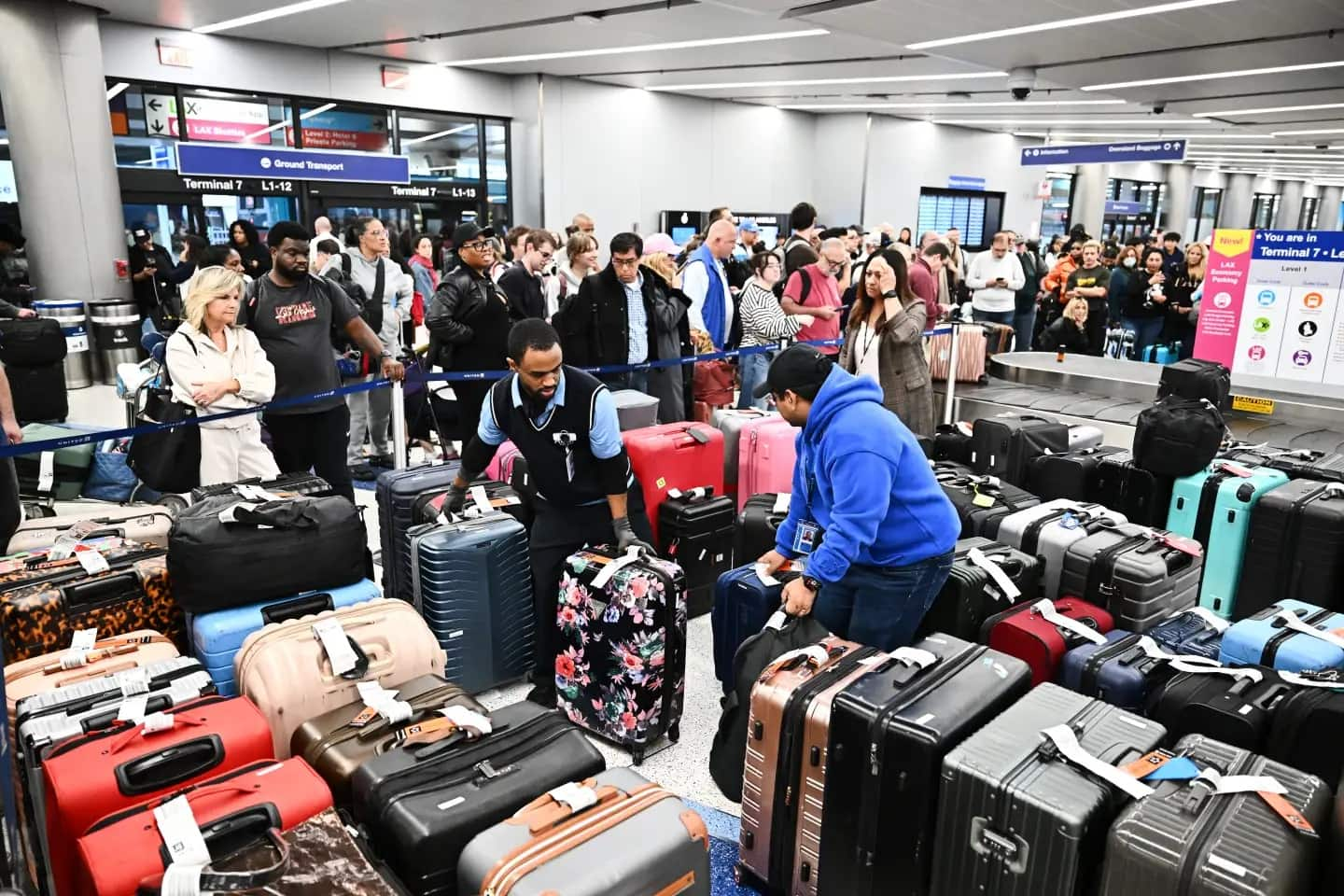
Federal Aviation Administration Administrator Bryan Bedford confirmed on Saturday that the nation's air travel schedule should be fully recovered by saj the close of Sunday. The announcement comes in the wake of the longest nationwide ground stop in a quarter of a century, which left thousands of passengers stranded and upended flight networks around the globe.
Bedford acknowledged that airlines would still experience delays and cancellations throughout Saturday, but promised travellers that the worsting phase of the crisis had passed. According to aviation consultant Andrew Charlton, managing director of Aviation Advocacy, Friday's stoppage impacted approximately a quarter of the normal daily volume of forty-five thousand flights in the United States.
Media additions


Root Causes and Infrastructure Pressures
Trump administration officials explained that the emergency ground stoppage was triggered when new technology being integrated into the air traffic control system overloaded antiquated equipment. This caused intermittent radar and communication gaps across regional centers. Secretary of Transportation Sean Duffy detailed that a contractor had been working to replace a portion of the system's old copper wire with new fiber optic wire when the overload overload occurred. Officials are actively investigating whether the incident stemmed from contractor incompetence or a faulty router.
The disruption stands as only the second nationwide ground stop ordered in the U.S. Since the September 11, 2001, terrorist attacks, following a previous computer malfunction in January 2023. Aviation safety expert Steve Arroyo, a former United Airlines pilot, explained that the nationwide scale forced controllers to keep planes grounded rather than risk flying blind without reliable communication lines.
Secretary of Homeland Security Markwayne Mullin reassured reporters at the White House that no one was in any danger during the incident, noting that more than three thousand aircraft in the air at the time of the grounding order landed safely. Both Duffy and the White House pointed to aging infrastructure as a core vulnerability. The Federal Aviation Administration has already replaced thousands of old copper wires with fiber optic lines and upgraded hundreds of radio systems through an overhaul that began after Congress approved $12.5 billion in funding last year. Duffy and the administration are now pushing for substantial additional funding—ranging between $30 billion and $50 billion—to complete the modernization of the entire network.
Global Ripple Effects and Passenger Disruptions
The shutdown generated severe logistical hurdles due to the highly interconnected nature of modern airline schedules, where aircraft and crews continuously rotate through multiple destinations. Tracking services and aviation data firms reported varying figures regarding the immediate toll on flights.
| Data Provider | Reported Cancellations |
|---|---|
| FlightAware | More than 4,100 flights had been cancelled. |
| Cirium | More than 3,200 flights. |
Passengers faced long lines and difficult choices at airports nationwide. Emily Brown and her fourteen-year-old daughter waited more than four hours at a Dallas airport on Friday for their flight to Columbus, Ohio, before abandoning their travel plans entirely. International hubs also registered heavy downstream impacts. Tim Johnson, consumer director at the UK Civil Aviation Authority, noted that flights operating to and from London's Heathrow Airport faced delays and cancellations as carriers struggled to rebook passengers and reposition aircraft. Sports schedules were similarly disrupted, forcing collegiate athletic matchups such as Mississippi's game against Oklahoma to be postponed by a full day to Sunday.
What to Watch Next
- Sunday Recovery Window: FAA leadership maintains that air traffic schedules will fully stabilize by the end of Sunday, though travelers are advised to continue monitoring airline updates for lingering schedule adjustments.
The worst is behind us,
Bedford said, as carriers work to clear the backlog in time for upcoming seasonal travel periods.