Walmart slump triggers 700‑point Dow drop as yields and oil rise
The Dow Jones Industrial Average suffered its sharpest fall in weeks, dropping 700.75 points as Walmart's weak comparable-store sales sparked a broad market sell-off.
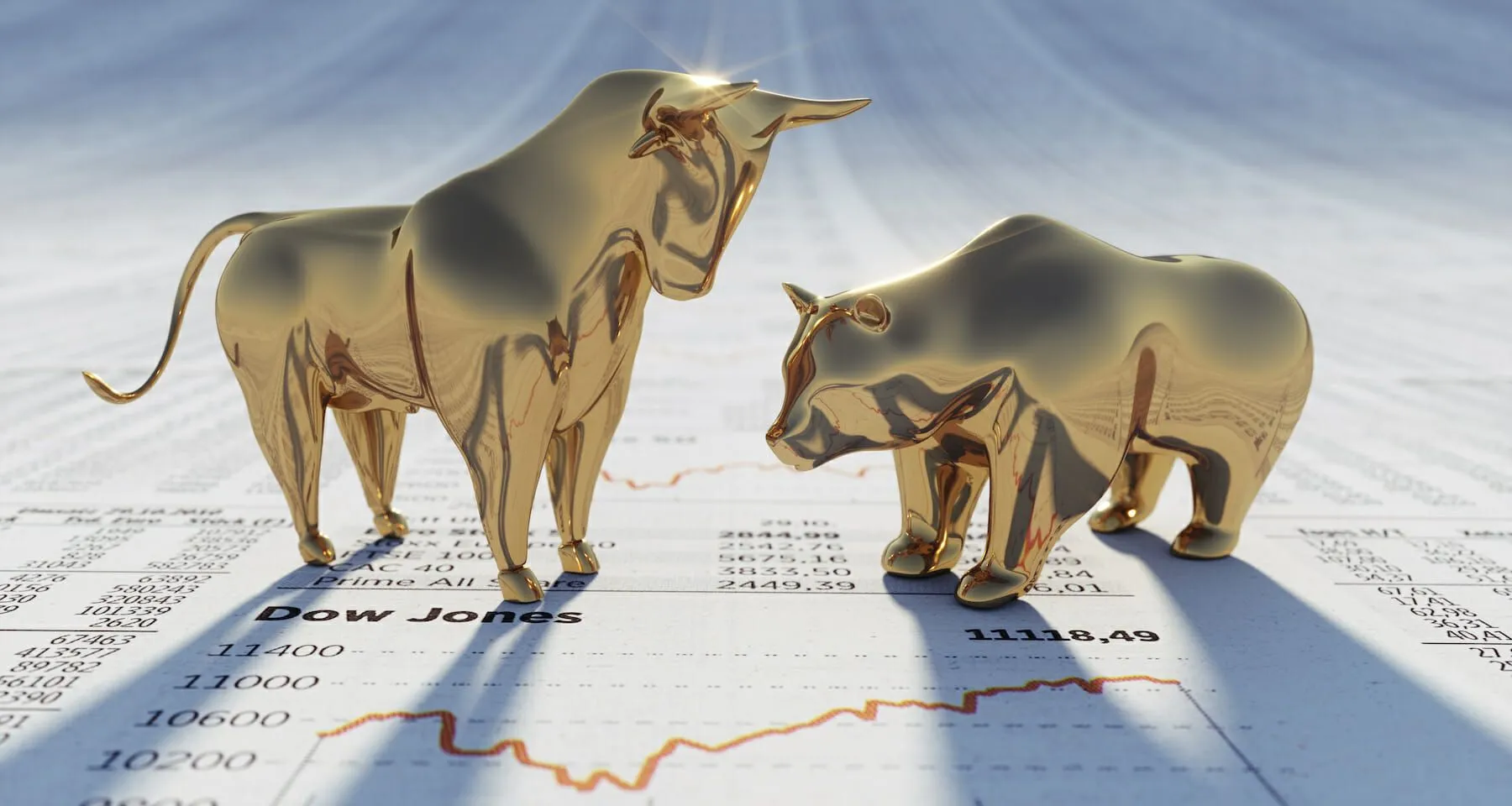
- Core Development: The Dow Jones Industrial Average suffered its sharpest fall in weeks, dropping 700.75 points as Walmart's weak comparable-store sales sparked a broad market sell-off.
- Beat Context: Categorized under Business with independent corroboration.
- Reporting Depth: 3 minute analytical read synthesized from verified newsroom sources.
The Dow Jones Industrial Average slipped to 52,762.30, a decline of 700.75 points or 1.31 percent, marking its sharpest fall in weeks. The tumble unfolded as Walmart’s earnings report sparked a sell‑off that merged with a fresh rise in long‑term Treasury yields and a climb in oil prices, pushing the broader market into risk‑off mode.
Walmart’s earnings miss fuels consumer‑spending concerns
Walmart (NASDAQ: WMT) dropped more than 9 percent after the retailer disclosed quarterly revenue of roughly $187.9 billion, up 5.9 percent year‑on‑year and ahead of consensus estimates. Adjusted earnings per share came in at $0.81, also beating the roughly $0.74 forecast. But investors zeroed in on the underlying sales metric that matters most to the world’s biggest retailer: comparable‑store sales, excluding fuel, rose only 2.6 percent, shy of Wall Street’s 3.7‑3.8 percent expectation.
"Walmart’s results have added another issue by raising questions about whether consumers are beginning to feel the strain of higher prices."
Investingcube, via Dow Jones Today
Because Walmart’s traffic is viewed as a bellwether for U.S. Household spending, the weaker‑than‑expected comparable‑store growth rekindled doubts about consumer resilience. The sell‑off in Walmart helped drag down other Dow constituents, with Boeing sliding about 3.2 percent and Home Depot down roughly 2.8 percent. Only a modest handful of Dow stocks escaped the pressure, as Travelers and McDonald’s inched up around 0.6 percent each, while Disney finished modestly higher.
Bond market dynamics reverse earlier relief
Earlier in the session, long‑term Treasury yields had nudged higher, erasing a brief lull that followed the U.S. Treasury’s announcement to double the size of buy‑back operations for longer‑dated government debt. Higher yields make low‑risk bonds more attractive and compress equity valuations, especially for growth‑oriented stocks that rely on low discount rates for future earnings. The reversal contributed to the broader market’s defensive stance.
Oil, gold and volatility add to the mix
Energy prices surged as geopolitical tensions kept the market on edge. U.S. Crude rose more than 2 percent to breach $86 per barrel, while Brent crude traded above $93 per barrel. Higher oil prices feed into inflation calculations, sharpening concerns that the Federal Reserve may need to adopt a more hawkish stance.
Gold moved in the opposite direction, with December futures edging toward $4,577 per ounce as investors sought defensive assets. Meanwhile, the CBOE Volatility Index rose more than 7 percent, underscoring heightened nervousness among traders.
Technical outlook for the Dow
Investingcube highlighted that the index closed almost exactly at its session low of 52,754.90, suggesting sellers retained control to the final bell. The immediate technical test lies around 52,750; a break below could open the path toward the psychological 52,000 zone. On the upside, buyers must first reclaim 53,000 and then target the session high of roughly 53,380 to ease short‑term pressure. The Dow’s 52‑week high sits near 54,744, leaving the recent decline roughly 3.6 percent below that peak.
Contrasting fortunes in Asian markets
While U.S. Equities faltered, India’s benchmarks posted solid gains. The Sensex closed up 628 points, or 0.82 percent, at 77,537.72, and the Nifty 50 rose 154 points, or 0.64 percent, to 24,231.85. Live Mint attributed the rally to three primary drivers.
- Short‑covering after a prolonged downtrend, with analysts noting the markets appeared set for a short‑term reversal from oversold territory.
- A decline in the dollar index of 0.83 percent and a crash in 10‑year U.S. Bond yields of 1.13 percent on the day following the Treasury’s buyback announcement, which helped ease concerns about foreign capital outflows.
- Robust foreign portfolio investor buying, with FPIs purchasing Indian stocks worth ₹408 crore on the day and a cumulative ₹23,320 crore in August up to the 19th.
Sectoral performance reinforced the upside. Nifty Media led gains with a 2.13 percent rise, followed by Realty at 1.41 percent. Financials, FMCG, IT and Private Bank
How significant is this development?
Contribute your assessment to the aggregated reader sentiment ledger.
Frequently Asked Questions
Key questions answered in this reportWhat is the key development in: Walmart slump triggers 700‑point Dow drop as yields and oil rise?
The Dow Jones Industrial Average suffered its sharpest fall in weeks, dropping 700.75 points as Walmart's weak comparable-store sales sparked a broad market sell-off.
Why is this Business development significant for the UK?
This report covers critical events in our Business beat. Independent reporting monitors related UK statements, regulatory shifts, and public responses as further verified details emerge.
How was this reporting corroborated and verified?
Newsarchy UK compiles and cross-references reporting from primary reporting from livemint.com and cross-checked wire reports. All coverage adheres to published editorial standards.
When was this report published?
This briefing was published on August 21, 2026 and is permanently cataloged in the Newsarchy UK Business archives.