Nehal Gandhi book exposes power imbalances in donor-grantee relationships
Nehal Gandhi argues that philanthropic 'shape-shifting' to satisfy donor expectations often undermines community-rooted needs. She calls for a shift toward reciprocity and collaboration to replace traditional, transactional funding models.
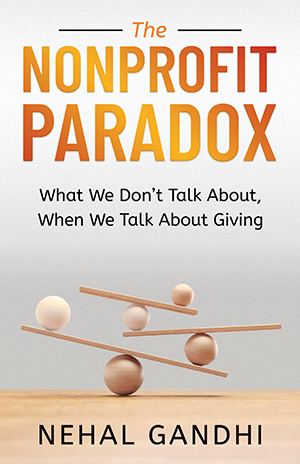
- Core Development: Nehal Gandhi argues that philanthropic 'shape-shifting' to satisfy donor expectations often undermines community-rooted needs. She calls for a shift toward reciprocity and collaboration to replace traditional, transactional funding models.
- Beat Context: Categorized under Cost of Living with independent corroboration.
- Reporting Depth: 3 minute analytical read synthesized from verified newsroom sources.
In her book, The Nonprofit Paradox: What We Don't Talk About, When We Talk About Giving, author Nehal Gandhi argues that the philanthropic sector is constrained by systemic power imbalances that frequently turn the concept of “partnership” into a transactional arrangement. Gandhi, who began her career in 2001 as a program analyst at the Sir Ratan Tata Trust in Mumbai, suggests that donor-grantee relationships are often defined by the donor's control over success metrics, reporting frameworks, and timelines. These dynamics force grantees into a cycle of performance, where the priority is meeting donor expectations rather than addressing community-rooted needs.
This operational reality creates what Gandhi describes as a “hidden curriculum,” a concept adapted from educational theory to explain the unspoken norms of institutional behavior that shape success in the non-profit sector. To survive, organizations often engage in “shape-shifting,” a practice where they reframe their work to mirror the priorities and buzzwords of their funders. As noted in the book, this requires grantees to craft narratives that highlight successful impact while obscuring the “messiness” of real-world obstacles. Such performance often leads to burnout and a dilution of the organization’s original mission, particularly when funders prioritize short-term outputs over the long-term, multi-generational change often required for meaningful social impact.
Media additions

Gandhi’s work arrives as the philanthropic community faces broader scrutiny regarding transparency, trust, and the efficacy of traditional funding models. While she identifies trends such as trust-based philanthropy and participatory grantmaking as potential paths toward power-sharing, she cautions that the sector remains largely trapped in a “triangle of interdependence” among implementing agencies, support organizations, and donors. When donors view financial stewardship as a position of authority rather than one of co-creation, they may unintentionally become obstacles to the very progress they intend to fund.
The book outlines several key pressures contributing to this philanthropic divide:
- Corporate Constraints: CSR initiatives are often hemmed in by branding requirements and internal performance targets that do not align with community-led change.
- Metric Obsession: The pressure to prove impact often forces funders to restrict capital in ways that are counterproductive to innovation.
- The Trust Deficit: First-time donors, particularly in regions influenced by stringent regulations and media narratives, often approach the non-profit sector with a bias that necessitates compliance-heavy oversight, further stifling mutual trust.
Gandhi’s analysis is informed by her own history at the Sir Ratan Tata Trust, where she observed how even well-intentioned giving guidelines shaped implementation plans. Reflecting on her time there, she noted that the process of aligning language was meticulous, involving the review of reports and the careful crafting of communication, a depth she argues is often missing in an era of instant digital exchange. She emphasizes that accountability should not flow in only one direction; instead, relationships rooted in humility, reciprocity, and shared learning offer a different path forward.
While some foundations now invite grantees to co-design programs or define their own success metrics, Gandhi argues that the sector must move past superficiality to inhabit the “messy middle”—a space characterized by honesty, curiosity, and the recognition that true impact cannot be distilled into donor-defined, short-term targets. Her work serves as an invitation for both donors and grantees to restructure the funding conversation, moving away from transactional exchanges toward genuine collaboration.
How significant is this development?
Contribute your assessment to the aggregated reader sentiment ledger.
Frequently Asked Questions
Key questions answered in this reportWhat is the key development in: Nehal Gandhi book exposes power imbalances in donor-grantee relationships?
Nehal Gandhi argues that philanthropic 'shape-shifting' to satisfy donor expectations often undermines community-rooted needs. She calls for a shift toward reciprocity and collaboration to replace traditional, transactional funding models.
Why is this Cost of Living development significant for the UK?
This report covers critical events in our Cost of Living beat. Independent reporting monitors related UK statements, regulatory shifts, and public responses as further verified details emerge.
How was this reporting corroborated and verified?
Newsarchy UK compiles and cross-references reporting from primary reporting from ssir.org and cross-checked wire reports. All coverage adheres to published editorial standards.
When was this report published?
This briefing was published on July 22, 2026 and is permanently cataloged in the Newsarchy UK Cost of Living archives.