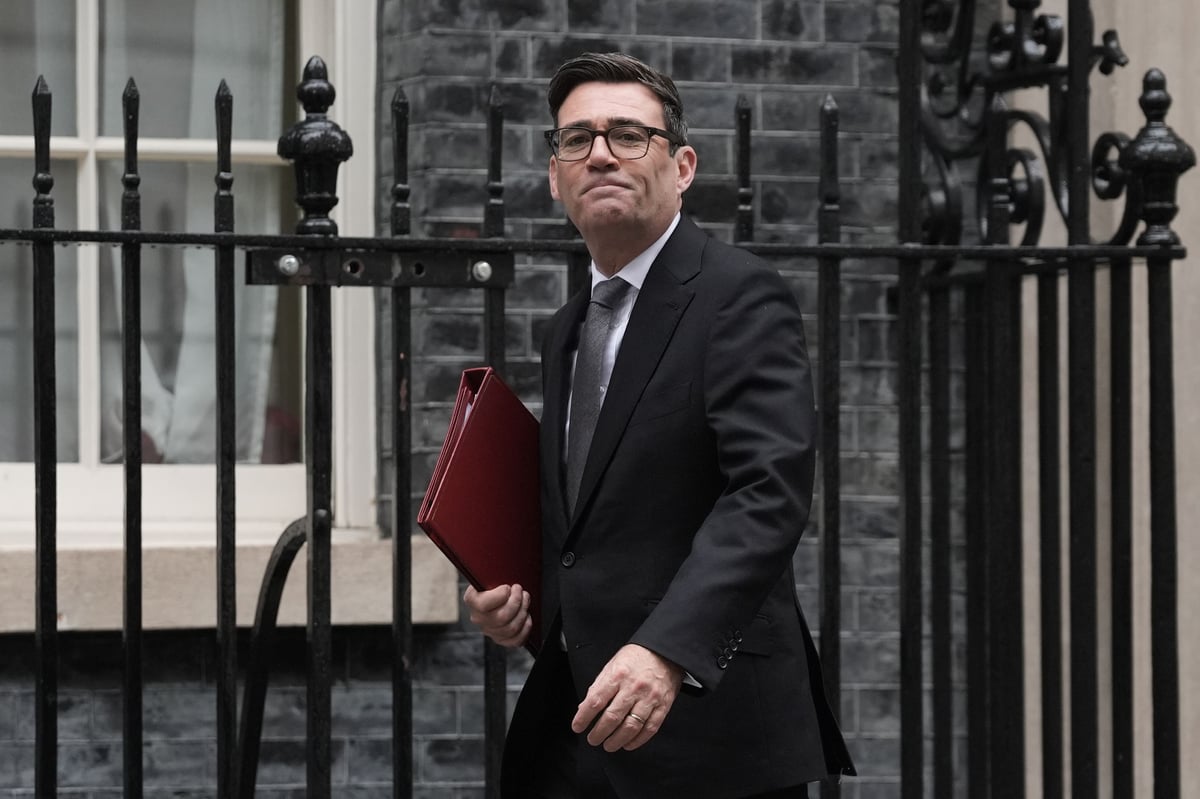
UK reports unexpected deficit of £1.8bn as John Healey prepares for first budget
The UK public finances recorded an unexpected £1.8bn shortfall in July, pushing total public debt to £2.98tn as Chancellor John Healey prepares his budget.
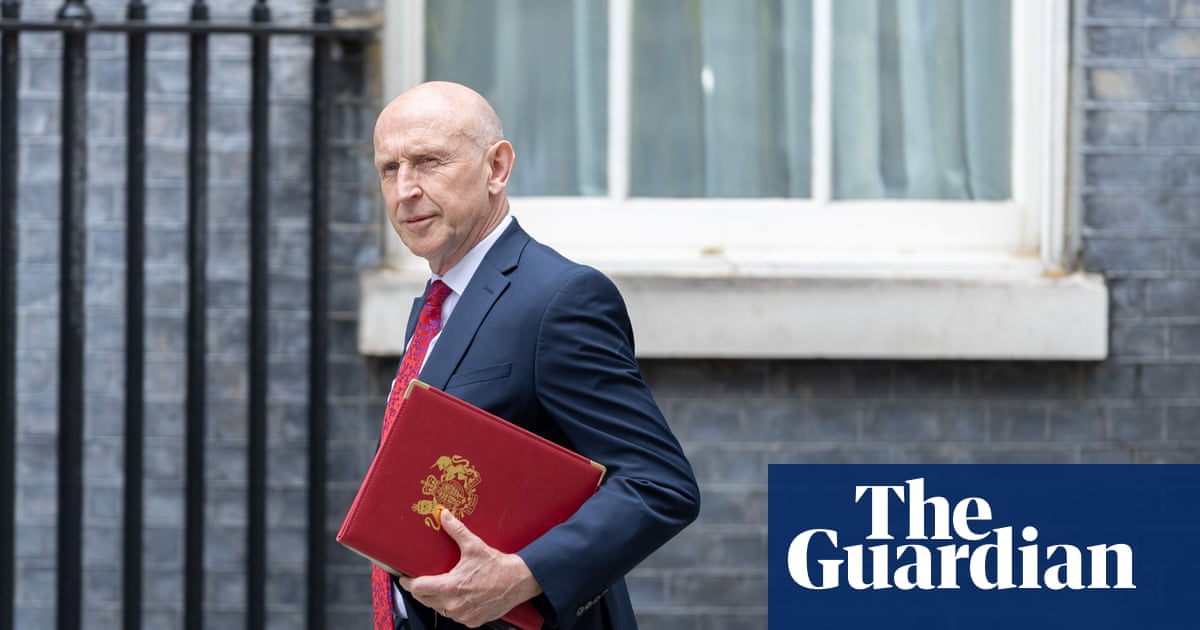
- Core Development: The UK public finances recorded an unexpected £1.8bn shortfall in July, pushing total public debt to £2.98tn as Chancellor John Healey prepares his budget.
- Beat Context: Categorized under Cost of Living with independent corroboration.
- Reporting Depth: 4 minute analytical read synthesized from verified newsroom sources.
The UK public finances have suffered an unexpected setback after government borrowing figures revealed a deficit running into billions, complicating the economic backdrop as John Healey prepares to deliver his fiscal statement. City forecasters had anticipated a balanced ledger for the period, but surging public spending outpaced tax receipts despite robust self-assessment inflows, heaping further pressure on the administration as wider cost-of-living challenges persist across the country.
According to data from the Office for National Statistics, reported by The Guardian, the July shortfall reached £1.8bn. Although self-assessment tax receipts climbed to £17.1bn—marking an increase compared with the previous year—spending growth continued to outstrip incoming revenue. During the opening four months of the financial year, the cumulative deficit climbed to £56.7bn, sitting above the trajectory previously forecast by the Office for Budget Responsibility.
Media additions

Total public debt stood at £2.98tn in July, accounting for 94% of GDP and rising significantly over a twelve-month period. Analysts note that global bond market movements have driven up yields on government bonds, pushing the interest rate higher and inflating the future debt-interest bill as existing borrowing is refinanced. WPI Strategy chief economist Martin Beck highlighted that ten-year gilt yields exceeding 5% reflect ongoing energy-related inflation concerns, while the administration faces competing demands to loosen inherited spending plans, fund defence commitments, and advance housing and infrastructure projects.
Defending the government's approach, John Healey insisted that fiscal discipline remains essential for economic stability and national security. He maintained that the government is cutting the deficit faster than any other G7 economy while simultaneously supporting citizens through cost-of-living pressures. Nevertheless, the chancellor faces the task of securing additional annual funding for defence investments following his earlier departure from the defence portfolio over resource constraints.
| Public Finance Indicator | Figure | Context |
|---|---|---|
| July Monthly Deficit | £1.8bn | City economists had expected a shortfall of zero |
| Self-Assessment Tax (July) | £17.1bn | £1.7bn higher than the same month last year |
| Cumulative Deficit (4 Months) | £56.7bn | £2.3bn ahead of OBR forecasts |
| Total Public Debt (July) | £2.98tn (94% of GDP) | Up £96bn on a year earlier |
Against this constrained financial backdrop, consumer champion Martin Lewis met with the chancellor and subsequently outlined his projections for the upcoming fiscal statement. Speaking to The Independent, Lewis expressed confidence that an intervention package would be introduced for low-income households to mitigate a forecast rise in energy bills. Lewis suggested the government could double the warm home discount or scrap standing charges entirely, describing the latter as a widely popular measure. His recommendations to the Treasury also include reversing plans to freeze the student loan repayment threshold and ensuring that any small earnings above state pension payments won’t leave retirees with less take-home pay.
Energy policy and regional industrial demands are further complicating the political landscape. In Scotland, Aberdeen South MP Douglas Lumsden urged the Energy Secretary to approve the Rosebank oil field following the recent approval of the Jackdaw gas field. Writing to Miatta Fahnbulleh, Lumsden emphasized that the local constituency depends on continued fossil fuel exploration, arguing that renewable sectors cannot immediately absorb the thousands of peak construction and long-term jobs associated with the project. Concurrently, SNP Westminster leader Dave Doogan criticized the establishment of a new £2bn energy wealth fund funded by North Sea revenues, arguing that Scottish resources should yield a far larger return for local populations.
Amid these competing pressures, wider economic indicators present a mixed picture. Private sector output expanded at its fastest pace since April, driven largely by the services sector according to an S&P Global purchasing managers' survey. However, broader cost pressures and inflation reaching a five-month high have left experts anticipating difficult choices ahead.
The government's fiscal trajectory will become clearer when John Healey delivers his budget statement on 28 October. Prior to the announcement, observers will monitor ongoing developments in the energy sector, global bond market fluctuations, and potential cost-of-living support packages for households facing rising winter utility bills.
How significant is this development?
Contribute your assessment to the aggregated reader sentiment ledger.
Frequently Asked Questions
Key questions answered in this reportWhat is the key development in: UK reports unexpected deficit of £1.8bn as John Healey prepares for first budget?
The UK public finances recorded an unexpected £1.8bn shortfall in July, pushing total public debt to £2.98tn as Chancellor John Healey prepares his budget.
Why is this Cost of Living development significant for the UK?
This report covers critical events in our Cost of Living beat. Independent reporting monitors related UK statements, regulatory shifts, and public responses as further verified details emerge.
How was this reporting corroborated and verified?
Newsarchy UK compiles and cross-references reporting from primary reporting from Newswav and cross-checked wire reports. All coverage adheres to published editorial standards.
When was this report published?
This briefing was published on October 22, 2026 and is permanently cataloged in the Newsarchy UK Cost of Living archives.