Pacific voters send a clear election message: Tackle living costs and earn our trust
As New Zealand's general election approaches, new polling shows nine in ten Pacific voters want urgent action on household living costs.

- Core Development: As New Zealand's general election approaches, new polling shows nine in ten Pacific voters want urgent action on household living costs.
- Beat Context: Categorized under Cost of Living with independent corroboration.
- Reporting Depth: 4 minute analytical read synthesized from verified newsroom sources.
Pacific voters are sending an unmistakable message to political parties contesting the upcoming general election: address soaring everyday expenses or forfeit community trust at the ballot box. A tightening national contest places household budgets at the very centre of the debate, overshadowing traditional political alignments and putting pressure on governing parties to prove they understand the realities facing Pasifika families. According to RNZ, Post Courier, and E-Tangata coverage, everyday financial pressures are driving voter sentiment across the community.
Everyday financial pressures dictate voting patterns, as shown by the PMN News-Horizon Research Pacific Issues Election Survey. Household budgets, employment, and wages heavily influence voter choices. Nine in ten respondents stated that the cost of living would directly influence their vote, followed closely by jobs and wages, health, and housing concerns.
Media additions


| Polling / Survey Metric | General Public / National Polls | Pacific-Specific Survey Findings |
|---|---|---|
| Labour Support | 30.9 percent | 50 percent |
| National Support | 29.8 percent | 11 percent |
| New Zealand First Support | — | 7 percent |
That disconnect extends to how voters view the major parties' comprehension of their communities. Large majorities of Pacific respondents expressed doubt that the governing coalition parties grasp the daily challenges facing Pasifika families. Specifically, 72 percent said National does not understand Pacific communities well, while 74 percent said the same about ACT and 59 percent about New Zealand First, according to survey findings published by RNZ. Conversely, Labour drew significantly higher favourability ratings, with 70 percent saying the party understands Pacific communities well, reflecting long-standing historical ties examined further within our Cost of Living coverage.
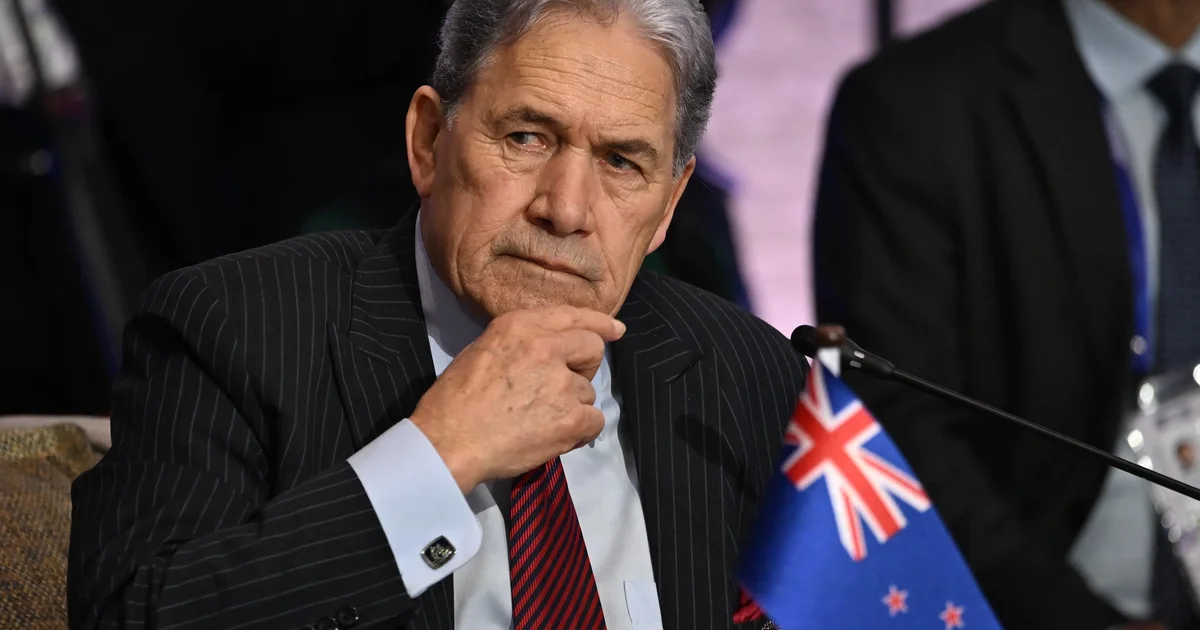
Electoral friction has also intensified around voting eligibility. New Zealand First continues to champion its "Citizens Only" proposal, which would strip permanent residents of their right to vote in general, local, and referendum ballots. Party leader Winston Peters defended the policy on Pacific Mornings
, arguing that citizenship signifies a long-term commitment to Aotearoa. Defending the policy, Peters asked via the Post Courier: "Where in the world do they allow that to happen? My point is, if you’re going to sign up to New Zealand, then sign up."
He further noted that nations such as Sāmoa, Tonga, and the Cook Islands restrict voting rights to citizens.
Critics point out that many long-term residents within Pacific communities have not transitioned to formal citizenship, raising concerns over disenfranchisement. Meanwhile, discussions around political leverage under the Mixed Member Proportional (MMP) system highlight how concentrated diasporas could theoretically wield decisive bargaining power, similar to historical dynamics observed in Māori electorates. Law lecturer Sione Tekiteki noted via E-Tangata that Pacific communities make up roughly 9 percent of New Zealand's population, with about 46 percent under the age of 25.
Geopolitical tensions continue to run parallel to domestic campaigning. Foreign Minister Winston Peters drew sharp international criticism following a parliamentary exchange with Green Party MP Lawrence Xu-Nan, as reported by the Lowy Institute. During a debate in the House of Representatives about New Zealand's Covid-19 response, when Xu-Nan called out "Are you vaccinated?"
to Peters, the foreign minister shouted across the House: "Go back to your own country – that’s where they lie like a flatfish, but they don’t lie like that here, all right? This is called a democracy."
The ensuing diplomatic friction with Beijing compounds existing pressures on Prime Minister Christopher Luxon’s administration, which is simultaneously navigating a delicate security environment in the South Pacific and managing economic exposure to its largest trading partner.
Medical researchers and Indigenous health experts are also pressing for structural equity. At the Polynesian Precision Medicine Symposium held in Apia on 31 July 2026, scholars emphasised the necessity of active Indigenous participation in genomics and precision medicine to prevent widening health inequities across New Zealand and the wider Pacific region. Natalie Netzler from the University of Auckland warned via the Pacific Island Times that unless Indigenous populations are included, existing health inequities could widen as health systems adopt personalised healthcare approaches.
Engagement among younger demographics remains a critical variable for campaigns. While overall interest in the electoral cycle has risen compared to previous years, younger citizens report hurdles in accessing clear policy information and navigating registration requirements. Engagement figures show that while 58 percent of respondents aged 18 to 24 said they were enrolled to vote, only one in three said they were certain to cast a ballot.
What to watch next
- Advance voting opens on Monday, 26 October 2026, providing the first concrete indicator of turnout among key demographic blocs.
- The general election takes place on Saturday, 07 November 2026, where final party vote shares will determine coalition viability and legislative leverage.
- Ongoing coalition negotiations and policy announcements regarding cost-of-living interventions will test whether major parties can successfully bridge the trust gap identified in recent community polling.
How significant is this development?
Contribute your assessment to the aggregated reader sentiment ledger.
Frequently Asked Questions
Key questions answered in this reportWhat is the key development in: Pacific voters send a clear election message: Tackle living costs and earn our trust?
As New Zealand's general election approaches, new polling shows nine in ten Pacific voters want urgent action on household living costs.
Why is this Cost of Living development significant for the UK?
This report covers critical events in our Cost of Living beat. Independent reporting monitors related UK statements, regulatory shifts, and public responses as further verified details emerge.
How was this reporting corroborated and verified?
Newsarchy UK compiles and cross-references reporting from primary reporting from E-Tangata and cross-checked wire reports. All coverage adheres to published editorial standards.
When was this report published?
This briefing was published on October 26, 2026 and is permanently cataloged in the Newsarchy UK Cost of Living archives.