Thames Water announces hosepipe ban for 10 million customers
Thames Water has implemented a temporary hosepipe ban affecting 10.1 million customers following an exceptionally warm and dry spring.

- Core Development: Thames Water has implemented a temporary hosepipe ban affecting 10.1 million customers following an exceptionally warm and dry spring.
- Beat Context: Categorized under Cost of Living with independent corroboration.
- Reporting Depth: 4 minute analytical read synthesized from verified newsroom sources.
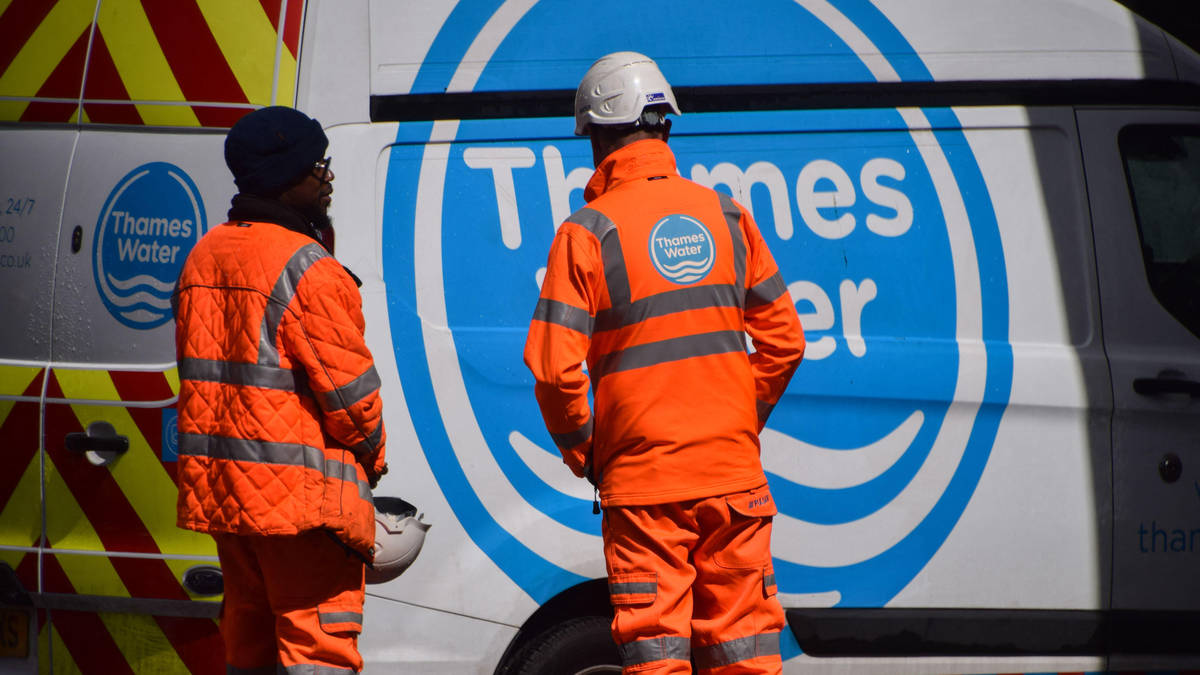
Millions of households face strict new limitations on water use as Thames Water implements a temporary use ban affecting 10.1 million customers following an exceptionally warm and dry spring and multiple summer heatwaves. The restrictions arrived on Thursday, prohibiting the use of hosepipes for watering gardens and allotments, cleaning cars and windows, or filling paddling pools and swimming pools, as the region grapples with soaring demand and critically low rainfall.
The restrictions, reported by the Barking and Dagenham Post, apply exclusively to customers supplied with drinking water rather than wastewater services. According to company figures cited by the BBC, the utility's service area has received only 40% of average rainfall this year alongside record-breaking high temperatures at or above 34C. Peak summer periods have caused water to be consumed faster than treatment facilities and distribution networks can process and move it.
Media additions

We would not be taking this step unless it was necessary to protect water supplies for everyone and the environment,
said Nevil Muncaster, director of strategic water resources at Thames Water, adding that teams are working continuously to maintain flows and repair leaks.
Exemptions to the ban apply for health and safety reasons, as well as for customers with severe mobility problems who cannot reasonably adjust their routines. Buckets and watering cans remain permissible for tending to plants and washing vehicles.
The crisis extends well beyond the Thames basin. The Barking and Dagenham Post notes that 23 million people across England are now under or facing restrictions. The Environment Agency has declared prolonged dry weather in eight regions, placing them one step away from official drought status. National regulators point to severely depleted river flows — with only 13% of rivers sitting at normal levels — and six reservoirs exhibiting notably low water levels, including Wimbleball, Grafham, and Hanningfield.
| Water Company | Affected Region | Details |
|---|---|---|
| Thames Water | London, Thames Valley, Gloucestershire, Wiltshire, Surrey, Home Counties | Ban for 10.1 million drinking water customers starting Thursday |
| South East Water | Kent, Surrey, Sussex, Hampshire, Berkshire | Hosepipe ban extended from Kent to neighboring counties |
| Southern Water | Hampshire, Isle of Wight | Restrictions affecting approximately one million customers |
| South West Water | Mid Devon, Dorset (Lyme Regis) | Temporary use bans in place across local patches |
| Welsh Water | West Wales | Ban introduced affecting 33,000 properties |
The operational strain on Britain's largest water provider unfolds against a backdrop of severe corporate and financial vulnerability. According to investigative reporting by Lbc, Thames Water faces mounting scrutiny over its infrastructure strategy, specifically its flagship Teddington Direct River Abstraction (TDRA) project. Designed to remove up to 75 million litres of water per day from the River Thames by 2033, the scheme has been criticized by local campaigners and politicians as an expensive white elephant.
Analysis shared with LBC indicates that the projected average incremental cost of the water produced could jump from 63p per cubic metre to £5.12 per cubic metre when factoring in that the plant is designed to operate only 45.5 days per year rather than continuously. Ian McNuff, founder of the Save Our Lands and Rivers campaign, argued that the public has been misled regarding the scheme's actual output and utility. Local Liberal Democrat MP Munira Wilson similarly criticized the project for pumping treated sewage upstream of London's first designated bathing site at Ham, while questioning whether the capital's staggering losses of 592 million litres daily from leaky pipes should take priority over new construction.
Thames Water defended the project, stating that the TDRA went through a rigorous regional selection process and remains one of the best value options for securing long-term drought resilience. A company spokesperson emphasized that treated sewage discharges will strictly adhere to standards set by the Environment Agency.
Meanwhile, the company's financial survival hangs in the balance. Government officials recently rejected a bailout proposal from the firm's creditors, which involved writing off £9.4bn of debt alongside a fresh cash injection. As LBC reports, Prime Minister Andy Burnham's new administration is reportedly poised to take Britain's biggest water supplier into a special administration regime if private rescue talks fail before the company runs out of money later this year. Such a step would result in temporary public control to safeguard water and sewage services, though institutional investors are reportedly preparing to bid for the company regardless.
As the National Drought Group, comprising the Met Office, government agencies, farmers, and conservation experts, continues to coordinate the emergency response, officials urge citizens to conserve water where possible.
Thames Water has stated it will keep the hosepipe restrictions under close review and lift them as soon as safe operating conditions return, while Downing Street faces imminent decisions regarding the potential nationalisation of the heavily indebted utility.
How significant is this development?
Contribute your assessment to the aggregated reader sentiment ledger.
Frequently Asked Questions
Key questions answered in this reportWhat is the key development in: Thames Water announces hosepipe ban for 10 million customers?
Thames Water has implemented a temporary hosepipe ban affecting 10.1 million customers following an exceptionally warm and dry spring.
Why is this Cost of Living development significant for the UK?
This report covers critical events in our Cost of Living beat. Independent reporting monitors related UK statements, regulatory shifts, and public responses as further verified details emerge.
How was this reporting corroborated and verified?
Newsarchy UK compiles and cross-references reporting from primary reporting from lbc.co.uk and cross-checked wire reports. All coverage adheres to published editorial standards.
When was this report published?
This briefing was published on October 3, 2026 and is permanently cataloged in the Newsarchy UK Cost of Living archives.


