Cyprus borrowers warn of growing pressure from loans, inflation and energy bills
Households and small businesses across Cyprus face mounting financial strain as persistent inflation, elevated interest rates, and surging energy bills squeeze budgets.

Households and small businesses across Cyprus face mounting financial strain as persistent inflation, elevated bank interest rates, and surging energy bills squeeze household budgets.
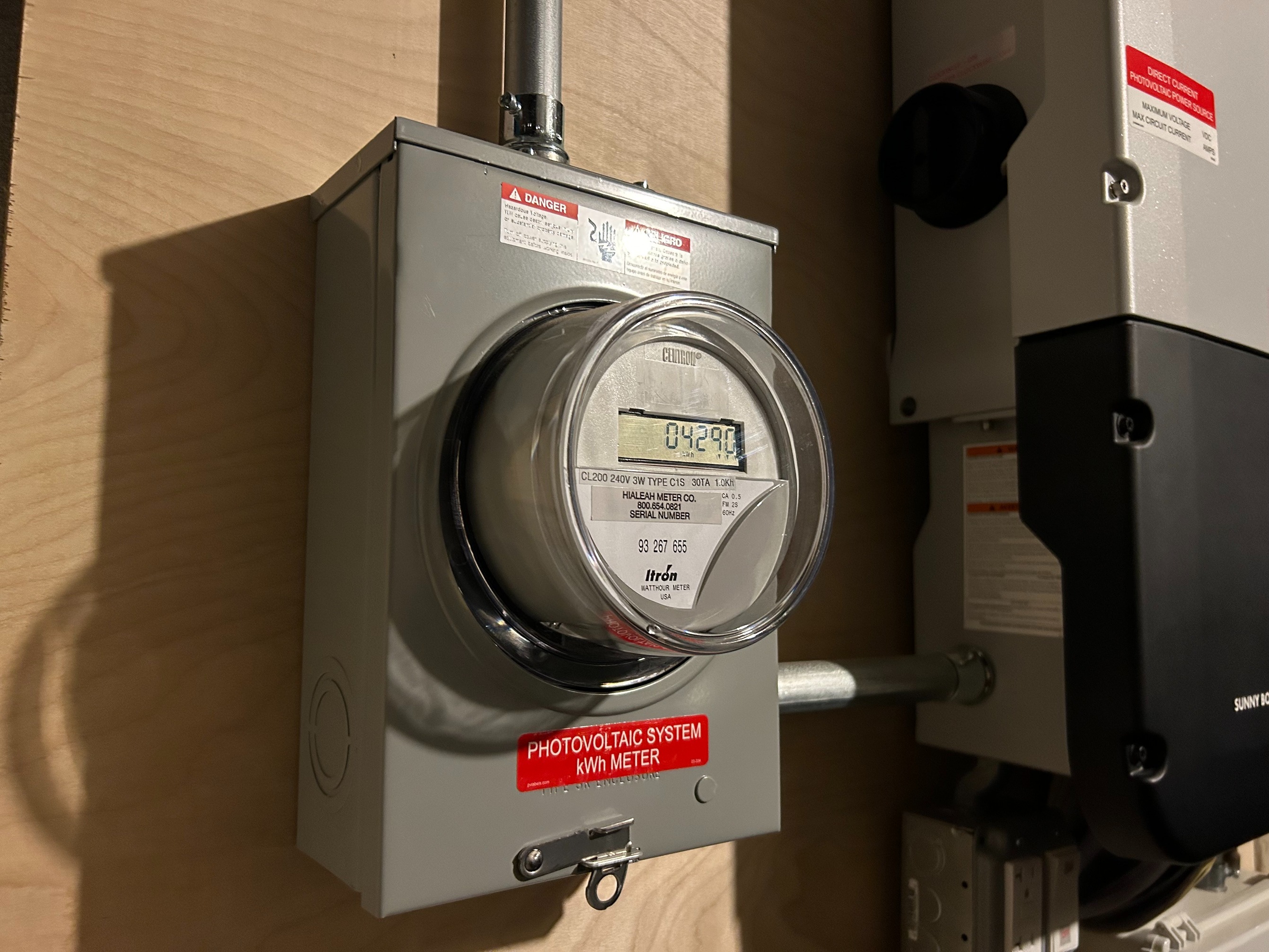
According to the Cyprus Mail, the Cyprus Borrowers Protection Association (Syprodat) issued a statement on Monday, 16 November 2026, calling on the government to introduce targeted relief measures. The association warned that everyday living expenses, combined with loan commitments, are severely testing the public. The continuing rise in prices, pressure on bank interest rates and the new burden on electricity bills are creating an increasingly difficult environment for Cypriot households and small and medium-sized businesses,
Syprodat stated.
Media additions

The domestic squeeze coincides with broader monetary pressures. Reporting via Knews, Kathimerini highlights that the European Central Bank is expected to raise interest rates twice this year to counter a fresh wave of inflation sparked by conflict and rising energy costs, according to a Bloomberg survey of economists. Most analysts anticipate a 0.25 percentage point increase at the next meeting, followed by another hike later in the year, likely in September, which would push the key deposit rate to 2.5 per cent. Because many mortgages in Cyprus are tied to variable rates, these monetary shifts translate directly into higher monthly repayments for local families. The conflict in Iran is noted as a catalyst for these energy and inflation pressures, affecting electricity bills, supermarket receipts, and mortgage payments.
Comparative Economic Metrics
Economic indicators illustrate the divergence between national macroeconomic upgrades and the realities on the ground for consumers. While Fitch Ratings recently upgraded Cyprus’s long-term credit rating to A from A-, inflation figures place the island well above the wider eurozone.
| Economic Indicator | Cyprus Figure | Euro Area / Bloc Figure |
|---|---|---|
| Estimated Annual Inflation (October) | 5.4% | 4.0% |
| Estimated Monthly Inflation (October) | 0.2% | N/A |
| Household Deposit Rate (Up to 1-Year Maturity, September) | 1.62% | 2.33% |
| Non-Financial Corporation Term Deposit Rate (September) | 1.70% | 2.46% |
| New Housing Loan Rate (September) | 3.24% | 3.64% |
Data from Eurostat’s flash estimate places Cyprus at 5.4 per cent annual inflation for October, sitting 1.4 percentage points above the euro area average of 4 per cent. Additional comparative inflation details show Lithuania recording the highest annual rate at 6.1 per cent, followed by Bulgaria at 6 per cent, while Greece and Italy both registered 5.6 per cent. Meanwhile, Central Bank of Cyprus figures from September show that local deposit and lending rates trail wider European averages, leaving savers with comparatively limited returns while borrowers navigate tightening conditions alongside broader Cost of Living challenges.
Expert Perspectives on Monetary Policy
Economists tracking the European Central Bank emphasize that policymakers are prioritizing price stability over immediate relief. Daniel Hartmann, chief economist at Bantleon, noted,
He wants to emphasize that it takes the 2% target seriously and will not tolerate persistent overshoots."The ECB wants to send the message that it will not stand idly by while inflation rises,"
Daniel Hartmann, chief economist at Bantleon
Echoing that assessment, Arne Petimezas, head of research at AFS Interest, explained that the central bank must act to preserve its institutional credibility.
Petimezas added that underlying inflation, which excludes volatile categories like energy, has remained above the central bank’s 2% target since 2021."The ECB will present the rate hike as a measure to preserve its credibility,"
Arne Petimezas, head of research at AFS Interest
At the same time, the ECB faces a difficult balancing act. Business activity contracted in May at its fastest pace since 2024, and economists expect the ECB to lower its growth forecasts for this year and next while increasing its inflation outlook. Many economists now believe any relief in interest rates is unlikely before the middle of 2027, later than previously expected. Three out of four economists surveyed believe the impact of the war could continue for six months or longer after a peace agreement is reached.
Demands for Targeted Intervention
Syprodat argues that positive high-level economic data offers little comfort to citizens struggling with daily necessities. The association's recommendations for government intervention include:
- Relieving vulnerable households from higher electricity costs
- Providing support to borrowers and protecting primary residences
- Reducing the burden of fuel and essential living costs
- Strengthening assistance for low-income pensioners, workers and families
As energy, food, fuel and housing costs continue to weigh on family budgets, the debate over how to protect purchasing power remains central.