Valerio Tuveri cleans up Rome's historic graffiti as viral restorer
Architectural restorer Valerio Tuveri is using a high-pressure sand blaster and social media videos to remove unauthorized graffiti from Rome's historic landmarks.
- Core Development: Architectural restorer Valerio Tuveri is using a high-pressure sand blaster and social media videos to remove unauthorized graffiti from Rome's historic landmarks.
- Beat Context: Categorized under Culture with independent corroboration.
- Reporting Depth: 3 minute analytical read synthesized from verified newsroom sources.
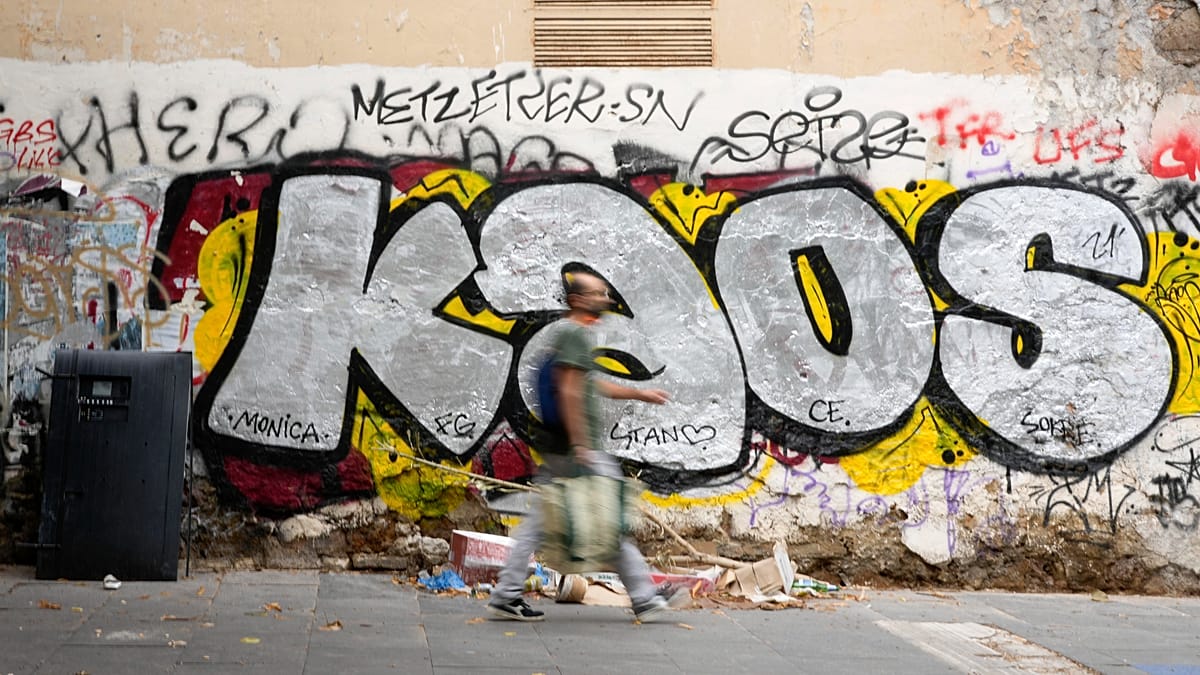
Visitors walking through the ancient streets of the Eternal City often encounter more than classical ruins, as colourful tags and spray paint have spread widely across public and private structures. Amid this landscape of urban markings, a young architectural restorer is taking matters into his own hands, transforming heritage preservation into viral digital media according to reporting by Yahoo News. Armed with a high-pressure sand blaster and protective gear, Valerio Tuveri is systematically removing unauthorized paint from historic stonework across the Italian capital.
Known across Instagram and TikTok as the creator who cleans Rome, Tuveri documents his painstaking removal process for a growing online audience. His recent intervention targeted Villa Sciarra, a protected landmark where fresh spray paint had disfigured newly repaired masonry. Operating heavy machinery while onlookers gathered, he stripped away the vandalism without compromising the underlying historic stone. Local residents frequently linger to watch the process, with several individuals stepping forward to assist with final touches and transform the solitary task into a communal reclamation effort.
Media additions
The motivation behind the campaign stems from a deep frustration with municipal vandalism. I decided to take this path, this 'battle', against graffiti because Rome is, in my opinion, the most beautiful city in the world, but at the same time the most vandalised city in Europe,
Tuveri states, highlighting that meaningless scrawls cover monuments, private residences, automobiles, and storefront shutters.
While acknowledging a legitimate place for genuine street art in areas lacking visual culture, Tuveri draws a sharp line against indiscriminate tagging. Graffiti should bring art to places that don't have any, But if Rome is already art, what's the point? That's the problem,
he notes.
Tackling the issue requires more than individual restoration projects. The sheer scale of urban decay remains visible just beyond restored sites, where nearby lanes in the Trastevere district remain blanketed in dense layers of competing tags. To curb the phenomenon, Tuveri advocates for aggressive legislative deterrence, calling for expanded video surveillance networks, tighter security protocols, and severe financial penalties.
"You can tell people whatever you want, but when you hit them in the wallet, they start to feel it. We need harsh penalties, hefty fines and lots of cameras."
Current legal frameworks in Italy already prescribe penalties for defacing protected assets. Under national statutes, individuals convicted of damaging monuments or properties possessing significant historical, archaeological, or artistic importance face up to one year of imprisonment or financial penalties reaching approximately two thousand euros, provided the act is judged to compromise the nation's cultural heritage. Courts maintain the discretionary authority to order the confiscation of damaged assets as well.
Although cleaning a single wall represents an incremental step against a massive urban challenge, the digital documentation serves a broader educational purpose. By broadcasting each restored surface online, Tuveri aims to shift public perception, encouraging residents and visitors alike to view Rome's fragile architectural fabric as a precious legacy requiring active defence rather than an open canvas for illicit expression.
Rome's Graffiti Crisis: At a Glance
- The Operative: Valerio Tuveri, architectural restorer.
- Digital Presence: Documented widely on Instagram and TikTok.
- Primary Tools: High-pressure sand blaster and protective safety gear.
- Recent Landmark: Villa Sciarra walls, alongside ongoing work in Trastevere.
- Legal Penalties: Up to one year in prison or a fine of roughly two thousand euros for heritage damage.
How significant is this development?
Contribute your assessment to the aggregated reader sentiment ledger.
Frequently Asked Questions
Key questions answered in this reportWhat is the key development in: Valerio Tuveri cleans up Rome's historic graffiti as viral restorer?
Architectural restorer Valerio Tuveri is using a high-pressure sand blaster and social media videos to remove unauthorized graffiti from Rome's historic landmarks.
Why is this Culture development significant for the UK?
This report covers critical events in our Culture beat. Independent reporting monitors related UK statements, regulatory shifts, and public responses as further verified details emerge.
How was this reporting corroborated and verified?
Newsarchy UK compiles and cross-references reporting from primary reporting from parsi.euronews.com and cross-checked wire reports. All coverage adheres to published editorial standards.
When was this report published?
This briefing was published on August 1, 2026 and is permanently cataloged in the Newsarchy UK Culture archives.