Andy Burnham sworn in as UK PM, pledges new political and economic model
Prime Minister Andy Burnham has begun his term with a sweeping cabinet reshuffle and an immediate policy shift to scrap VAT on household electricity.
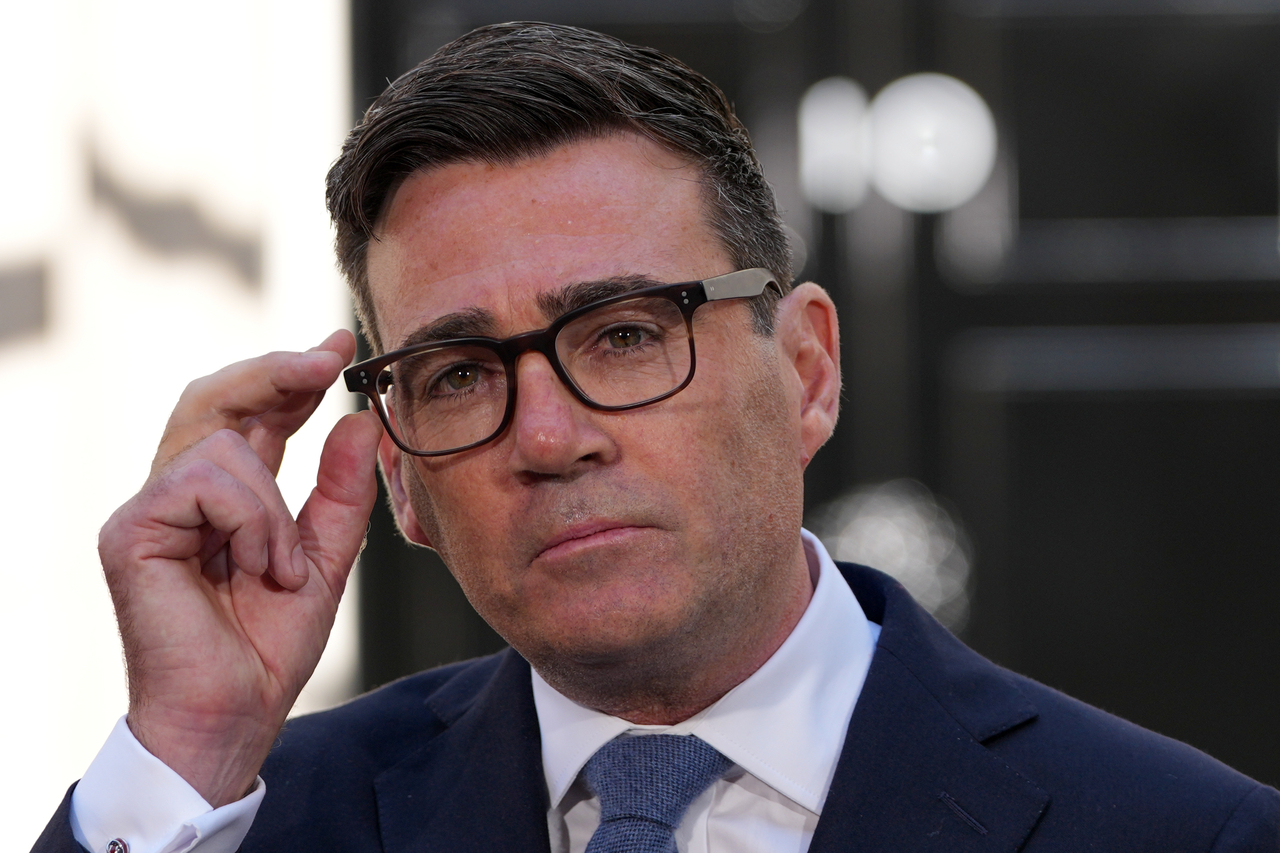
- Core Development: Prime Minister Andy Burnham has begun his term with a sweeping cabinet reshuffle and an immediate policy shift to scrap VAT on household electricity.
- Beat Context: Categorized under News with independent corroboration.
- Reporting Depth: 4 minute analytical read synthesized from verified newsroom sources.
Britain entered a new political era on 20 July 2026 when Labour leader Andy Burnham was sworn in as the country’s 59th prime minister. In a brief address outside 10 Downing Street he declared his premiership a “circuit breaker”, promising the largest overhaul of Britain’s political and economic structures in four decades. The promise comes at a moment of soaring borrowing costs and public frustration with cost‑of‑living pressures, giving Burnham an immediate test of credibility.
After the traditional “kissing‑hands” ceremony with King Charles III at Buckingham Palace, Burnham spoke without notes, a gesture meant to signal a break from “point‑scoring” politics. He told the nation that “the public is fed up with politics” and pledged to “show the world that Britain can find its stability again”. The first concrete policy move was an announcement that VAT on household electricity would be scrapped from 1 October, cutting the rate from 5 % to 0 % – a measure he said would be funded by ending the previous government’s digital‑ID scheme.
Media additions

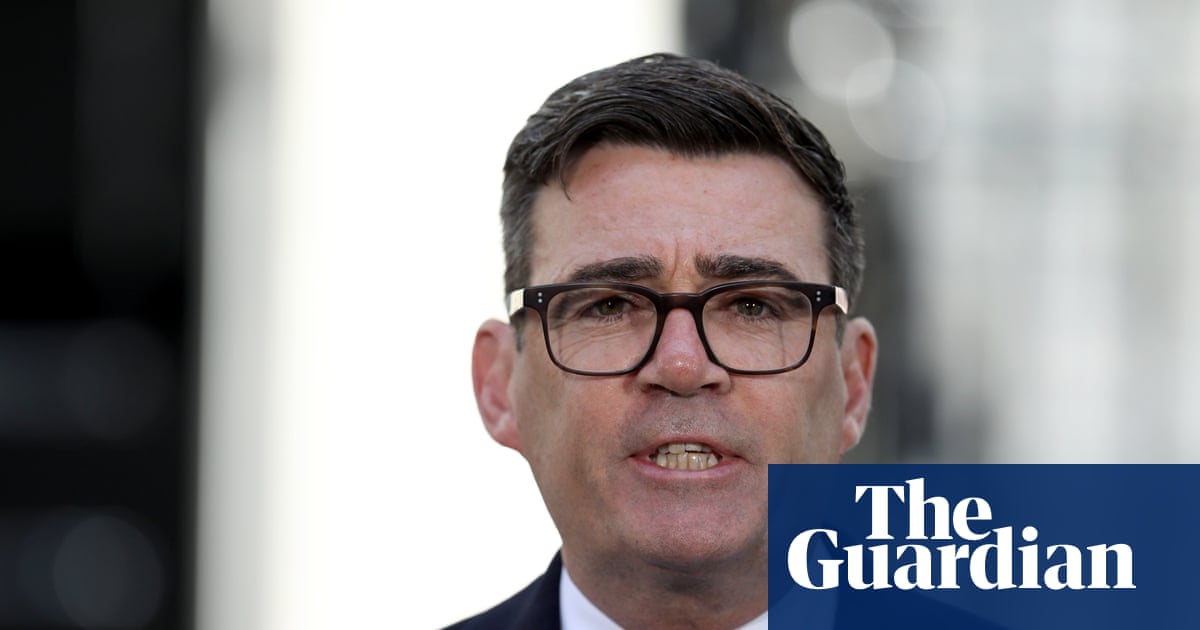
“We will build a new political and economic model,” Burnham said.
Andy Burnham, Prime Minister, via Biz
Burnham’s vision centres on three pillars: devolution of power to local communities, public‑sector‑led reindustrialisation, and stronger public control of essential services. He earmarked a 10‑year national plan to be published before the end of the year, aiming to outline routes for housing, education, mental‑health policy and youth support.
Cabinet reshuffle signals a shift
The new prime minister’s first cabinet meeting revealed a sweeping personnel overhaul. Former defence secretary John Healey was appointed chancellor of the exchequer, replacing Rachel Reeves, while Ed Miliband took the foreign‑secretary brief. Shabana Mahmood remained home secretary, and Louise Haigh was named first secretary of state, chancellor of the Duchy of Lancaster and minister for the cabinet office – a role the prime minister described as the “political engine room”.
Angela Rayner returned to the housing, communities and local government brief after resigning from the deputy‑prime‑minister post a year earlier. Yvette Cooper moved from foreign affairs to health, overseeing what Burnburn called a “fullly funded” overhaul of the social‑care system. Other notable departures included former deputy prime minister David Lammy and housing secretary Steve Reed, both of whom expressed disappointment at being removed from government.
The appointments have been interpreted as a move to curb the influence of Starmer loyalists while inserting figures seen as “safe pair of hands” on the economic front. The Guardian notes that Healey’s background as a former treasury minister under Gordon Brown is intended to blend fiscal prudence with the ambition to “borrow billions more” for infrastructure within existing fiscal rules.
Immediate policy actions
- VAT on household electricity eliminated (5 % to 0 %) effective 1 October – funded by dropping the digital‑ID scheme.
- Cost‑of‑living “breathing space” set to be announced on 21 July, with further energy‑bill and bus‑fare cuts expected.
- Commitment to end rough sleeping as an inaugural instruction, following a visit to homeless people in central London.
- Potential future reforms include raising the tax‑free personal allowance and reconsidering the 50p top income‑tax rate.
Teacher unions welcomed Burnham’s pledge to “invest in people’s success” from childhood, urging faster investment in schools and vocational routes. The National Association of Head Teachers’ general secretary Paul Whiteman said the prime minister’s focus on vocational training could broaden post‑16 options beyond university.
International dimension
Within hours of taking office Burnham phoned US President Donald Trump, extending an invitation to visit Manchester ahead of the G20 summit that the UK will chair next year. Trump later suggested the conversation was “very good” and hinted at a future meeting. Burnham also spoke with Ukrainian President Volodymyr Zelenskyy, reaffirming support for Ukraine and security cooperation, and exchanged greetings with EU chief Ursula von Der Leeyen.
World leaders quickly offered congratulations. Canada’s prime minister Mark Carney, Australia’s Anthony Albanese and France’s Emmanuel Macron each issued statements highlighting the “shared history” and “deep ties” with the United Kingdom.
Market reaction and fiscal outlook
Despite Burnham’s optimistic rhetoric, financial markets reacted cautiously. The Guardian reported that 10‑year gilt prices fell after his comments about borrowing more within fiscal rules, reflecting investor concern over higher debt levels even as Healey’s appointment was welcomed as a stabilising factor.
Burnham insisted that any extra borrowing would stay within “the existing fiscal rules” and emphasized his “very prudent” approach, echoing his record of fiscal caution in previous ministerial roles.
Timeline of key events on Burnham’s first day
| Time | Event |
|---|---|
| 09:00 | King Charles III invites Burnham to form a government at Buckingham Palace. |
| 10:30 | Burnham delivers inaugural address outside 10 Downing Street, declaring a “circuit breaker”. |
| 12:00 | Phone call with US President Donald Trump, invitation to Manchester. |
| 13:30 | Phone call with Ukrainian President Volodymyr Zelenskyy. |
| 15:00 | First cabinet meeting; John Healey appointed chancellor, other ministerial changes announced. |
| 17:00 | Announcement that VAT on electricity will be removed from 1 October. |
| 19:00 | Outgoing Prime Minister Keir Starmer submits resignation to the King. |
How significant is this development?
Contribute your assessment to the aggregated reader sentiment ledger.
Frequently Asked Questions
Key questions answered in this reportWhat is the key development in: Andy Burnham sworn in as UK PM, pledges new political and economic model?
Prime Minister Andy Burnham has begun his term with a sweeping cabinet reshuffle and an immediate policy shift to scrap VAT on household electricity.
Why is this News development significant for the UK?
This report covers critical events in our News beat. Independent reporting monitors related UK statements, regulatory shifts, and public responses as further verified details emerge.
How was this reporting corroborated and verified?
Newsarchy UK compiles and cross-references reporting from primary reporting from theguardian.com and cross-checked wire reports. All coverage adheres to published editorial standards.
When was this report published?
This briefing was published on July 21, 2026 and is permanently cataloged in the Newsarchy UK News archives.


