Key takeaways from BBC interview as Earl Spencer defends claims about King
Earl Spencer has reignited tensions with Buckingham Palace in a BBC interview, claiming King Charles made a callous remark about Princess Diana after her death.

- Core Development: Earl Spencer has reignited tensions with Buckingham Palace in a BBC interview, claiming King Charles made a callous remark about Princess Diana after her death.
- Beat Context: Categorized under News with independent corroboration.
- Reporting Depth: 4 minute analytical read synthesized from verified newsroom sources.
Earl Spencer used a television interview with the BBC to air explosive allegations against King Charles ahead of the release of his memoir, Swan Song, according to reporting from Yahoo. Conducted by Laura Kuenssberg at the Althorp estate, the broadcast revisited the tragic events surrounding the death of Princess Diana and reignited intense scrutiny over royal protocols, family dynamics, and historical media treatment.
During the sit-down conversation, Earl Spencer detailed the harrowing night of 31 August 1997 when Princess Diana died in a Paris car crash alongside Dodi Fayed and their driver. Staying in South Africa at the time, he received an initial call from his sister, Lady Jane Fellowes, who indicated Diana had been in an accident that was not too serious. Subsequent calls conveyed rapidly escalating gravity.
Media additions

"And then my sister Jane said, 'I'm afraid she's died.' It started... as a little prang, and then it became a broken leg, perhaps a head injury, and then death."
Earl Spencer, via Yahoo
Shortly after learning of her death, Earl Spencer received a telephone call at his Cape Town home from then-Prince Charles. The monarch recounted breaking the news to Princes William and Harry at Balmoral Castle. According to Earl Spencer, the tone of the conversation jarred with him profoundly.
"I'd had a lot of calls that day from people who cared, who were stunned... and I just felt there was a lightness in his tone about Diana's death that really jarred with me,"
Earl Spencer, via Yahoo
The memoir compares that perceived lightness to a lottery winner, with the author assuming the reaction stemmed from how the tragedy would free the prince to marry Queen Camilla. When questioned about whether he could verify that motivation, Earl Spencer clarified that he could not be certain and was merely offering an assumption based on tone.
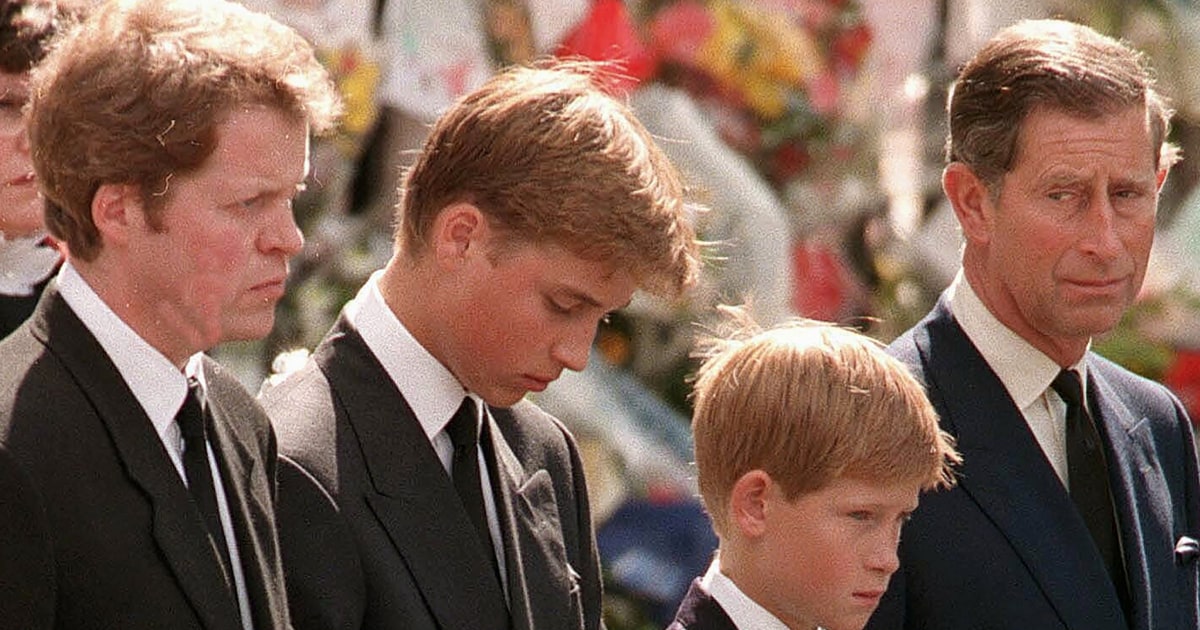
The conversation soon turned to the funeral arrangements for Princess Diana and the contentious decision regarding whether Princes William and Harry should walk behind the coffin. Earl Spencer stated he had objected to a palace official before receiving a call from Prince Charles. According to the author, the discussion escalated into a heated argument.
"I said, 'Well, of course not, sir, she wouldn't want it'. And then he said, 'Well, I walked behind Lord Mountbatten's coffin.' And I said, 'Yes, but you were 30 and he wasn't your mother'."
Earl Spencer, via Yahoo
Earl Spencer claimed that Charles grew angry, ranted about the family's sense of duty, and made a remark about forgetting Diana soon afterward, prompting the author to hang up in a state of shock. Insisting on his memory of the event, Earl Spencer noted that he had only ever spoken to the prince twice on the telephone in his entire life and remained hyper-alert to the words used.
Buckingham Palace issued a strongly worded rebuttal addressing the claims. According to Yahoo, the Palace stated that the King was mindful of how the pain of fraternal grief can cloud reason, affect judgment, and colour memory years after such a loss.
In response to the Palace's pushback, Earl Spencer maintained complete certainty regarding the exact words spoken and noted that he had shared the account with close friends and family members at the time.
Reflecting on his broader motivations for publishing the book, Earl Spencer described the project as a duty as an eyewitness to history. Noting his age and the loss of his parents in their sixties, he explained his awareness of mortality.
"I'm aware of mortality and I wanted to just put things down once and for all that were true,"
Earl Spencer, via Yahoo
When Kuenssberg pointed out that certain disclosures in the memoir could be perceived as a threat involving damaging material, Earl Spencer rejected the characterization.
"No, not at all a threat, it's just the reality."
Earl Spencer, via Yahoo
Discussions additionally drifted toward contemporary royal security, with Earl Spencer expressing personal concern that Prince Harry lacks police protection despite serving in the military and residing full-time in the UK with his family. According to Yahoo, the Royal and VIP security committee, known as RAVEC, is understood to be reconsidering protective arrangements for the Duke and Duchess of Sussex.
On the wider media climate, Earl Spencer compared modern tabloid reporting surrounding Prince Harry and Meghan to the cancerous influence that hounded Princess Diana. He voiced hope that Princes William and Harry would eventually resolve their differences, emphasizing that he remains neutral and supports both of his nephews equally.
How significant is this development?
Contribute your assessment to the aggregated reader sentiment ledger.
Frequently Asked Questions
Key questions answered in this reportWhat is the key development in: Key takeaways from BBC interview as Earl Spencer defends claims about King?
Earl Spencer has reignited tensions with Buckingham Palace in a BBC interview, claiming King Charles made a callous remark about Princess Diana after her death.
Why is this News development significant for the UK?
This report covers critical events in our News beat. Independent reporting monitors related UK statements, regulatory shifts, and public responses as further verified details emerge.
How was this reporting corroborated and verified?
Newsarchy UK compiles and cross-references reporting from primary reporting from ca.news.yahoo.com and cross-checked wire reports. All coverage adheres to published editorial standards.
When was this report published?
This briefing was published on September 21, 2026 and is permanently cataloged in the Newsarchy UK News archives.