Gaurav Gogoi slams paper leak bill amendments as eyewash in Lok Sabha
Congress MP Gaurav Gogoi slammed the proposed anti-paper leak bill amendments as an eyewash in the Lok Sabha, arguing that the legislation fails to address systemic exam failures.
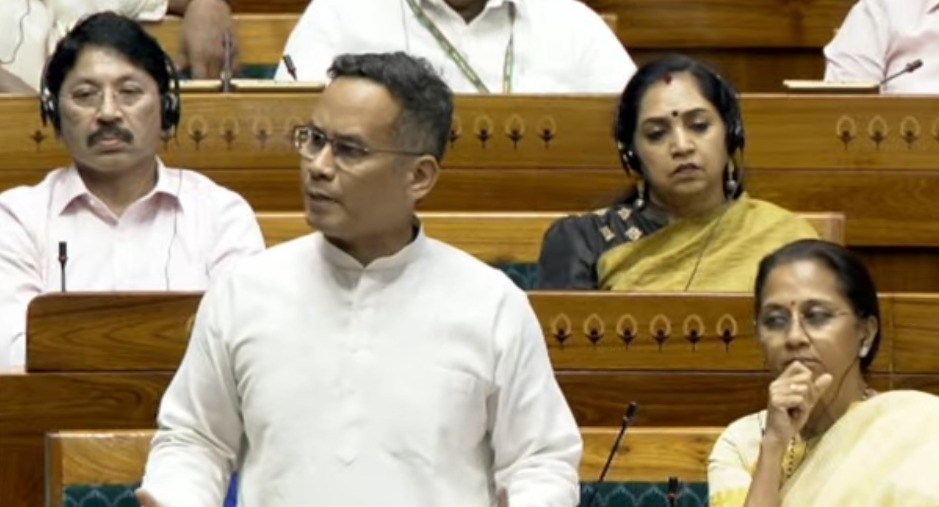
- Core Development: Congress MP Gaurav Gogoi slammed the proposed anti-paper leak bill amendments as an eyewash in the Lok Sabha, arguing that the legislation fails to address systemic exam failures.
- Beat Context: Categorized under News with independent corroboration.
- Reporting Depth: 3 minute analytical read synthesized from verified newsroom sources.
Parliamentary proceedings turned contentious as legislators clashed over proposed legislative changes aimed at curbing examination irregularities. According to reporting from Deccan Chronicle, the Lok Sabha debated the Public Examinations (Prevention of Unfair Means) Amendment Bill, 2026 on Tuesday, which proposes stricter punishment for paper leaks, including up to 10 years' imprisonment and a Rs 50 lakh fine.
Union Minister Jitendra Singh introduced the Bill, asserting that it strengthens the 2024 law and reaffirms the government's commitment to safeguarding the integrity of public examinations. Opposition members fiercely contested this narrative, characterizing the legislative push as an ineffective measure against deep-seated institutional failures.
Media additions
Leading the Opposition's charge in the Lok Sabha, Congress MP Gaurav Gogoi termed the proposed amendments an eyewash
and questioned the seriousness and intent of the government in punishing culprits, as detailed by Morung Express. Gogoi recalled that the original legislation cleared two years prior had failed to act as a deterrent against paper leaks, despite executive claims at the time that it was a historic step. He pointed out that major paper leak incidents were reported again, asking how such large-scale irregularities could occur within just two years if the original law were truly effective.
The debate extended far beyond the text of the new Bill, touching on broader concerns regarding student welfare, police action, and systemic accountability. Congress MP Priyanka Gandhi stated that protesting students had demanded education reforms, action against the alleged paper leak mafia, the resignation of the minister concerned, and accountability for alleged police excesses. Gandhi claimed that repeated paper leaks had affected 7.5 crore students over the past decade, highlighting the severe emotional and financial burden placed on families.
Trinamool Congress MP Abhishek Banerjee also supported the legislation while delivering a sharp critique of the administration. Banerjee described the new Bill as an admission
of the NDA government's failure to protect examinations, students, and merit. He argued that stronger laws alone could not restore public trust while systemic failures persisted, asserting that the proposed legislation could not wash away 12 years of incompetence and failure.
Banerjee further claimed that students had experienced an Anxiety Kaal
instead of the promised Amrit Kaal.
Other opposition voices joined the chorus of criticism. Samajwadi Party MP Akhilesh Yadav criticised the Centre's handling of examination issues, noting that this was the first student agitation to receive active support from parents. Yadav also targeted the ruling party with pointed political remarks during the proceedings. Meanwhile, DMK MP Dayanidhi Maran raised privacy concerns in the Lok Sabha, questioning why student protesters were monitored by police using Meta glasses.
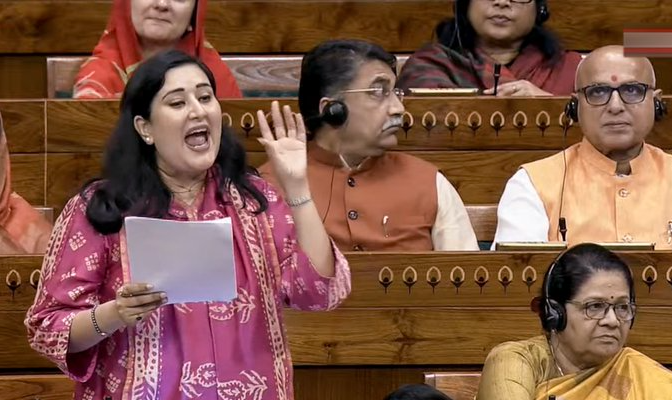
The ruling coalition strongly rejected the opposition's framing of the crisis. BJP MP Bansuri Swaraj accused the opposition of displaying selective outrage
over examination paper leaks. Swaraj asserted that paper leaks had also occurred during past administrations and emphasized that the current government had undertaken structural reforms alongside stronger legislation to enhance examination security.
Debate surrounding the National Testing Agency formed a central pillar of Gogoi's parliamentary critique. The Congress MP questioned recent personnel changes within the organization, asking for complete transparency regarding the replacement of 47 individuals when the sanctioned capacity of the agency is listed as a different figure. Gogoi also questioned why the NTA Chairman remained in his position despite historical controversies surrounding public service institutions in Madhya Pradesh and Chhattisgarh.
Key Issues Raised During the Lok Sabha Debate
- Legislative Proposls: The 2026 amendment introduces up to 10 years' imprisonment and a Rs 50 lakh fine for paper leak offenses.
- Opposition Criticisms: Leaders from Congress, TMC, and SP called the Bill an eyewash, pointing to ongoing leaks and bail rates among accused individuals.
- Government Defense: The BJP maintained that the opposition engaged in selective outrage and highlighted structural reforms implemented by the administration.
- Collateral Controversies: Discussions also encompassed police monitoring of student demonstrators, NTA personnel restructuring, and protests occurring outside parliamentary grounds.
Parallel to the Lok Sabha debates, related political fallout rippled through other legislative chambers and public spaces. The Rajya Sabha witnessed repeated disruptions over alleged police action against student protesters.
As deliberations on the anti-paper leak amendments continue across parliamentary committees and chambers, readers can follow ongoing updates via News coverage and further legislative tracking at Parliament begins debate on anti-paper leak amendment bill.
How significant is this development?
Contribute your assessment to the aggregated reader sentiment ledger.
Frequently Asked Questions
Key questions answered in this reportWhat is the key development in: Gaurav Gogoi slams paper leak bill amendments as eyewash in Lok Sabha?
Congress MP Gaurav Gogoi slammed the proposed anti-paper leak bill amendments as an eyewash in the Lok Sabha, arguing that the legislation fails to address systemic exam failures.
Why is this News development significant for the UK?
This report covers critical events in our News beat. Independent reporting monitors related UK statements, regulatory shifts, and public responses as further verified details emerge.
How was this reporting corroborated and verified?
Newsarchy UK compiles and cross-references reporting from primary reporting from morungexpress.com and cross-checked wire reports. All coverage adheres to published editorial standards.
When was this report published?
This briefing was published on July 28, 2026 and is permanently cataloged in the Newsarchy UK News archives.